Show summary Hide summary
Cabinet has authorised the next phase of Dublin’s long-planned MetroLink, clearing the way for the project to move into the formal tender stage. The rail line’s price tag has risen to between €14.5 billion and €17.5 billion, making it one of the State’s most costly infrastructure commitments.
Route and scope
The scheme covers an approximately 19km corridor — the detailed plans describe an 18.8km line running from Swords to Charlemont. Trains will serve Dublin Airport and travel through neighbourhoods including Ballymun, Glasnevin and the area around the Mater Hospital.
What a Sauna Aufguss Felt Like: a steamy wellness ritual with partial nudity
Top Irish fine-dining venue named at Georgina Campbell Awards 2026
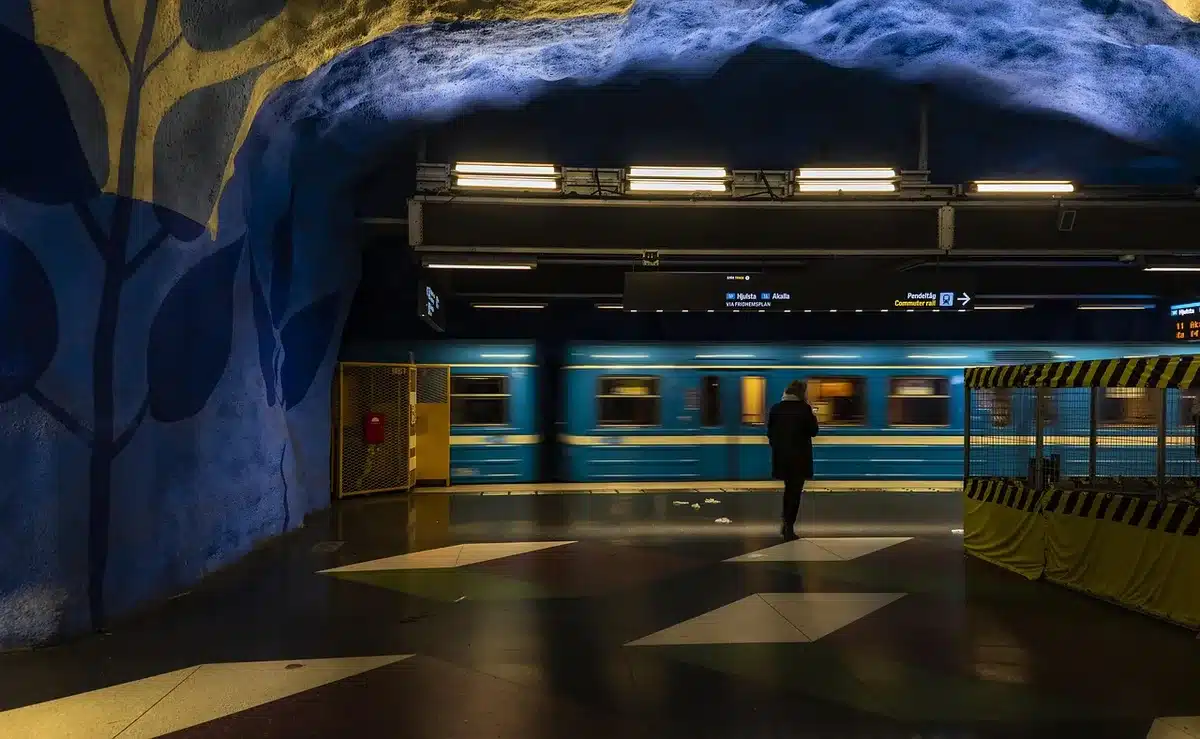
The route continues into the city centre, calling at O’Connell Street, Tara Street and St Stephen’s Green. Most of the alignment is planned to be underground, with a total of 16 stations proposed.
How it will be delivered
Instead of a single contract, MetroLink will be offered to the market as three separate tender packages. Companies and consortiums will be invited to bid for those contracts as the procurement phase begins.

Officials say the phased tendering aims to break the programme into manageable components and widen competition among bidders.
Minister’s response to cost concerns
Transport Minister Darragh O’Brien sought to reassure the public that lessons from other projects have informed the MetroLink approach. He cited past high-profile overruns and said the project team will avoid repeating those mistakes.
“I fully get, because of previous experience with some projects, and you mentioned one in particular where there have been significant overruns, that’s not the space that we’re going to be in,” he said, referring to public concerns such as those linked to the National Children’s Hospital.
Public scepticism and next steps
Mr O’Brien acknowledged a degree of scepticism about whether MetroLink would ever proceed. He addressed that directly: “Of course I would have got over the last few years, you know, guarded cynicism as to whether this project and some of that overt criticism as to whether the project would happen. It is happening.”
The minister also said safeguards will be introduced as the tender process advances, and argued the long-term benefits of the line will justify the estimated cost.
He hopes construction can begin next year, once procurement and contracting stages advance. The project now shifts from planning into the commercial phase as Ireland prepares for one of its largest public transport investments.