Show summary Hide summary
When I handed my phone into a wooden box at Lisnavagh House, I expected mild inconvenience. What followed was a weekend that quietly tested how much of our attention is habit, and how quickly it can be reclaimed.
A country house that lives like a home
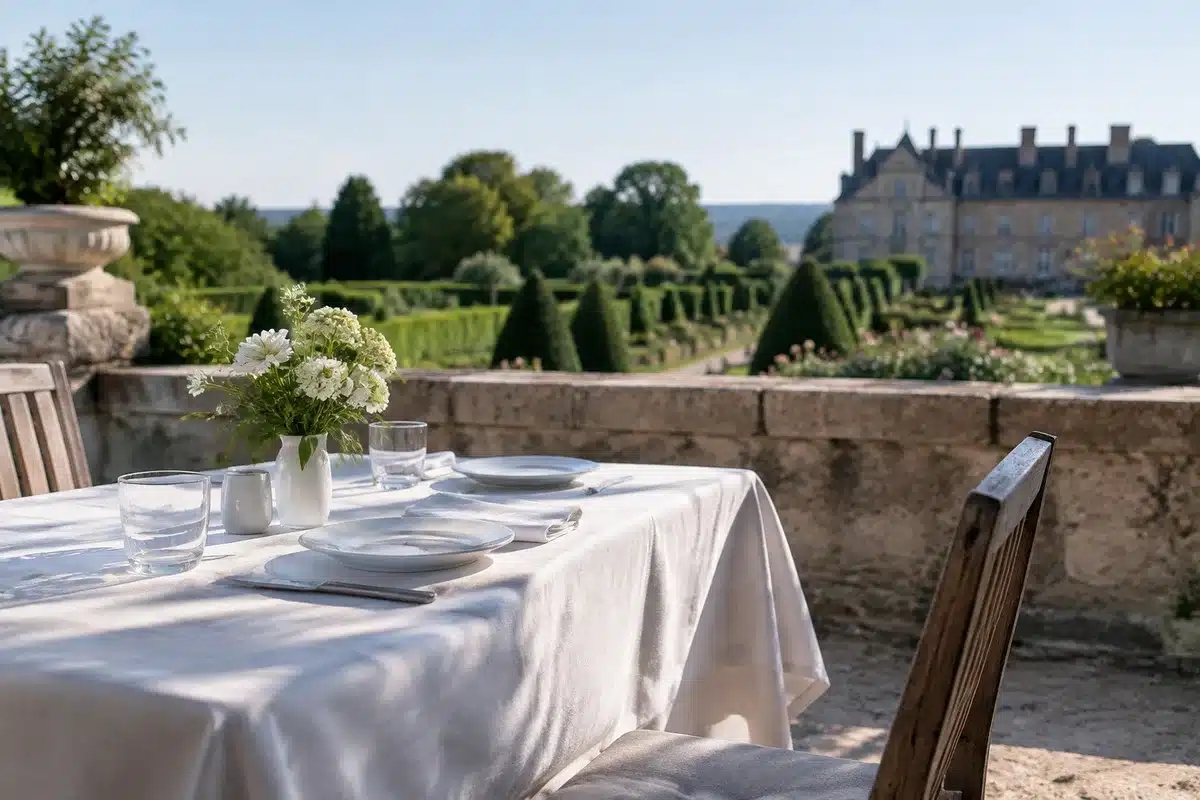
Lisnavagh House sits on a 600-acre estate in Rathvilly, County Carlow, and belongs to the McClintock Bunbury family. Portraits, antiques and long shelves of old books give the main house a strong sense of history, yet the atmosphere is unexpectedly informal — more like staying with relatives than checking into a hotel.
Finding stillness: yoga at Lisnavagh House in Carlow
New owners say Fallon & Byrne is set for an exciting new chapter

On arrival I met Alfie and his wife, Ollie. They first came to Lisnavagh as WWOOFers five years ago and stayed on to work the estate. Alfie, who described himself as Argentinian with Irish roots stretching back four centuries, was delighted to learn his mother shares my name.
I was given the Butterfly Suite: a roomy bedroom facing the lawns with plush bedding and an oversized bathroom across the hall. Small, domestic details — a collection of preserved butterflies under glass, a model showing how much of the house was demolished in the 1950s — remind visitors that the property has been continually adapted.
The retreat: gentle yoga, forest bathing and shared meals
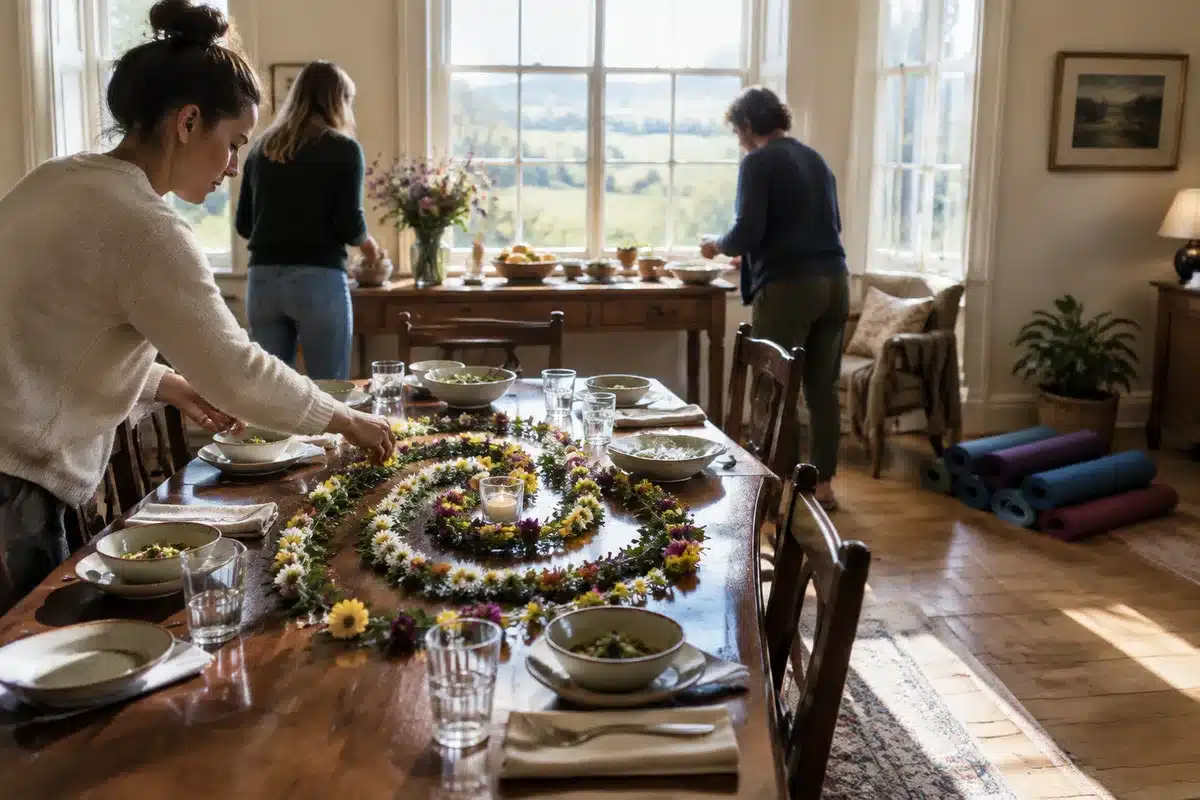
The weekend programme centred on a slow Hatha flow led by Laura Lochab, a Carlow native who trained in Ashtanga in Goa. Classes mixed moving sequences with restorative poses, breathing practices and long periods of guided relaxation. Our mats formed a circle around a spiral of flowers and candles; Nils Frahm played quietly in the background.
We began by introducing ourselves and choosing a card with a short piece of advice. My card quoted Ram Dass: “Be where you are.” Given my phone was locked away, the line felt oddly timely.
Participants numbered 14, ranging from regular yogis to a woman who admitted, “I’m not really into yoga,” yet returns to Lisnavagh for the calm it provides each equinox.
Food was vegetarian and largely inspired by Ottolenghi — warming soups, a Syrian-style stew, bright salads and a homemade apple crumble to finish. Meals were served around a large mahogany table and became an important part of the weekend’s rhythm: slow conversation, shared plates and no hurried exits.
Forest bathing and simple rituals
A large portion of the estate is woodland — roughly a quarter, the hosts said — so the retreat included a guided shinrin-yoku walk. Emily Bunbury explained the idea: slow your pace, notice details and breathe. She also mentioned trees release phytoncides, compounds that some studies link to reduced stress and lower blood pressure, and invited us to observe the woods in silence.
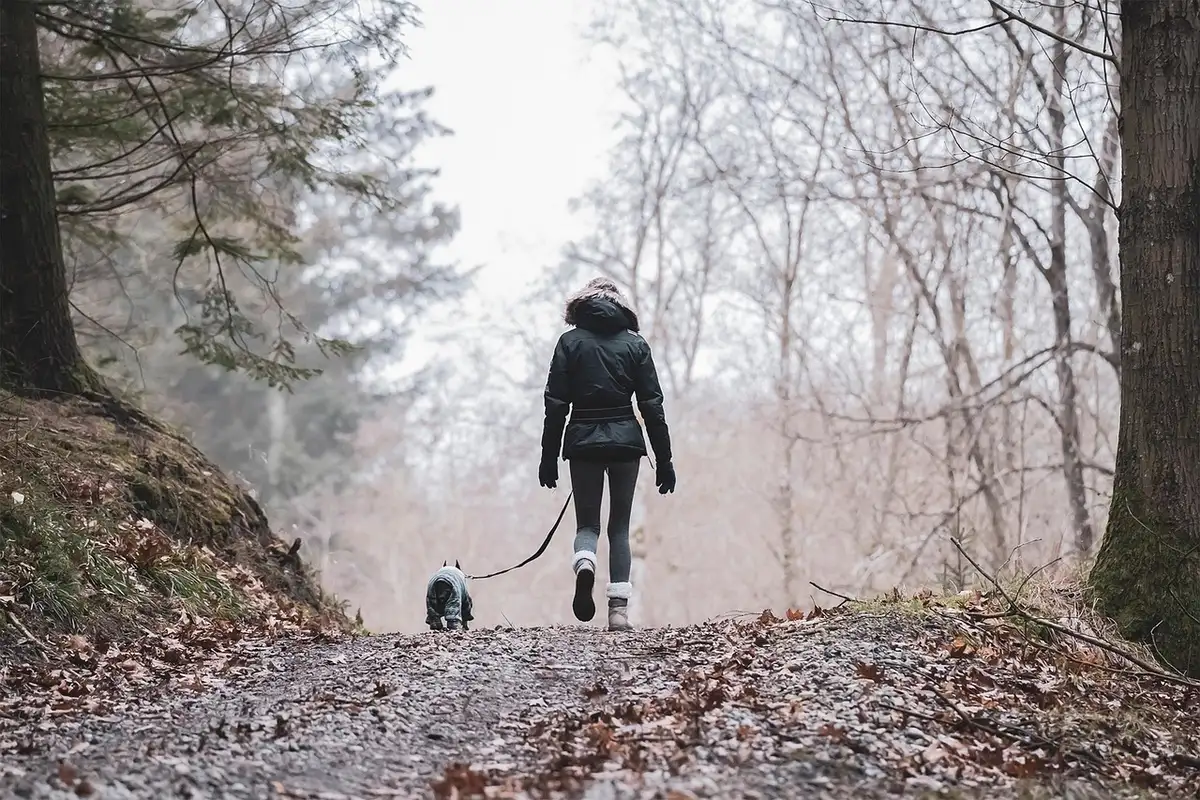
We removed our shoes under a stand of Douglas firs and walked slowly. Away from screens and talk, small things became conspicuous: the damp springing underfoot, shafts of light through the canopy, the smell of wet earth. The silence made it easier to notice.
On another afternoon we gathered beneath an old oak for a cacao ceremony — warm ceremonial cacao, sitting in a circle and offering positive intentions for one another. There was also a wood-fired sauna with a window framing the trees, an unusual place to steam and stare at the estate’s landscape.
Why give up your phone?
Before the retreat I had resisted surrendering my device. I told myself I needed it for notes, photographs and podcasts. At Lisnavagh, staff offered a simple alternative: hand the phone in at arrival and let the house keep it safe. “You’re the first person to do this,” Emily told me when I handed mine over.
With the phone out of reach, the estate’s pace shaped my days. Gentle exercise, communal meals and unhurried walks filled time that would normally be sprinkled with notifications. When I finally retrieved the device, the wave of WhatsApp messages and alerts was a sharp reminder of the constant background noise most of us carry.
Running a large estate today
Keeping Lisnavagh viable has involved broadening its uses. Weddings remain a key income source, but the house now hosts yoga retreats, festivals such as Hidden Hearth and Féile Vegan, and offers guest rooms converted from former stables. The estate’s organic walled garden supplies the kitchen and a farm shop that serves the local community.
Emily and her husband, William McClintock Bunbury, together with their three children, live on the estate and are involved in daily operations. During my stay Emily and her daughter Poppy were preparing meals while William helped oversee the grounds. The family’s hands-on approach is part of how Lisnavagh keeps functioning across generations.
By the end of my stay I felt restored and oddly protective of the slower pace. The weekend did not require dramatic revelations — only a reminder that attention, like the estate’s gardens, benefits from careful tending.
Note: The writer was a guest of Lisnavagh House. The views expressed are personal and do not represent RTÉ.