Show summary Hide summary
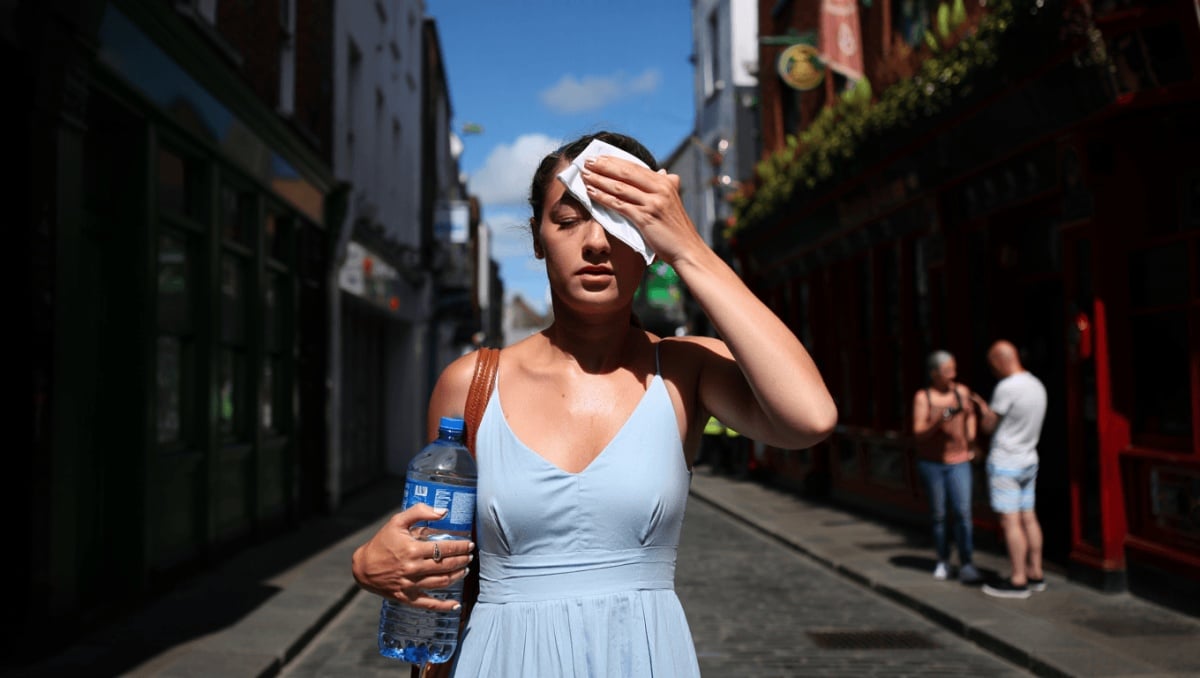
Thousands of people across Ireland have been told to take extra precautions as a heatwave pushes temperatures above 30°C in what Met Éireann calls the hottest spell of the year so far. Health officials say the conditions pose particular risks for anyone on heart or blood-pressure medication.
Who faces greater danger in the heat
Medical advisers warn that people treated for high blood pressure, circulation problems or heart disease are especially vulnerable during prolonged hot weather. When temperatures climb, the body works harder to cool itself, which can aggravate existing cardiovascular conditions.
Pharmacists point to specific medicines such as beta blockers and diuretics. These drugs can change how the body regulates temperature and fluid balance, increasing the chance of dehydration, dizziness or fainting.
Those with angina or heart failure should be particularly cautious. Patients using GTN sprays are reminded heat can make sudden drops in blood pressure—and fainting—more likely.
Practical steps to reduce risk
Simple measures can make a real difference. Drink water regularly, limit time in direct sunlight and rest in cool or shaded locations during the hottest hours.
People taking blood pressure medicines are advised to monitor their symptoms and blood pressure more often while the warm spell continues. If medication or symptoms become difficult to manage, consult a GP for personalised advice.
Recognise warning signs and act promptly
Health services stress that heat-related illness can escalate quickly. Early signs of heat exhaustion include headaches, dizziness, intense thirst, nausea, muscle cramps and heavy sweating. A temperature above 38°C is also a warning sign.
- Confusion or disorientation
- Severe fatigue or weakness
- Rapid or irregular heartbeat
- Nausea or vomiting
- Excessive sweating or a lack of sweating
- Swelling of the arms or legs
If someone shows signs of heatstroke—a medical emergency—seek immediate medical attention. Heatstroke can be life-threatening if not treated without delay.
With temperatures expected to run well above normal for Ireland, staying cool, hydrated and alert to symptoms will be essential in the coming days.