Show summary Hide summary
More and more people are planning trips around meals, turning quiet villages and farm roads into purposeful destinations. Recent research suggests dining now makes up about a third of tourism spending in Ireland, and seven in ten potential overseas visitors say food influences where they travel.
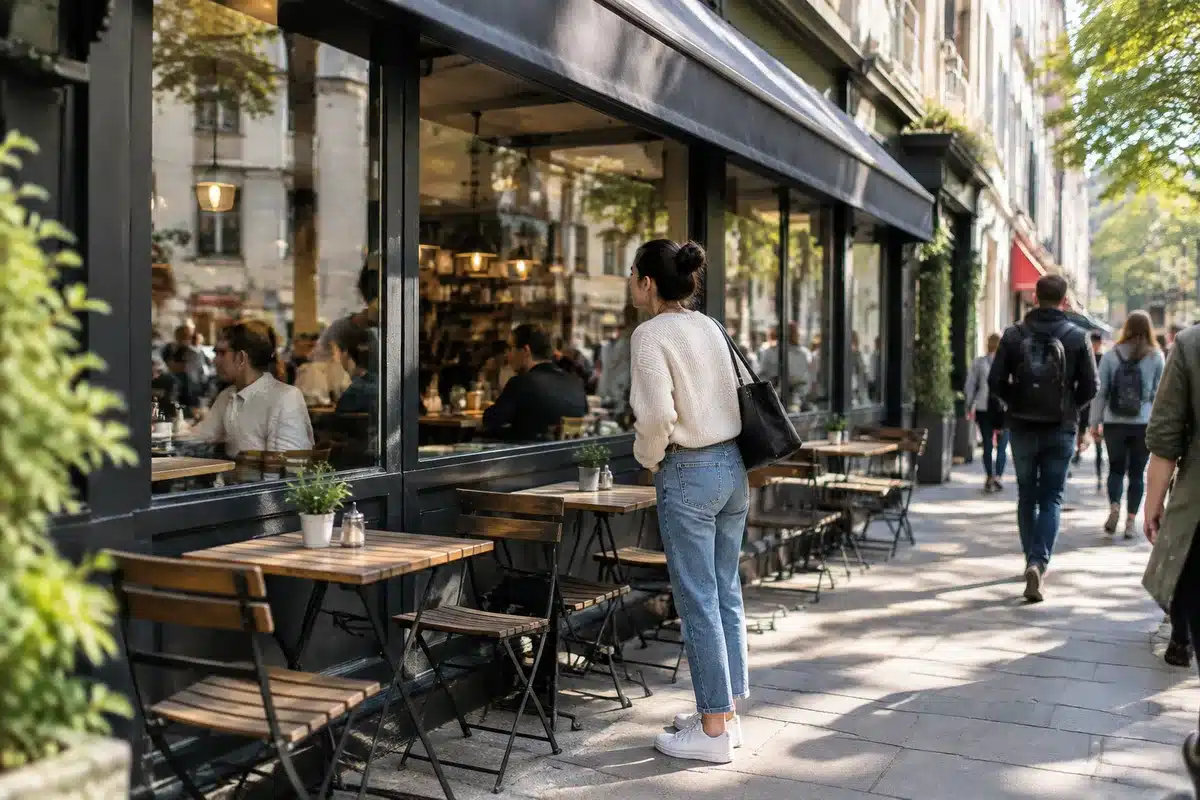
Rural cafés drawing intentional visitors
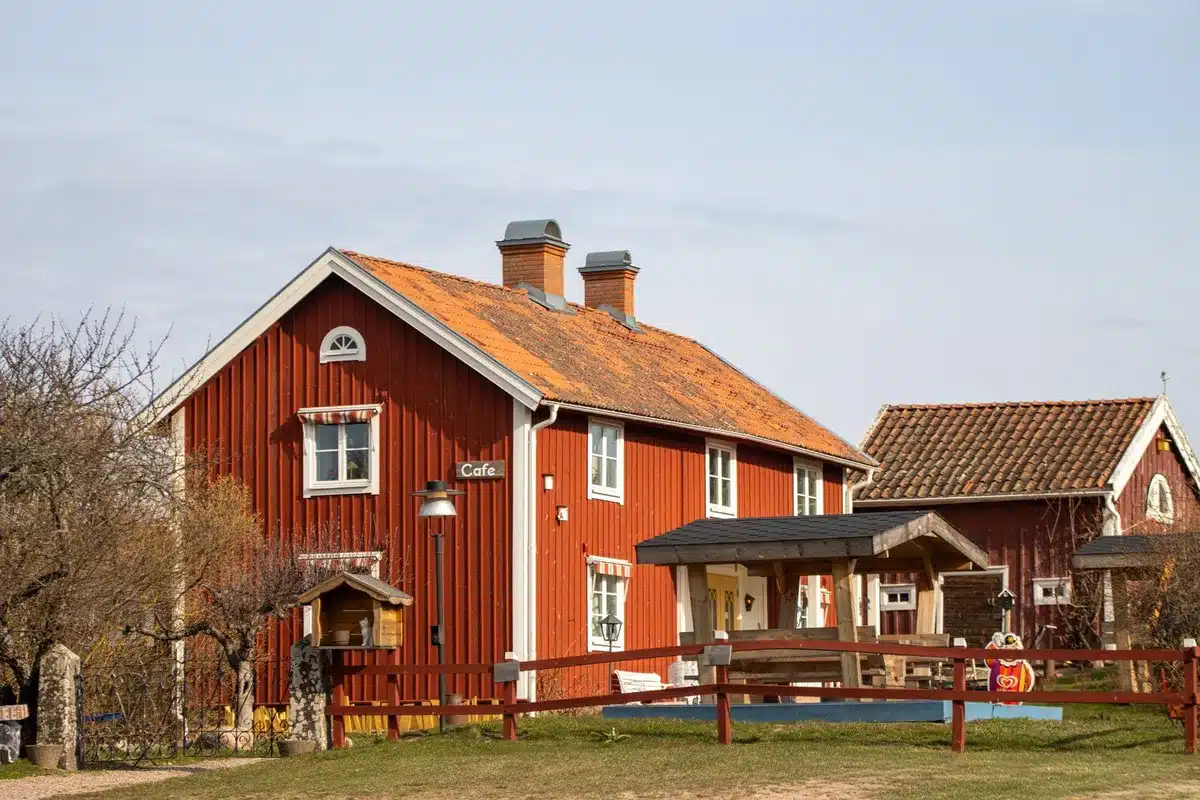
What used to be incidental has become central: for many travellers, the food is the reason for the journey. On a recent trip my partner and I drove an hour to the village of Grangecon, on the Wicklow–Kildare border, because of a café we’d read about online. Pulling into the car park, a local asked with a smile, “Are you here for the café?”—a clear sign we were not alone in making the pilgrimage.
City-centre eatery in Dublin to close after 40 years, owner says it breaks their heart
Road Safety Authority justifies €1.5m outlay on breathalysers for Irish pubs
Grangecon Kitchen opened in 2019 as a passion project by Stephanie Myerscough and Laura McEvoy. Since then it has expanded into a bakery, café and deli known for scratch cooking and seasonal dishes made with local suppliers. Over plates of Turkish eggs and a Reuben sandwich, the room filled with accents from across Ireland—evidence that a small, well-executed food business can draw people well beyond its postcode.
Intention and word of mouth
Some rural venues have built reputations that travel. La Cocina Cuevas, tucked down a country lane in the Naul, combines Californian–Mexican flavours with Irish ingredients. Chef-owner Jeremy Cuevas says at least half his weekly guests come from around Dublin, including a family who make the trip from Rathgar every week, while many others travel from Meath, Louth, Kildare and the north of the country thanks to the restaurant’s proximity to the M1.
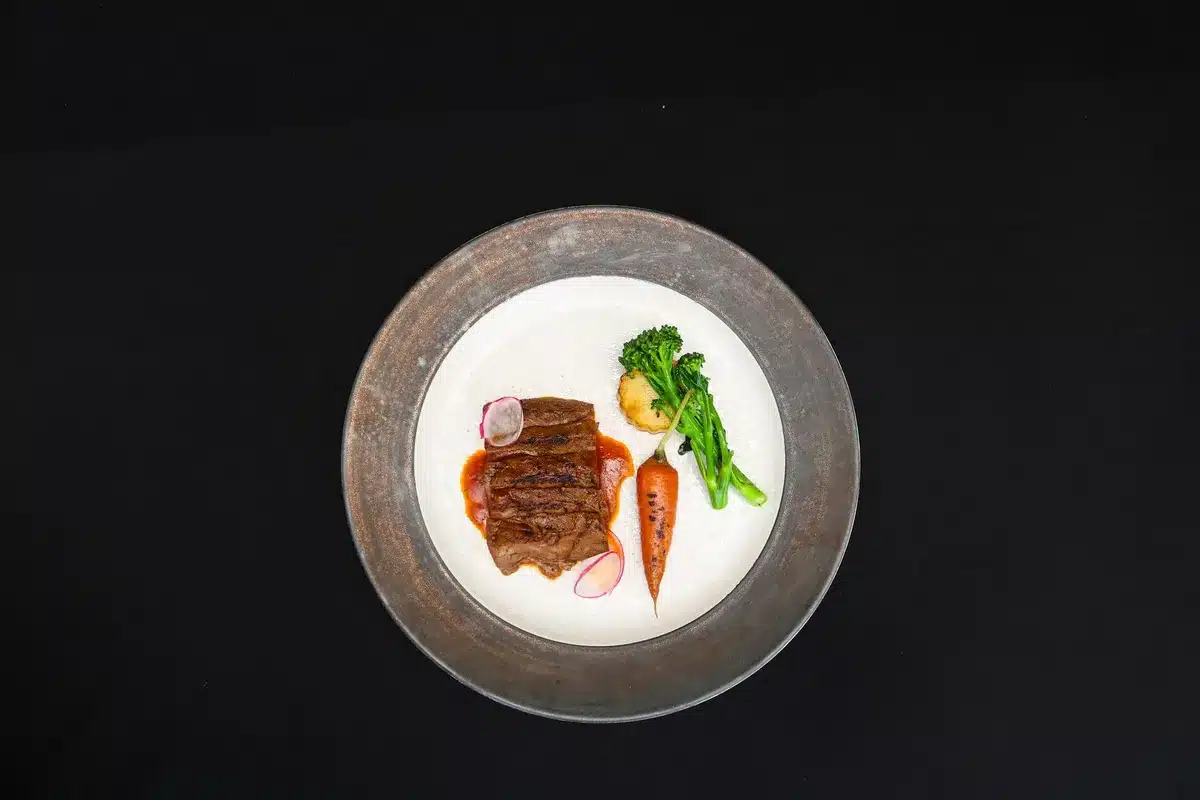
“Social media has absolutely changed rural dining in Ireland,” Jeremy told me, but he also stressed the continued power of recommendations. “Word of mouth is probably the most effective and valuable resource. People trust their friends and peers more than social media still, and if they have tried our place and we have delivered a good experience then they are excited to tell others about it.”
For Jeremy, the appeal is experiential as much as culinary. Driving out to a farm or discovering a café down an old country road gives visitors a direct link to local producers and the people who run these businesses. That connection, he says, is a big part of why diners are willing to travel.
From loaves to local economies
Small-scale producers are shaping footfall in unexpected places. In Borris, Co Carlow, the bakery Plúr has transformed weekends at a traditional pub into a draw for food-motivated visitors. Owner Séamus attributes the bakery’s following to a clear, place-based offer: grain grown locally, milled locally and baked in the village.
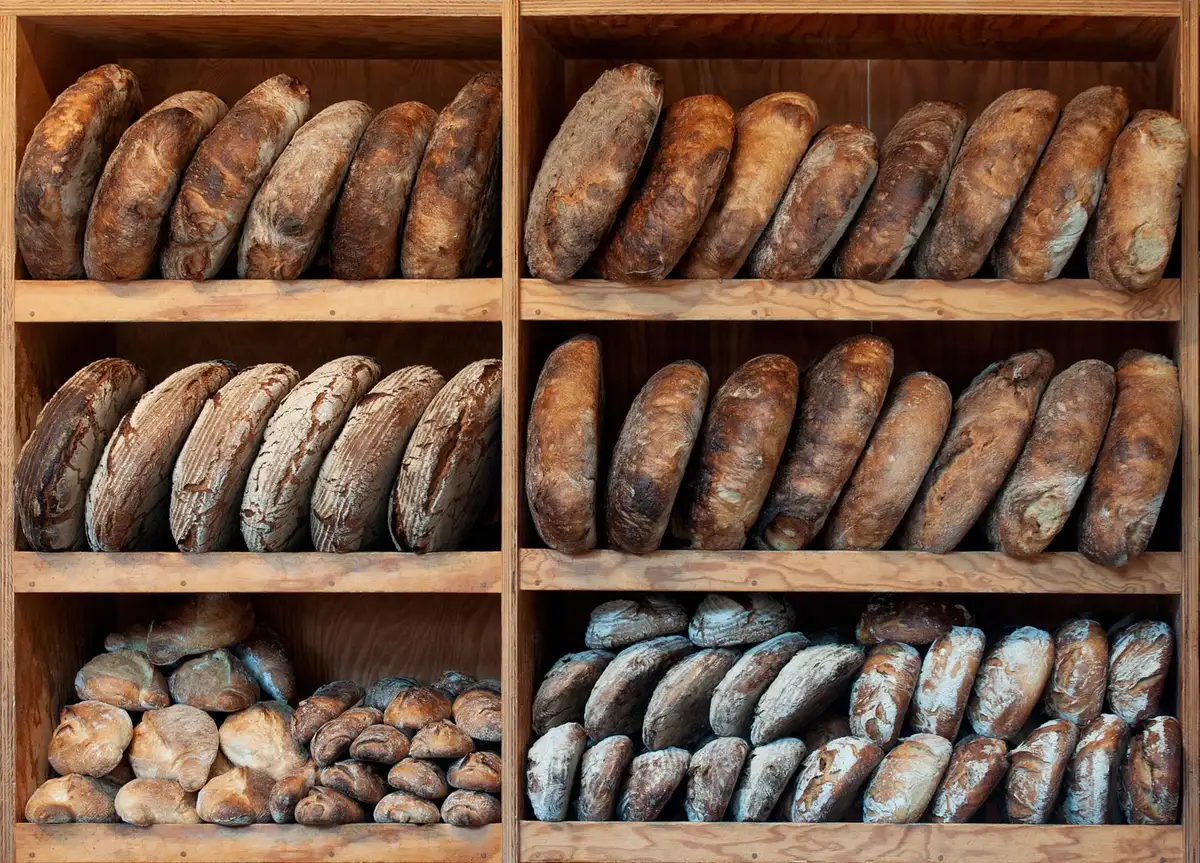
“People respond to that honesty,” he said. “Plúr isn’t separate from the village, it’s part of it. People don’t just come for the bakery, they experience Borris as a whole.”
The payoff extends beyond the oven. Local B&B and pub owners have reported guests who travelled primarily because of the bakery. Those visitors linger, spend locally and become, even briefly, part of the community—an example of how food can feed wider economic and social life in rural areas.
Destination dining at the high end
It’s not only cafés and bakeries attracting travellers. Michelin-starred and fine-dining restaurants in rural locations are also shaping visitor patterns. At The Homestead in County Clare, chef-owner Robbie McCauley says people build weekends or holidays around a meal and often ask for local recommendations on places to stay or things to do.
Robbie also notes a rise in visits outside the summer peak. “We are getting more tourists during the quieter months. Last year we saw a huge number coming to us in February and March,” he said, and local accommodation providers have reported similar increases.
He believes what distinguishes rural dining is the authentic context: the landscape, the local stories and the gatherings in pubs and restaurants that remain rooted in community life. That sense of place, he argues, complements the food and makes a visit feel like an experience rather than just a meal.
Why this matters
Taken together, these examples show a broader shift: food tourism is becoming a deliberate form of travel in Ireland. Social platforms can spark curiosity, but sustained interest rests on quality and authenticity. When cafés, bakeries and restaurants are visibly connected to place—through producers, people and stories—visitors are more likely to plan trips, stay locally and spread the word.
For travellers this means more reason to explore beyond the motorways. For rural communities it represents an opportunity: well-rooted food businesses can become anchors that bring visitors, commerce and new life to places that might otherwise be overlooked.
The views expressed here are those of the author and do not represent or reflect the views of RTÉ.