For anyone who enjoys the scent of mulled wine and the buzz of twinkling lights, European Christmas markets still deliver. Below are six festive towns and cities where local traders, traditional foods and genuine seasonal atmosphere outshine the mass-produced stalls.
Tallinn
Best for: Christmas spirit. Dates: 20 November to 6 January (open on Christmas Day).
New trailer offers first look at Andrew Scott’s Elsinore
Country star Drew Baldridge and Katie’s meet‑cute reads like a rom‑com
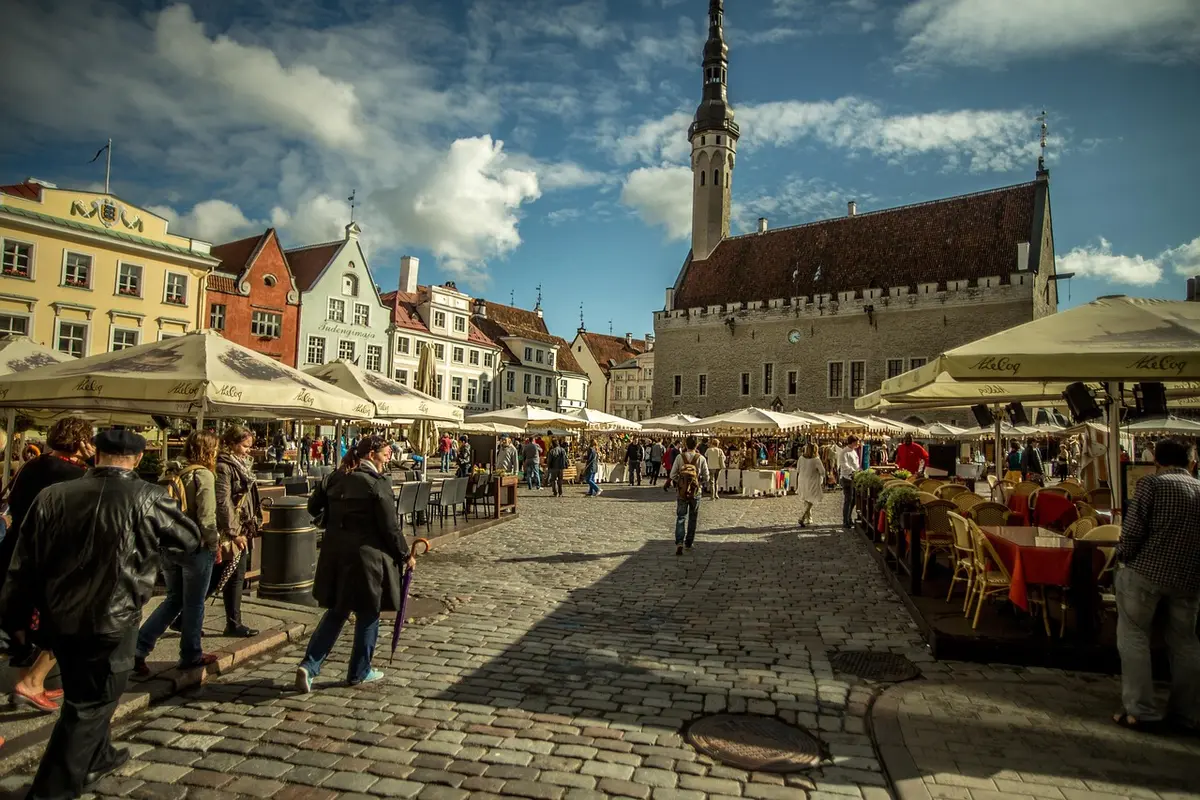
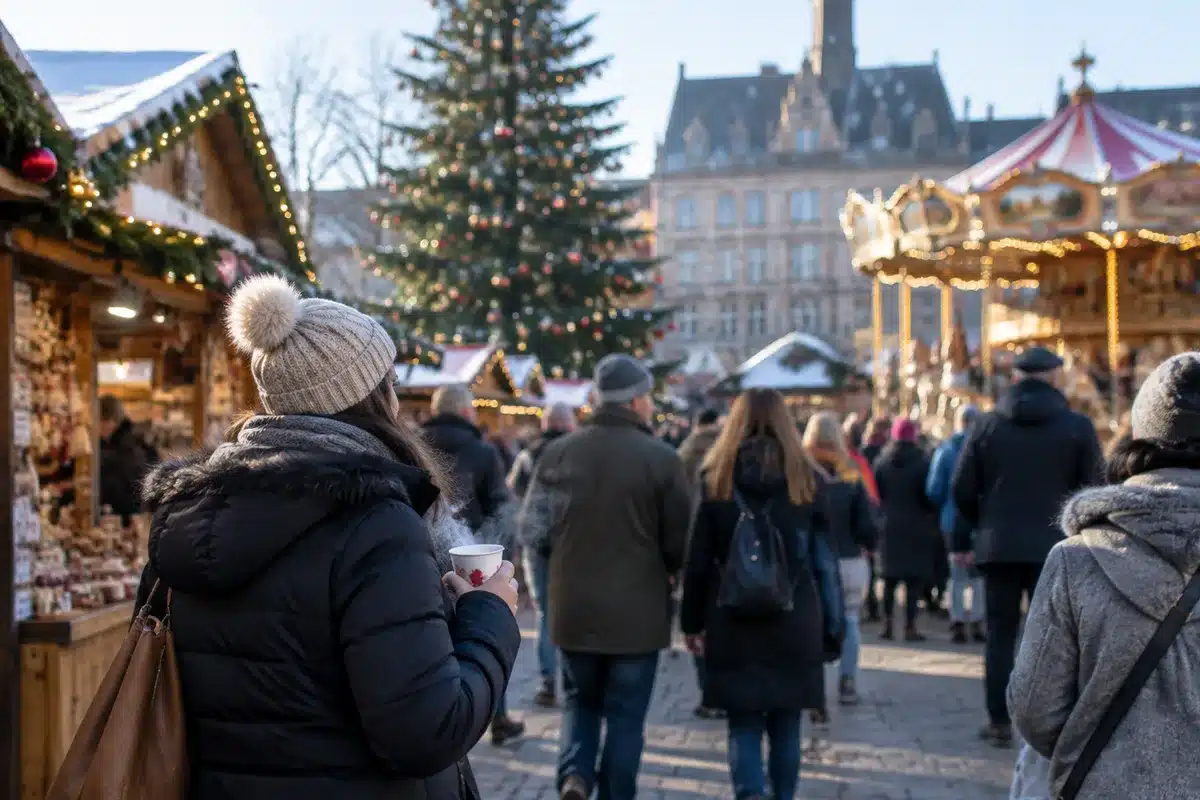
Tallinn’s medieval Old Town feels like a storybook at this time of year: cobbled lanes, Gothic facades and a central square crowned by a towering fir. The city claims a long association with public Christmas trees, dating back to 1441, and that heritage shapes the market’s old-world charm.
Stalls focus on locally made goods — linen, felted wool, knits and wooden toys — alongside Estonian winter fare such as blood sausages, sauerkraut and gingerbread. Try hot glögg made with regional buckthorn berries, then take a spin on the carousel or the ice rink.
The market runs daily from around 10am to 8pm, with hot drinks served later into the evening and extended hours at weekends. Beyond the square, Tallinn’s cafés, museums and public saunas invite longer stays — or even a bracing winter swim for the adventurous.
Belfast
Best for: Regional and international food. Dates: 14 November to 22 December.
Set beneath the illuminated façade of Belfast City Hall, the market’s rows of German-style chalets offer a wide mix of street food and handcrafted gifts. Expect everything from specialty cheeses and Italian chocolate to Dutch pancakes, exotic burger options and mugs of glühwein.
Local traders make up a significant portion of the stalls, which means you can still find authentic souvenirs rather than mass-produced items. The market closes earlier on Monday to Wednesday but stays open later from Thursday for weekend visitors. Families will find a vintage fairground and Santa’s Grotto on site.
Rory King, founder of Rory’s Travel Club, recommends sampling several dishes rather than one sit-down meal — and visiting in daylight for shopping, then returning in the evening to enjoy drinks and see the city hall lit up. Allow at least one night in Belfast to add the Cathedral Quarter and St George’s Market to your plans.
Budapest
Best for: Christmas on a budget. Dates: 13 November to 1 January (markets open on 25 December).
Budapest offers multiple hubs for festive shopping, notably the Advent market at St Stephen’s Basilica and the long-established fair in Vörösmarty Square, plus numerous smaller markets across the city. Prices for treats such as mulled wine are generally lower than in Austria or Germany.
Each evening the basilica’s façade becomes a canvas for a light show that lifts the ice rink and stalls below. Hungarian artisans sell ceramics, jewellery and leatherwork, while food stalls serve chimney cake (kürtőskalács) and kolbász sausages.
When you need to warm up, the city’s thermal baths are a unique draw. Historic Rudas Baths, on the Danube, combine hot mineral pools with striking river views — a pleasant contrast to the cold outside.
Chester
Best for: Medieval atmosphere. Dates: 18 November to 22 December.
Chester’s black-and-white timbered buildings, ancient city walls and imposing cathedral create a remarkably picturesque backdrop for a Christmas market. Wooden chalets in the town square showcase local producers from the North West: cheeses, handmade fudge, small-batch gin, candles and jewellery.
The market is smaller than some city events but that makes it intimate. You can continue shopping in the covered medieval galleries known as The Rows, where independent boutiques line narrow walkways.
Food options include hog roasts, real ales and steaming mugs of glühwein. The Winter Watch Parade — a revival featuring medieval and Renaissance characters, Roman soldiers and fire-breathers — adds theatrical spectacle, and seasonal events at Chester Castle often include live traditional music and a visit from St Nicholas.
Lille
Best for: Vintage toys and sweet treats. Dates: 18 November to 30 December (closed 25 December).
The historic capital of French Flanders, Lille lights up its Flemish-baroque centre with festive displays. For more than three decades the city’s market has filled the heart of town with chalets selling regional produce, decorations, vintage toys and candles beneath a giant tree and Ferris wheel.
Weeknight closing times are relatively early, with later hours at weekends, making evening visits ideal if you want longer browsing. When you’ve had your fill of shopping, Lille’s patisseries and boulangeries are perfect places to sample classic French desserts and coffee in atmospheric surroundings.
Winchester
Best for: Artisan gifts. Dates: 20 November to 22 December.
Framed by the Cathedral Close, Winchester’s market has become a staple for handcrafted gifts and seasonal food. Now in its twentieth year, the event features carefully chosen traders in a setting of striking stone architecture, carols and the aroma of mulled wine.
The market no longer runs its former ice rink, but a food court provides a range of seasonal options. It tends to be busiest at weekends; weekday visits are quieter and the market closes earlier on weekdays than at weekends, so plan travel accordingly. The city itself, once England’s ancient capital, rewards time spent exploring and attending a cathedral service if you can.
Drink responsibly.