Show summary Hide summary
Ireland’s long history has left the landscape dotted with sites tied to tragedy, folklore and reported apparitions. Below are nine locations across the island where visitors and locals have long described unsettling encounters — and where you can join guided walks or museum tours if you want to see for yourself.
Ballinastoe Woods, County Wicklow
The beech-lined paths of Ballinastoe have the look of a storybook wood, but local legend offers a darker note. A former coachman from the Powerscourt estate is said to have been wrongly condemned and now haunts the trails, searching for retribution.
State spent thousands on influencers to urge women to buy fewer clothes, records show
In pictures: Fans pack cinema for Practical Magic 2 debut in Ireland
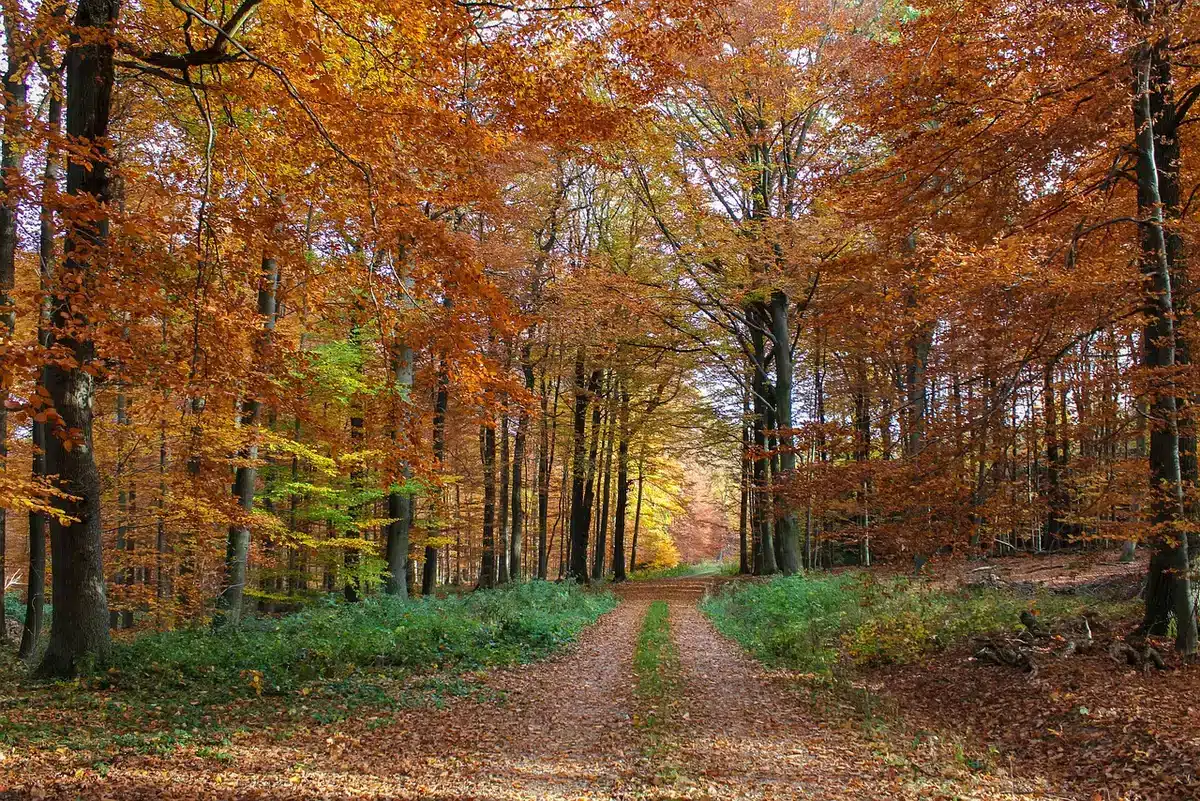
After dusk, some walkers report hearing the sound of phantom hoofbeats or glimpsing a spectral carriage moving through the trees. Whether you go by day or night, keep to marked trails and take care on uneven ground.
Derry City Walls, Northern Ireland
The 17th-century walls around Derry carry a violent history, notably the 1689 siege when disease, starvation and fighting cost many lives. Stories attached to that period tell of a decapitated soldier who reappears as a local version of the headless horseman.
Visitors after dark sometimes describe footsteps, whispers and the clash of arms along the ramparts. On misty evenings there are also accounts of an elderly woman in grey rags moving along the walls.
Derry stages a large Halloween festival each year, which adds a theatrical backdrop for anyone visiting during October.
Wicklow Gaol, Wicklow Town
Opened in 1702, Wicklow Gaol has long attracted stories of hauntings. Staff and visitors have reported a hooded figure emerging from the first-floor cells and a silent male presence in the ship-deck exhibit.
Some female visitors have felt an uncomfortable, even threatening atmosphere in parts of the building. The gaol was closed for renovations for a period, and it has been announced that it will reopen at the end of summer, in time for Halloween programming.
Kinsale and Charles Fort, County Cork
The tale of the “White Lady of Kinsale” is one of the island’s better-known tragic romances. On her wedding day the bride’s groom was accidentally shot by her father, who served at Charles Fort; distraught, the bride is said to have thrown herself from the fort’s walls.
Locals claim the White Lady still appears in a wedding dress, apparently benign towards women and children but menacing to men, especially those in uniform. Market Square is also linked to sightings of a ghostly fisherman who drifts back toward the sea.
Guided ghost tours, often starting from the Tap Tavern, offer a theatrical introduction to Kinsale’s darker stories.
Hook Lighthouse, County Wexford
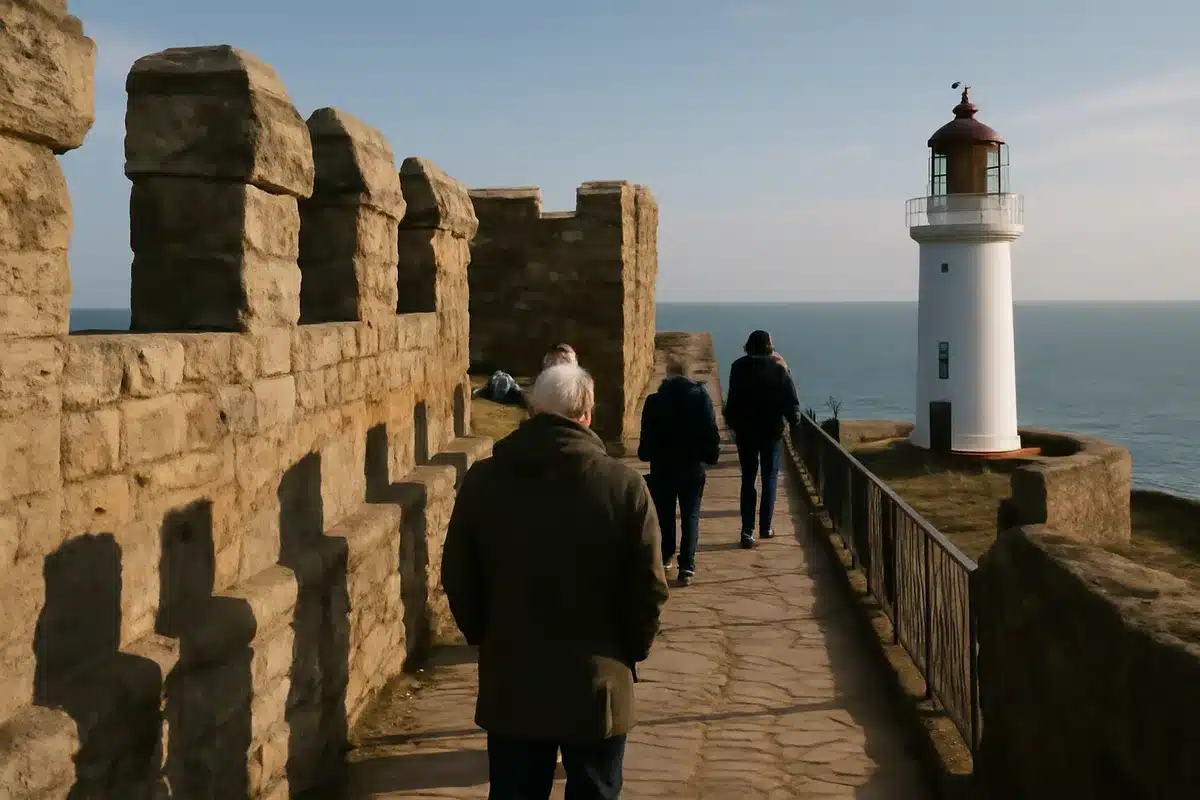
Dating from 1172, Hook is one of the world’s oldest operational lighthouses. Its long history has produced claims that William Marshall, who oversaw its construction, continues to watch over the tower on stormy nights.
Visitors and staff have described heavy, unsettling sensations inside the building and occasional sightings of a medieval monk moving about the grounds. Tours of the lighthouse offer both the historical context and, for the curious, a chance to judge these reports in person.
Blarney Castle, County Cork
Blarney Castle is best known for the Blarney Stone — kissed by generations seeking eloquence — but it also has its share of eerie anecdotes. Some people say a phantom man watches those who kiss the stone, and there are tales of a witch confined to the so-called witch’s stone by day and prowling the grounds at night.
The castle receives items in the post each year from people apologising for taking small keepsakes. Superstition or coincidence, the stories persist.
Trim Castle, County Meath
Trim’s Norman stronghold is more than 800 years old and contains many cramped passages and battlements where visitors have felt sudden cold spots. Reports include an overwhelming sense of dread and sightings of a tall, thin figure in a dark cloak pacing the walls.
If you want a festival atmosphere, the Púca festival in October features a themed walk called “Beyond the Veil – The Púca Trail,” which pairs local storytelling with the castle’s history.
Glasnevin Cemetery, Dublin
Glasnevin’s 124 acres hold around 1.5 million burials and a complex history that includes grave-robbing in past centuries. That past helps explain why many visitors describe an eerie mood across the site.
Stories here are not limited to human apparitions. One often-told account concerns a dog that reputedly haunts the grave of its owner, John McNeill Boyd. Guided tours cover the cemetery’s history and point out several of the more unusual narratives.
St Canice’s Cathedral, Kilkenny
The cathedral is associated with the 14th-century case of Dame Alice Kyteler, accused of witchcraft; she fled Kilkenny while her maid, Petronella, was executed. Since then, visitors and guides have reported cold spots and a heavy, oppressive presence on the stair beneath the western window.
Some attribute these sensations to Alice’s story, others to Petronella’s fate. The cathedral continues to attract those interested in medieval history as well as its ghost lore.
These locations blend documented history with local folklore. If you plan to visit, check opening times and book official tours where available, and always respect private property and heritage conservation rules while exploring.