Show summary Hide summary
Gardaí have issued a warning about a widespread text‑message banking scam that has already taken around €150,000 from seven people across Ireland, including one victim who lost €75,000. Authorities say the fraud uses convincing SMS prompts and a staged phone call to trick targets — frequently older adults — into handing over bank details and authorising transfers.
Scope and known losses
In a single week, detectives recorded seven confirmed victims whose combined losses total approximately €150,000. One person named by Gardaí — Margaret — was defrauded of €75,000. Other named victims include Susan, who lost €21,000; Mike, Lorna and Martin, who each lost €10,000; Yvonne, who had €4,000 taken; and James, who lost just over €2,000.
New trailer offers first look at Andrew Scott’s Elsinore
Country star Drew Baldridge and Katie’s meet‑cute reads like a rom‑com

How the fraud works
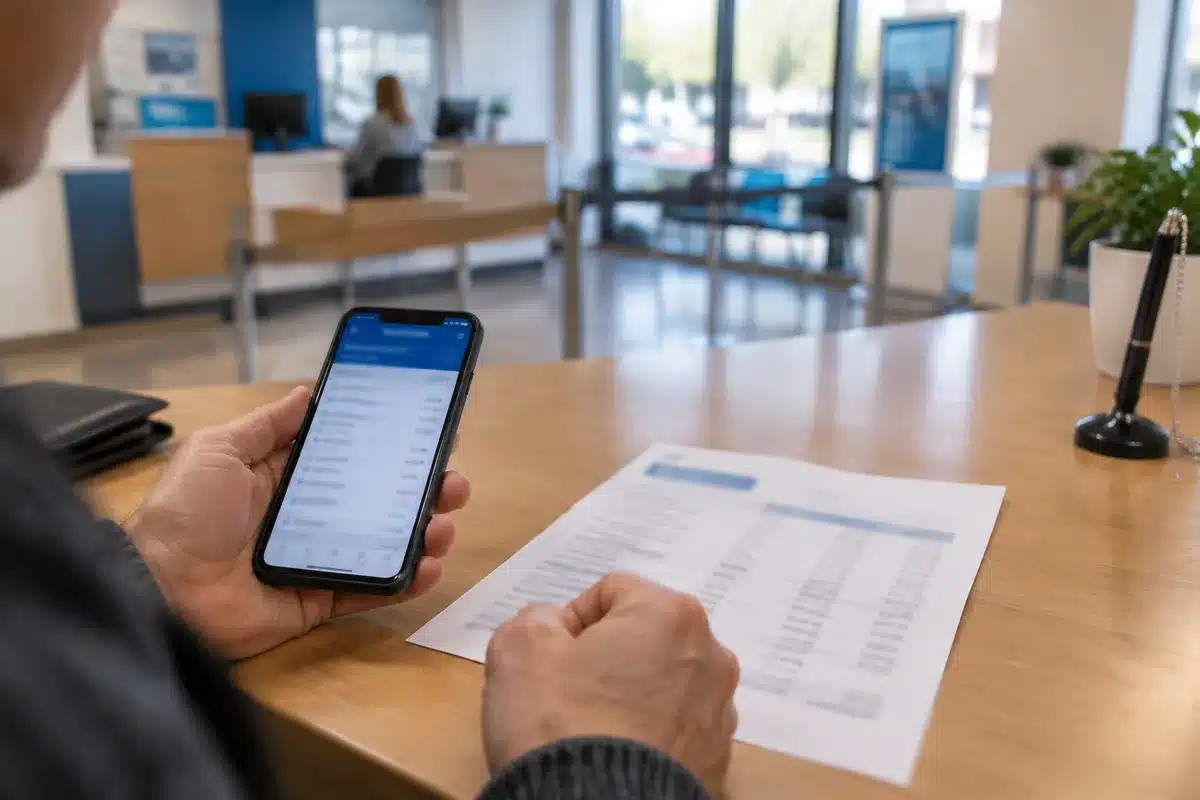
Gardaí describe the scam as beginning with an SMS claiming there is an unpaid direct debit on the recipient’s account. The message urges the person to call a provided number to resolve the issue.

When the victim rings, they are met by what the Gardaí call a “polished and professional” fraudster impersonating a bank employee. That caller then persuades the individual to disclose personal banking information and online login credentials, and to approve a two‑factor authentication request.
In some cases, victims were also convinced to set up a crypto account to facilitate the transfer. Once funds are cleared from the victim’s account, the fraudsters can quickly convert the money into cryptocurrency and move it out of reach, according to reporting by Dublin Live.
Advice from Gardaí and the Cybercrime Bureau
The Garda National Cybercrime Bureau has urged people to be extremely cautious about unsolicited texts and calls and to never give out personal or banking details to someone who contacts them unexpectedly. They emphasise that you should not open a crypto wallet or move savings at another person’s instruction.
Gardaí also warn against granting remote access to your computer or phone, a common technique used to facilitate fraud. Their guidance is simple: if you receive a suspicious message, talk it over with someone you trust or visit your bank or credit union in person before making any payments.
What to do if you think you’ve been targeted
If you suspect you have been scammed, contact your local Garda station immediately so the incident can be recorded and investigated. Prompt reporting can improve the chances of tracing funds or preventing further losses.