

Show summary Hide summary
More and more Irish families treat pets as travel companions rather than left-behind dependants. Vet Sarah Boland told Today with David McCullagh what owners need to know about safety, legal paperwork and practical steps before taking cats or dogs abroad.
Should you take your pet at all?
Deciding whether to bring a pet depends on the animal’s temperament and your plans. Some owners consider it essential, especially if a pet has recently joined the household. Others find kennelling a better option when animals struggle with travel.
City-centre eatery in Dublin to close after 40 years, owner says it breaks their heart
Road Safety Authority justifies €1.5m outlay on breathalysers for Irish pubs
Cats can be particularly sensitive to change. Stress from travel or new accommodation may show up as urinary or bladder problems. Dogs often adapt more readily when they are with their people, but individual differences matter.
Preparing for journeys by car
Practice short trips before attempting a long drive so your pet becomes familiar with the experience. Breaks are important on extended journeys — pets, like people, need to stretch, drink and relieve themselves.

Keep animals secured while the car is moving. Boland recommends using a seatbelt-compatible harness for dogs and a sturdy carrier for cats.
Cross-border health and documentation
If you plan to travel within the EU, your pet must carry a EU pet passport. In Ireland, that process is handled by vets and can take from a few minutes to several days depending on paperwork and availability.
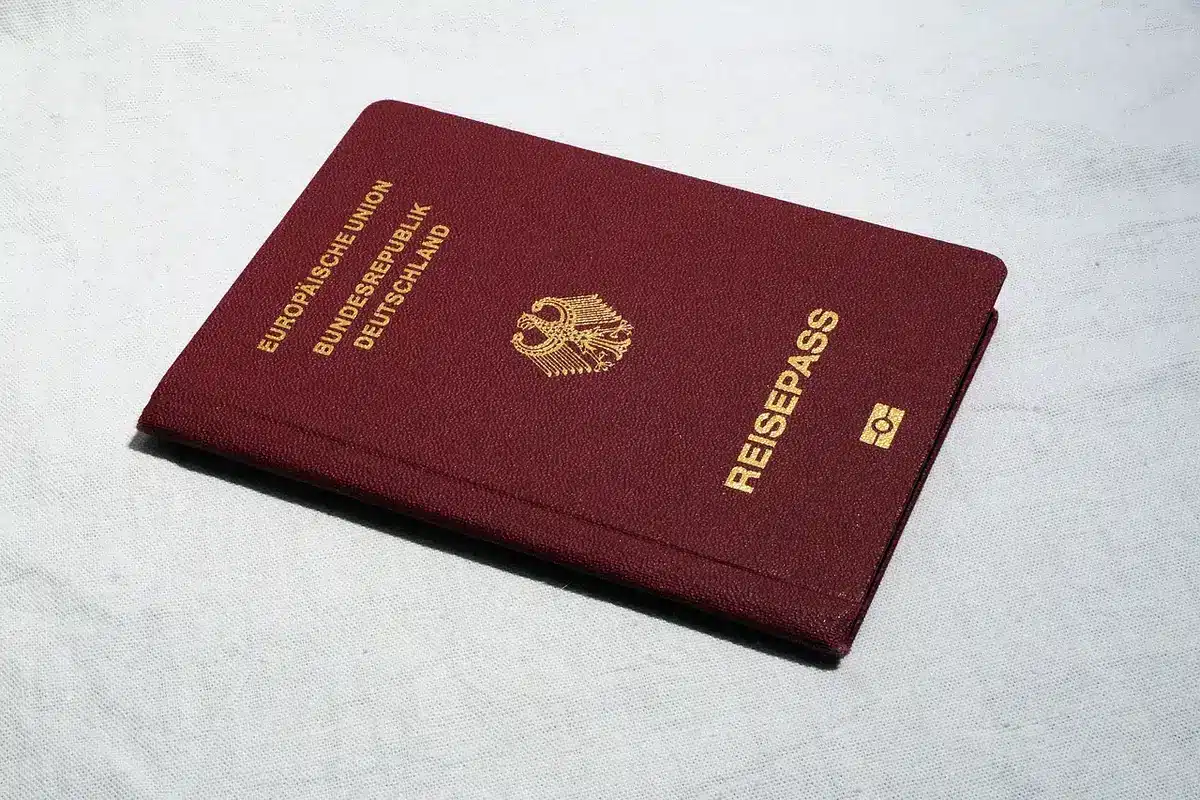
Two compulsory points to note: pets need a recorded rabies vaccination, and they must be at least 12 weeks old to receive it. After vaccination there is a waiting period before travel — a minimum of 21 days, and in some cases up to 30 days depending on the vaccine used.
Ireland is currently free of the particular tapeworm species known as Echinococcus, a factor that shapes controls in other countries. On return from abroad, animals must receive a certified tapeworm treatment within a strict window — between five days and 24 hours before travelling home. That treatment must be administered and signed off by a vet and recorded with the time in the passport. The rule applies to journeys that include travel via Britain as well.
Air travel: cabin or hold, and breed limits
Flying with a pet involves additional planning and fees, which vary by airline. Owners can sometimes keep small animals in the cabin, subject to weight limits and advance booking. Boland said the typical cabin allowance is about 8kg including the carrier, but rules differ between carriers.
Larger dogs are sent in the hold and are subject to separate weight and container requirements. Not all breeds are accepted on flights. Flat-faced dogs — for example pugs and certain mastiff types — may be restricted because their shorter nasal passages make temperature regulation harder, increasing the risk of overheating, particularly in less climate-controlled holds.
Ferry travel and short sea crossings
Sea travel tends to be simpler. Ferries usually have inspection points at ports and each operator issues its own guidance, but the process is broadly comparable to travelling by car.
For short crossings pets can remain in the vehicle; for longer sailings, ferries commonly offer kennelling options on board.
Before you travel, check documentation and health requirements with your own vet and, if possible, verify rules with a veterinary contact at your destination. Small steps in preparation reduce stress for animals and owners alike.