
Show summary Hide summary
Nikita Hand is preparing to publish a memoir that revisits the 2018 assault that upended her life. In advance of its release on 22 September she has told RTÉ Radio 1 she still experiences panic attacks and does not expect to return to the hairdressing career she once loved.
A book meant to reshape assumptions
On Saturday 19th, Hand spoke with Brendan O’Connor about Not the Perfect Victim, a memoir in which she lays out her own account of the attack and the years that followed. The book aims to challenge common ideas about how victims “should” behave.
She told the broadcaster she wrote the book partly to reach young people who might doubt their own credibility if they made mistakes, socialised, or drank. Her message is simple: there is no single model of a legitimate victim, and imperfect behaviour does not mean someone is not worthy of belief. Yet, she admits, she is anxious about how readers will respond when the book reaches shelves.
How her life changed
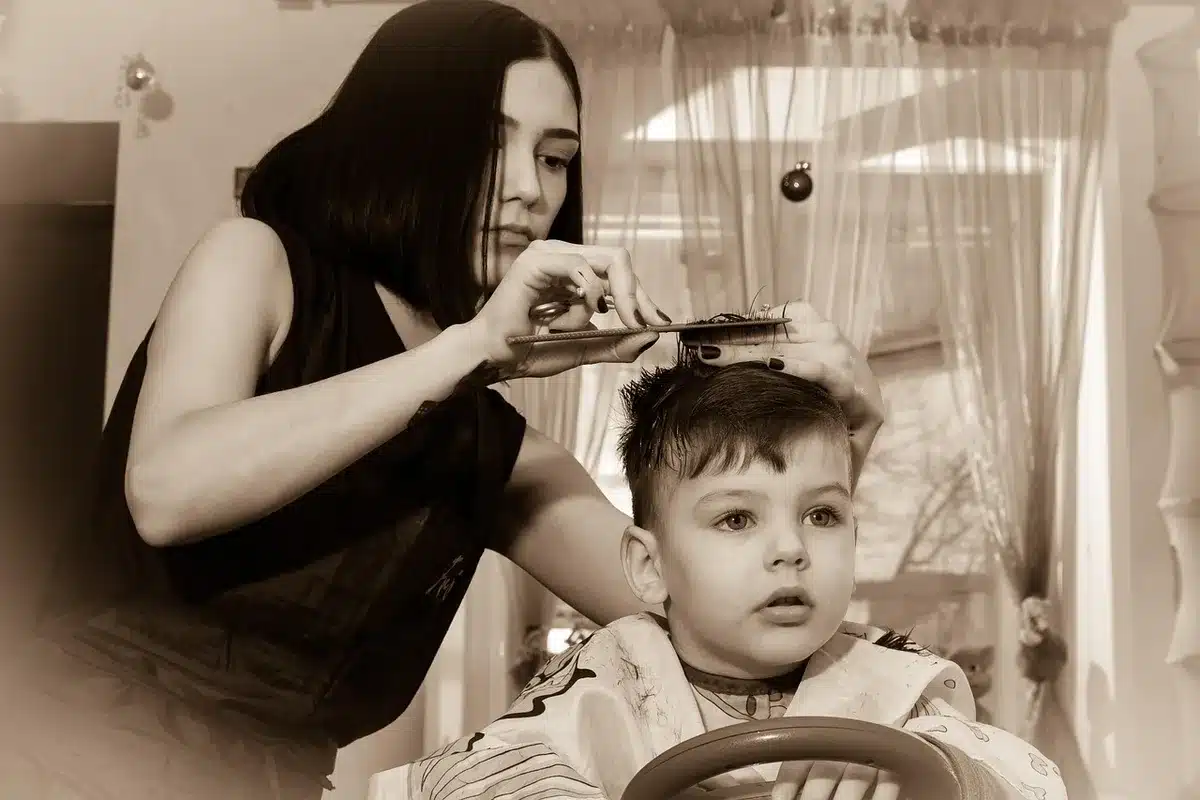
Before the assault, Hand worked as a hairdresser — a job she describes as her dream career. The trauma she endured, and the attention that followed, have altered her path. She says she does not think she will ever go back to that work.
Today she lives with her partner Gary and is raising their two daughters, Freya and Alba. Family life has become a central part of her recovery, yet she stresses that moving on does not erase the past. The memoir recounts ongoing symptoms, including persistent panic attacks and the lasting impact of the memories she carries.
Legal fallout and public scrutiny
Hand’s book also describes the post‑assault processes she experienced: the Garda investigation, the decision to bring a civil case, the courtroom process and the intense public reaction that followed. She won a civil case against Conor McGregor, and she has said she has never forgiven him for what she says happened to her.
Publishing those episodes exposes some of the most painful parts of her life to strangers. Despite that, Hand has been clear about her purpose: to encourage others to speak up without feeling they must fit an imagined standard of behaviour to be believed.