Show summary Hide summary
Ryanair has stirred fresh controversy after posting a short video teasing a new low-cost option it called a “standing cabin” — advertised at just €1. The clip prompted sharp debate online about comfort, safety and the limits of budget air travel.
What the airline shared
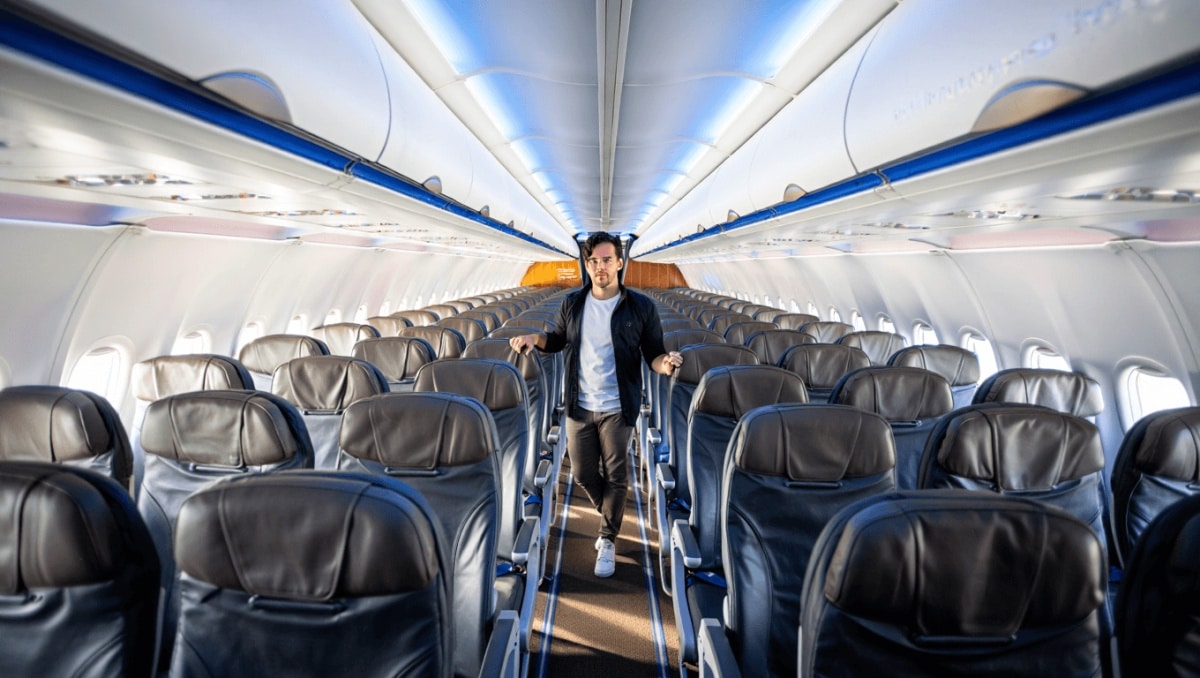
The airline published a TikTok video that portrayed passengers using a strapped-in, upright arrangement and announced: “Introducing Ryanair standing cabin.” The accompanying line said: “For €1 you can stand on short haul flights,” and the post closed with the caption: “Soon?”.
Passenger response split sharply
Viewers reacted strongly. Several comments rejected the idea outright — one user wrote, “Nope ain’t flying with Ryanair anymore,” while others dismissed the concept as unsuitable or joked about the timing.
At the same time, a number of users took a pragmatic view, saying the arrangement might be acceptable on very short routes and praising the low price. Others made light of accessibility concerns in their replies.
Context: this is not a new stunt
Ryanair’s chief executive, Michael O’Leary, has previously floated unconventional seating ideas, such as vertical “saddle” or bar-stool-style seats. Those comments have often been framed as publicity moves intended to provoke discussion rather than firm plans.
Regulatory and safety questions
Crucially, such standing or saddle-style seating has not received approval from aviation regulators. Ryanair has said these designs are not part of its fleet plans.
Independent reporting has flagged practical concerns around circulation, passenger fatigue and general comfort for upright seating on planes. Those issues represent key obstacles if an airline were ever to pursue a certified “standing” layout.
What it means for travellers
Ryanair’s low fares remain a major draw for holidaymakers, but passengers already accept certain trade-offs: narrower seats, reduced legroom and fewer onboard services. The standing-cabin concept brings those trade-offs into sharper focus, and highlights the tension between cutting cost and preserving comfort and safety.
Whether the idea ever moves beyond social-media provocation will depend on regulatory clearance and wider passenger acceptance — neither of which has been secured.