

Show summary Hide summary
Ryanair has come under scrutiny after reports that some passengers were publicly chastised for breaching an informal dress standard on board. The episode, described in social media posts and secondary coverage, has prompted debate about how airlines should handle passenger attire and where to draw the line between safety and shaming.
Allegations and the loose “dress code”
According to multiple online accounts, cabin crew confronted travellers whose clothing was judged inappropriate under an unstated onboard norm. Those posts say the exchanges were visible to other passengers and left some flyers feeling embarrassed.

Details vary between accounts, and the full sequence of events has not been independently confirmed. It is also unclear whether Ryanair issued an official response to the reports.
Why this matters to passengers
Incidents like this raise two connected issues: the scope of an airline’s authority over passengers’ behaviour, and the duty to treat customers with respect. Visible reprimands for clothing can quickly become a wider reputational problem for a carrier when they are shared online.
For travellers, the episode underscores how social norms — not only formal rules — shape the flying experience. What one passenger considers acceptable may be seen as inappropriate by another, and crew are often put in the position of making quick judgements.

Airlines, policies and enforcement
Most carriers maintain explicit policies covering safety and decency; these can include restrictions on items that impair evacuation or present hygiene concerns. How these rules are applied in practice, however, varies.
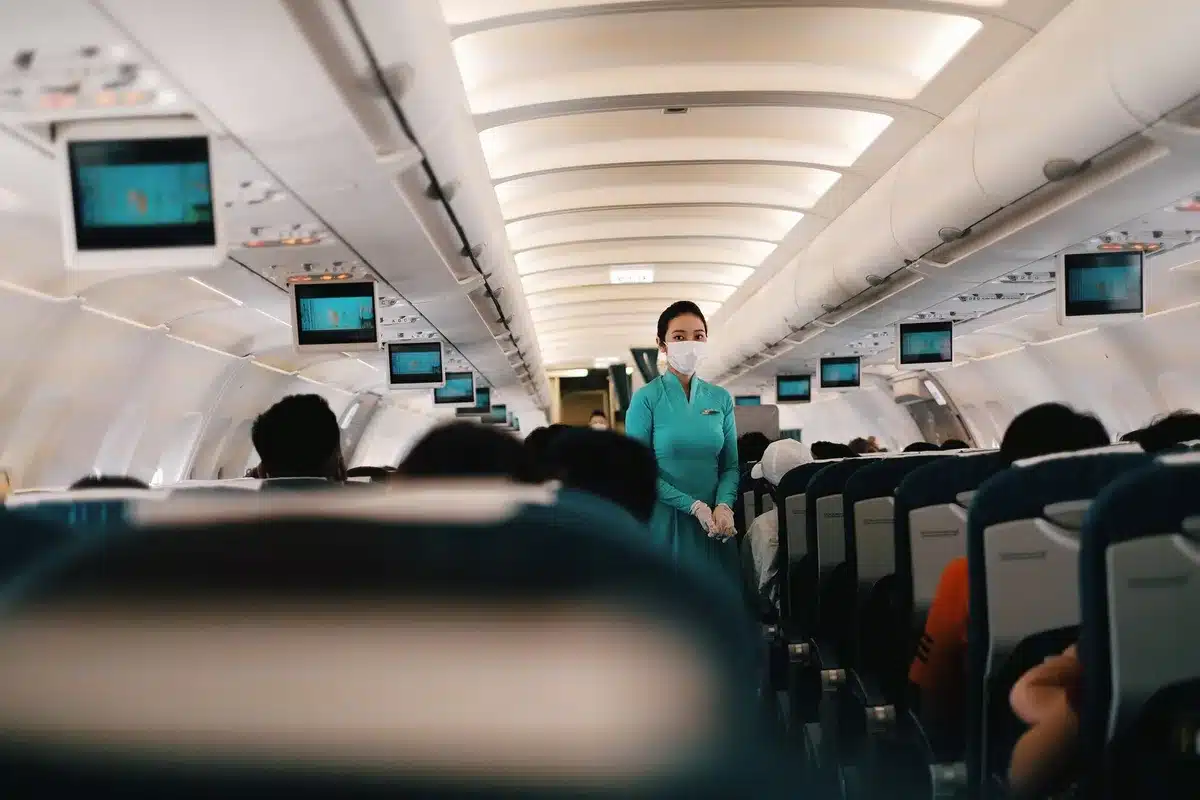
Experts in aviation customer service say enforcement should be guided by clear policy and training, focused on safety and fairness rather than public chastisement. Where guidance is vague, crew discretion increases — and so does the risk of inconsistent treatment.
Questions for travellers and regulators
- Should airlines publish clearer guidance on acceptable onboard attire?
- When does firm enforcement cross into public shaming?
- What recourse should passengers have if they feel mistreated?
Until more verifiable information emerges, the core takeaway is practical: passengers and airlines benefit from clearer expectations and measured enforcement. That reduces misunderstandings and helps keep disputes off social feeds — and away from cabin aisles.