Show summary Hide summary
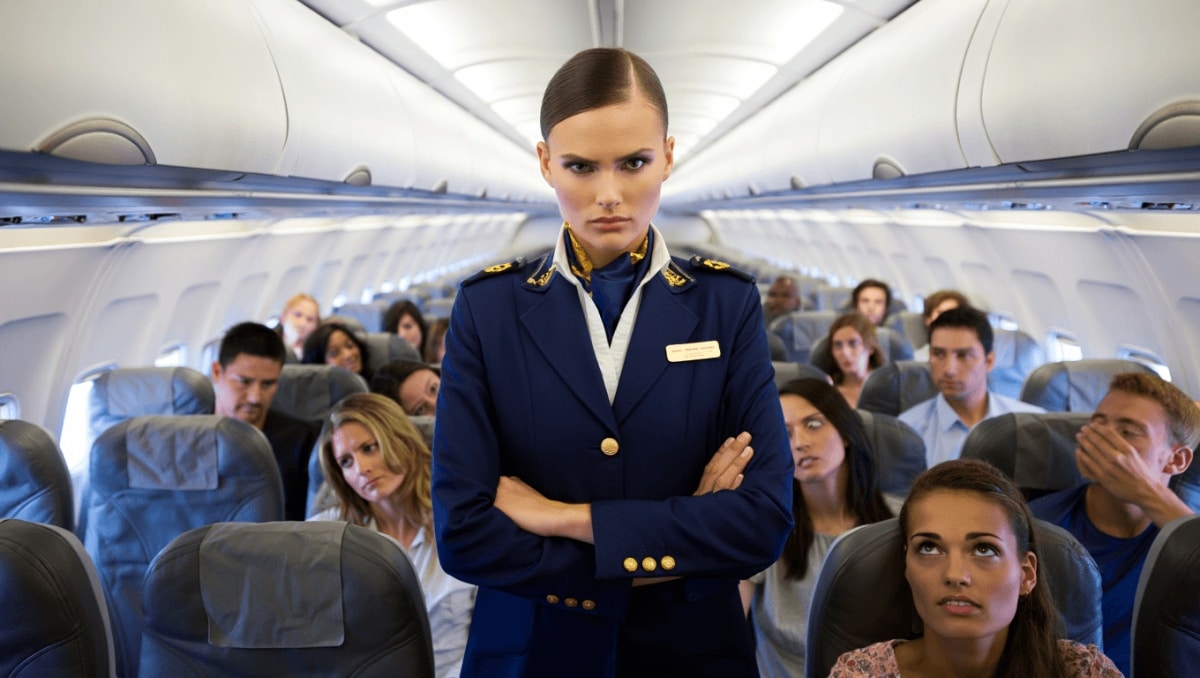
A flight attendant’s curt reply to passengers who asked to swap seats has focused attention on a common inflight friction point: when a simple request collides with safety rules and airline procedures. Understanding why crew sometimes refuse—and how travellers can respond—reduces awkward moments and keeps flights running smoothly.
Why people ask to swap seats
Passengers request a seat change for obvious reasons: to sit with family or friends, to avoid a middle seat, or to move closer to the front for a quicker exit. Comfort, convenience and social needs all play a part.
Sometimes the request is spontaneous, other times it’s planned in advance. Either way, swapping seats seems like a small favor—until practical constraints make it impossible.
Practical and safety reasons crews refuse
Flight attendants are responsible for the cabin’s safety and operation. That responsibility means they may refuse a seat swap when it would interfere with safety procedures or regulatory requirements.
Some seats are restricted. For example, certain rows have safety equipment, limited space, or duties tied to them. Airlines also take into account weight-and-balance concerns on some aircraft and the need to keep passenger records aligned with assigned seats.
Beyond technical reasons, operational factors—boarding sequences, preassigned seating for groups, and last‑minute adjustments—can make a swap impractical even if it seems harmless.
How travellers should ask—and react
- Politely ask the crew first rather than moving without permission.
- Offer to swap with another passenger directly, and let crew confirm the change.
- If denied, accept the decision calmly and ask whether the gate or customer-service staff can help.
Remaining courteous helps. A calm exchange lets crew do their jobs and keeps the situation from escalating.
Rules that commonly affect seat availability
Some seats carry extra conditions. Exit row occupants must meet specific physical and language requirements in many jurisdictions. Seats with infant anchors or restricted space may also be unavailable for reassignment. These limitations are part of regulated safety practices rather than personal preference.
Tone, authority and public reaction
When crew respond tersely it can feel harsh—especially in a confined cabin. But firmness often reflects responsibility rather than rudeness. Cabin staff have authority to enforce rules that protect everyone on board.
Passengers who feel a response was unduly blunt can raise the matter with the airline afterward. In flight, though, following crew instructions is the safest course.
In short, asking to change seats is usually fine, but expect a “no” when safety, regulations, or logistics are involved. Politeness, patience and checking with crew or gate staff will usually lead to the best outcome for everyone.