
Show summary Hide summary
A powerful 7.7-magnitude earthquake struck the Indonesian island of Flores early on Saturday, killing at least 51 people and leaving dozens injured while aftershocks and infrastructure damage complicated rescue efforts. Authorities and aid groups say thousands of homes and public buildings were damaged, and relief is beginning to reach cut-off communities.
Casualties and aftershocks
Indonesia’s Deputy Health Minister, Benjamin Paulus Octavianus, reported 51 deaths linked to the quake, with 36 people seriously injured and 77 sustaining minor injuries. The national disaster agency (BNPB) later said about 101 residents on Flores had been hurt.
Road Safety Authority justifies €1.5m outlay on breathalysers for Irish pubs
Following Jonathan Anderson’s catwalk, Dublin to host vintage Dior exhibition
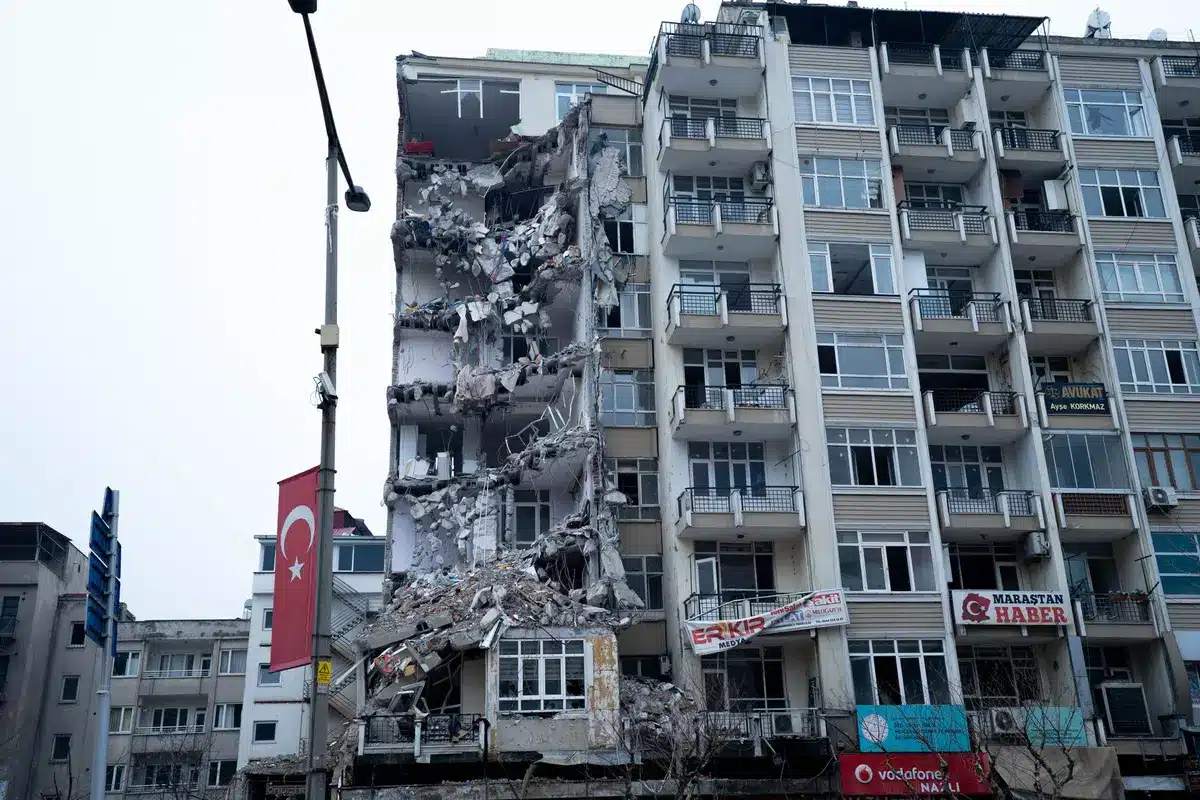
The initial tremor was followed by a large number of aftershocks. Officials recorded at least 341 aftershocks in the hours after the main event, increasing fear among local residents and complicating search operations.
Damage to homes and public services
Preliminary assessments indicate widespread damage to housing and civic buildings. The BNPB said at least 914 houses were severely damaged, with many more suffering lesser harm.
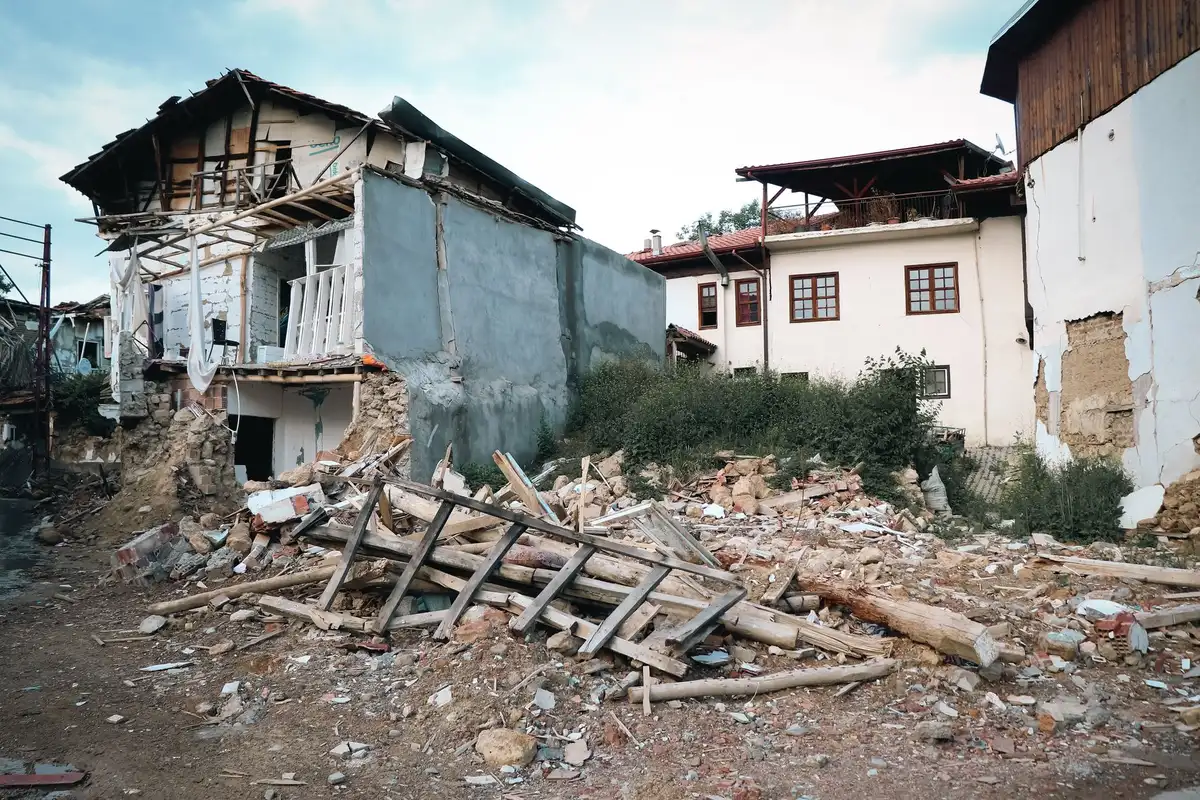
Public infrastructure also suffered: authorities reported damage to 93 educational facilities, 36 health centres and 38 government offices. Parts of the island experienced power outages, leaving some communities without electricity during the emergency response.
Local needs and resident accounts
In Nangahale village on Flores’s north coast, a resident named Umri told AFP that people urgently needed food, drinking water, medicines and nappies for children. He said he remained frightened and traumatised by the quake.
Umri, 55, referenced a 1992 earthquake and tsunami that struck the region and left about 2,500 people dead. That historical trauma was still very present for many survivors, he said.
Relief efforts under way
On Sunday, aid began to reach affected areas. The local government has dispatched 50,000 aid packages, and humanitarian organisations including the International Federation of Red Cross and Red Crescent Societies are supporting relief work.
European Commission President Ursula von der Leyen offered satellite support to assist search-and-rescue teams. On X she wrote: “Terrible news from Indonesia today. My thoughts are with the families who have lost loved ones in this devastating earthquake.” She added: “From solidarity to action, Europe stands ready to deploy Copernicus, our eyes in the sky, to support search and rescue efforts. Indonesia, we stand with you.”
Officials cautioned that assessments are ongoing and that figures for damage and casualties may change as teams reach more remote areas and complete their evaluations.