
Show summary Hide summary
Long-haul flights often leave passengers feeling tired, bloated and slow to function. Doctors say a mix of disrupted routines, the cabin environment and what you eat and drink can all contribute — and simple habits can reduce the worst effects.
Why flying affects digestion and energy
One key factor is a break from your usual daily pattern. Dr Asimah Hanif, an NHS GP who works with travel insurer Staysure, notes that eating at unfamiliar times or consuming foods you don’t normally eat can upset digestion and sap energy.
Timing matters. Dr Mark Austin, a gastroenterologist at Nuffield Health in Haywards Heath, explains that travel at odd hours can alter your physiology and trigger stress hormones, which makes you feel less hungry yet more uncomfortable and bloated.
City-centre eatery in Dublin to close after 40 years, owner says it breaks their heart
Road Safety Authority justifies €1.5m outlay on breathalysers for Irish pubs
Cabin conditions and what they do to your body
The aircraft environment plays a role. At altitude, lower cabin pressure and reduced oxygen levels may affect digestion and overall energy. In addition, the air inside cabins is intentionally dry; that dryness can lead to dehydration, which often worsens fatigue.
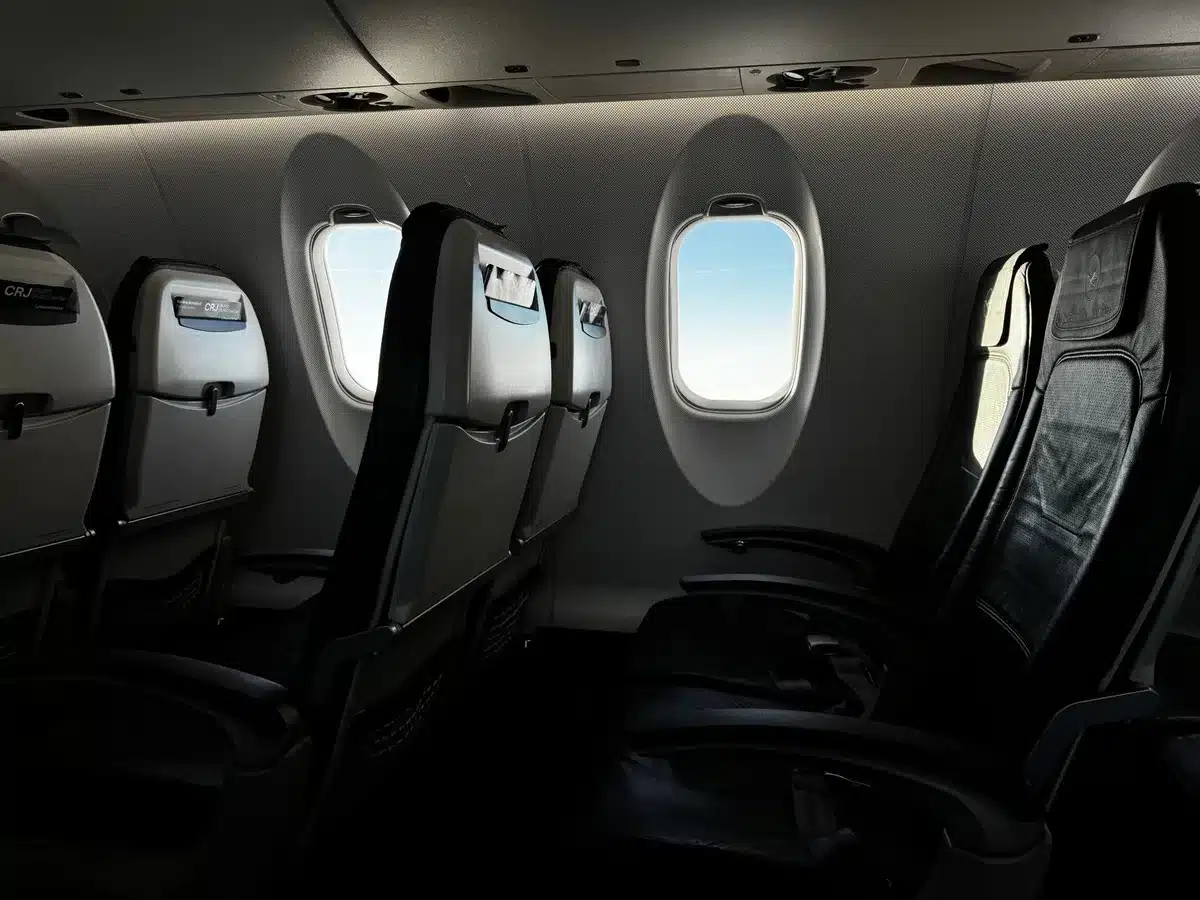
Dehydration itself is significant. Austin warns that low humidity can prompt a stress response that diverts blood away from non-essential organs, including parts of the gut, slowing digestion and increasing the chance of bloating or constipation.
Food, drink and stimulants
Airline meals are frequently higher in salt and carbohydrates than foods eaten on the ground. Hanif says extra salt is commonly added because passengers’ taste perception changes at altitude. The result can be water retention and sluggish digestion.
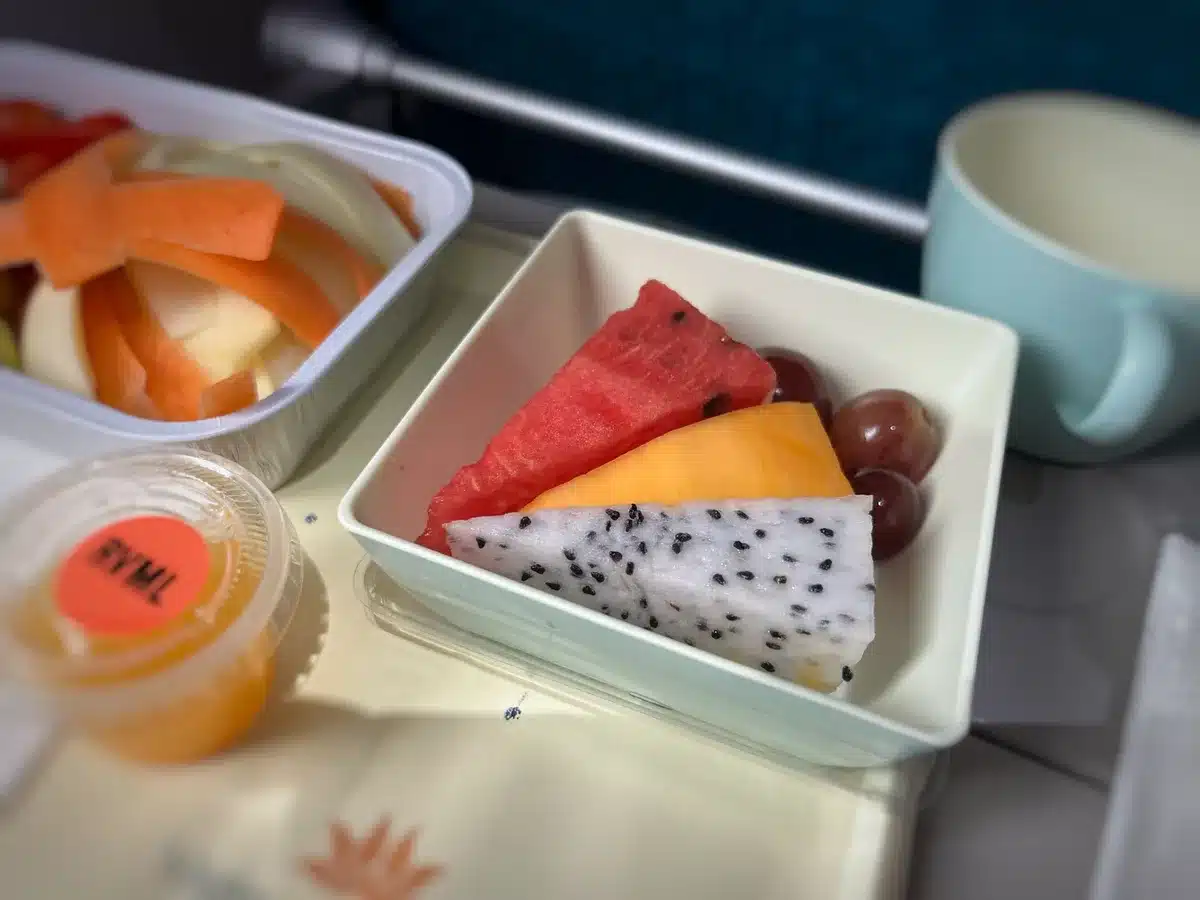
Austin points out that many in-flight meals are ultra-processed and low in fibre but higher in fat and simple carbs. Those combinations fill you up quickly and can promote sleepiness after eating.
Alcohol and caffeine also have outsized effects during flight. Alcohol worsens dehydration, disrupts sleep and may relax the lower oesophageal muscles, increasing reflux risk. Caffeine, as a stimulant, can confuse the body further when crossing time zones and lengthen jet-lag symptoms.
Being still and the gut
Long periods of sitting reduce circulation and slow metabolism. Hanif highlights that this lowered activity can impair nutrient absorption. For people who already have sluggish gut transit, Austin warns the immobility can increase gas production and constipation, making bloating more likely.
How to reduce the mid-flight slump
Experts recommend straightforward, practical changes that you can apply on your next trip. Small adjustments in eating, drinking and movement help more than you might expect.
- Avoid stimulants: Skip or limit alcohol and reduce caffeine before and during the flight.
- Choose lighter meals: Prefer balanced options with protein and vegetables over heavy, starchy dishes.
- Snack smart: If you’re not hungry, pick fruit, nuts or seeds rather than a large inflight meal.
- Stay hydrated: Aim for about a glass or half a bottle of water each hour while airborne.
- Move regularly: Stand and walk the cabin every two to three hours to help circulation and ease gas.
Applied together, these steps address the main causes doctors identify: disrupted routines, the dry cabin environment, food choices and prolonged inactivity. They won’t eliminate every discomfort, but they can make a long flight notably more tolerable.