Show summary Hide summary
On an eight-day escorted trip with Intrepid Travel, I found Sri Lanka to be a nation of ritual, quiet endurance and surprising hospitality. Moments ranged from being welcomed into a wedding to standing beneath millennia-old sacred trees — each revealing a different layer of the island’s character.
A wedding, a welcome and coastal beginnings
Lessons from eight days in Sri Lanka
Appeal seeks repatriation to Ireland for 23-year-old who died in Bali
We arrived in Negombo, a short drive from the international airport, and settled into a beachfront base that was more about breathing out than picture-perfect sand. It was there, during a routine coffee stop on a three-hour drive, that a spontaneous invitation led me into a hotel function room and straight into a wedding.
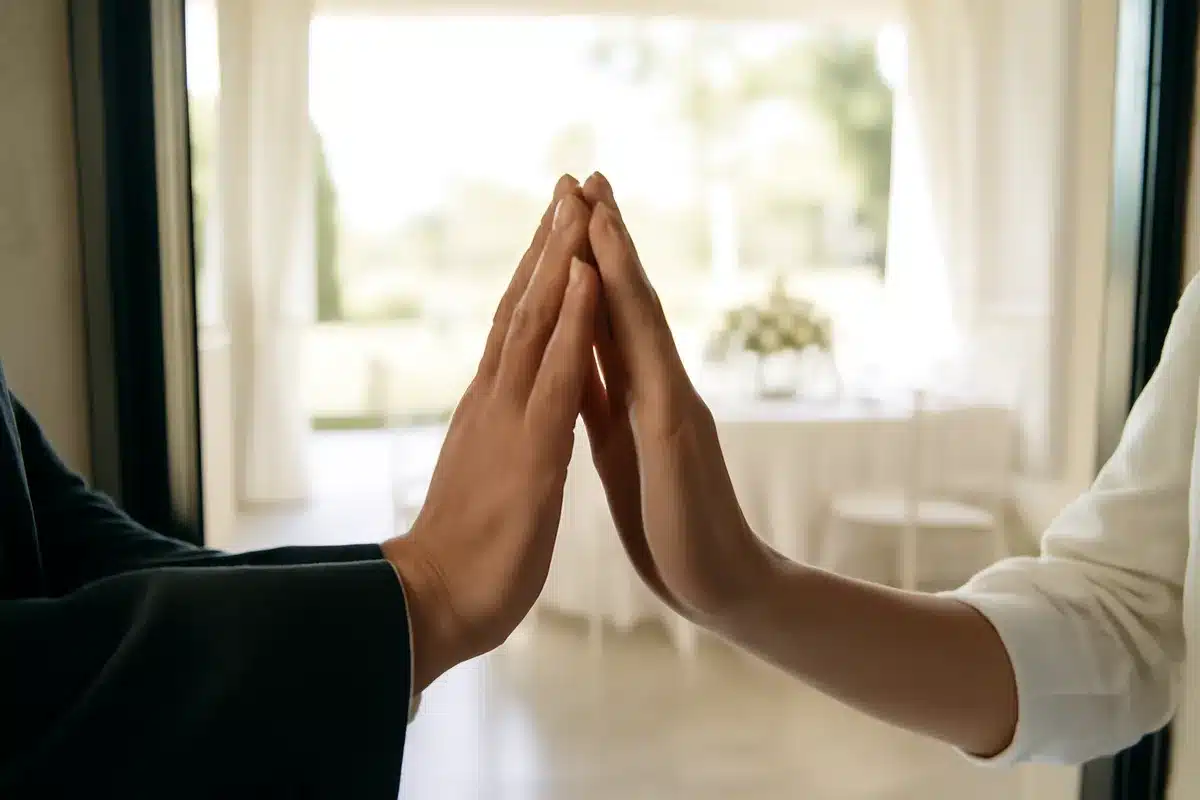
Clad in casual travel clothes, I expected awkwardness. Instead the bride’s parents greeted me with folded palms and ayubowan — a traditional wish for a long life — and the couple treated our small group as honoured guests. “It is our honour that you have come today,” the bride told me, taking my hand. “It is a sign of good fortune for our marriage.”
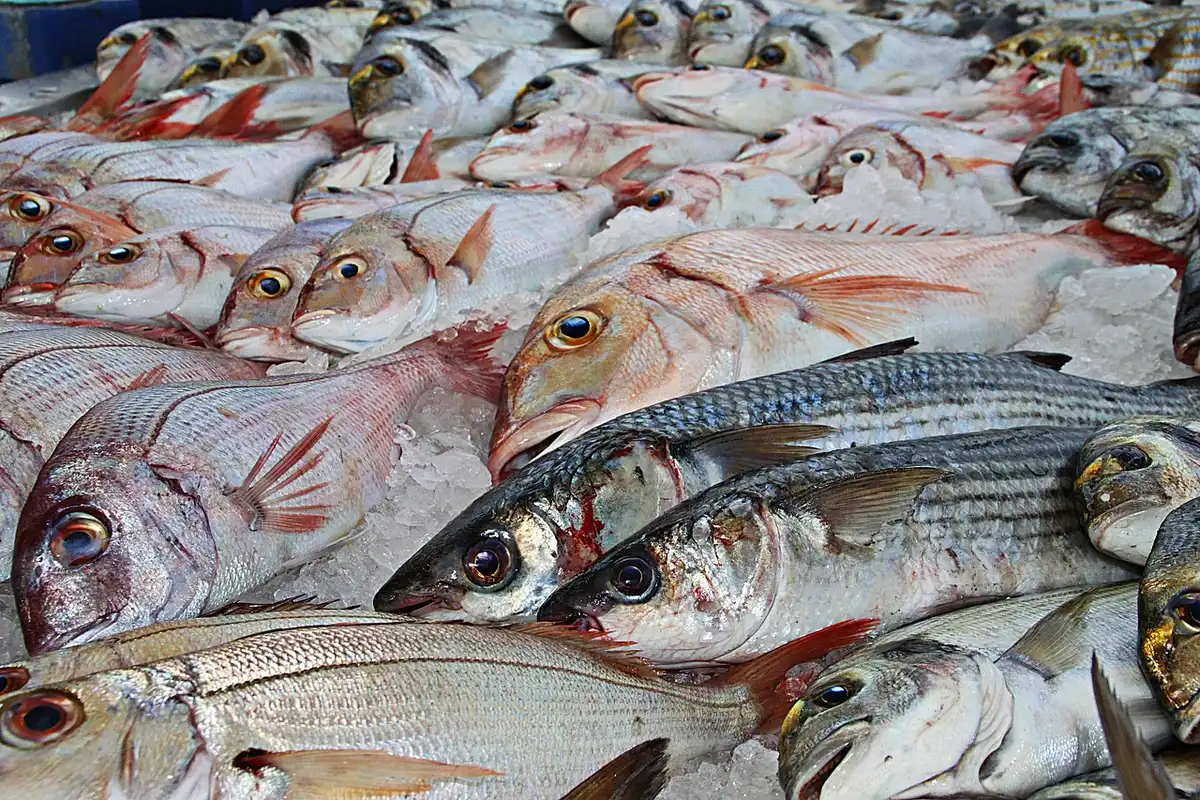
Before we left the coast the next morning we visited Negombo’s fish market. Boats return in the small hours and by 8am the sand is a working tableau of gutted fish, circling birds and the briny, diesel-scented air of the harbour — less spectacle than everyday rhythm.
Highlands, tea and the footprint of a cyclone
Heading inland, the landscape cooled and rose toward the central highlands. Our guide, Chami, spoke about Buddhism in practical terms: “I am a Buddhist. I follow it deeply. It’s not a religion. It’s a way of life.” About 70 per cent of Sri Lankans identify as Buddhist, and that lived faith showed up in quiet ways across the journey.
In Kandy we visited the Temple of the Sacred Tooth, a UNESCO-listed shrine said to contain a canine tooth of the Buddha. Pilgrims queued barefoot through incense and lotus offerings to catch a glimpse of the ornate casket; the air felt heavy with devotion.
Plans to take the celebrated Kandy-to-Nuwara Eliya train were abandoned after Cyclone Dithwa, which had struck about a month earlier and caused dangerous flooding and landslides. Roads were damaged, rivers overflowed and workers in high-visibility jackets were still repairing collapses. We drove instead, passing tea plantations where women picked leaves by hand — a reminder of the labour behind a familiar cup of tea.
Ancient sites and the Cultural Triangle
Moving north into Sri Lanka’s Cultural Triangle, the countryside flattened and Chami grinned: “We’re going rural now. This is the real Sri Lanka.” Our first major stop was the Dambulla Cave Temple, founded in the 1st century BC. The climb of 364 uneven steps was rewarded by shaded caves painted with faded frescoes and the enormous 14-metre reclining Buddha hewn from the rock.
Later, roadside vendors sold king coconuts sliced open with a machete for a cooling drink — a small comfort between archaeological sites and jungle roads.
Sigiriya, elephants and Anuradhapura
We rose early to climb Sigiriya, the 183-metre granite fortress that crowns the jungle. Steel stairways and narrow walkways lead past water gardens, ancient frescoes and the famous lion’s paws carved into the rock. At the summit sit the ruins of a 5th-century citadel and, on New Year’s morning, watching the first sunrise of 2026 over a canopy of trees felt revelatory.
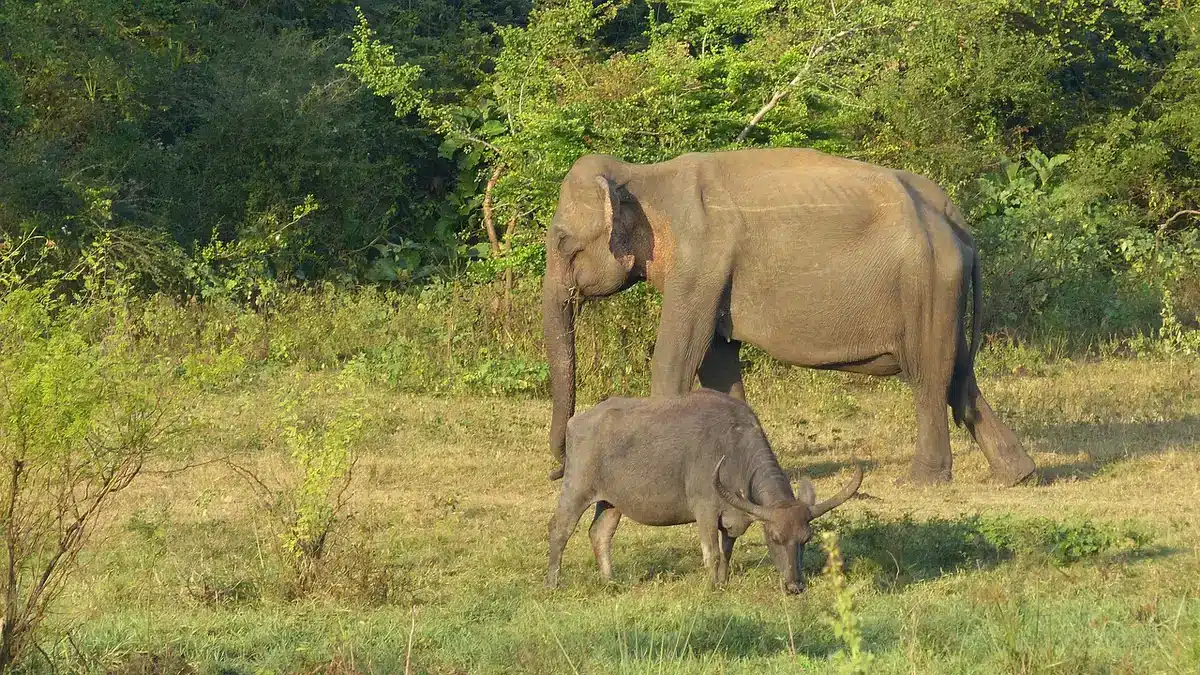
Lower down, a safari through Hurulu Eco Park offered a different kind of spectacle: families of wild elephants moving through red-dirt tracks. Engines were cut and we watched at a distance as mothers and calves emerged from the forest.
In Anuradhapura, once Sri Lanka’s capital for nearly 1,400 years, the Sri Maha Bodhi stands at the spiritual centre. Said to have been grown from a cutting of the Buddha’s enlightenment tree in the 3rd century BC, the tree is still the focus of daily veneration. Pilgrims in white processed with lotus flowers while monks murmured prayers — the continuity of devotion palpable in the shaded grounds.
Colombo and the island’s rhythms
Our final stop was Colombo, where modern glass towers rub shoulders with colonial facades and lively streets. We arrived on a full-moon Poya Day, a monthly public holiday tied to the lunar cycle, and the city moved with celebration: families along the seafront, fireworks and carnival rides, a reminder that ancient rhythms shape daily life even in the capital.
Practical details
Deirdre Mullins travelled as a guest of Intrepid Travel. The operator’s 8-day Classic Sri Lanka itinerary starts from €1,346 per person and includes accommodation, ground transport, selected meals and activities, and the services of a local guide. Departures run year-round; international flights are not included. For bookings and information, visit intrepidtravel.com or call 01 526 8507.