Show summary Hide summary
When a companion’s knee injury forced us to abandon planned levada hikes, the trip could have unraveled. Instead, basing ourselves in Funchal and exploring Madeira by car revealed dramatic coasts, cloud forests and unexpected festive energy.
Funchal as a practical base
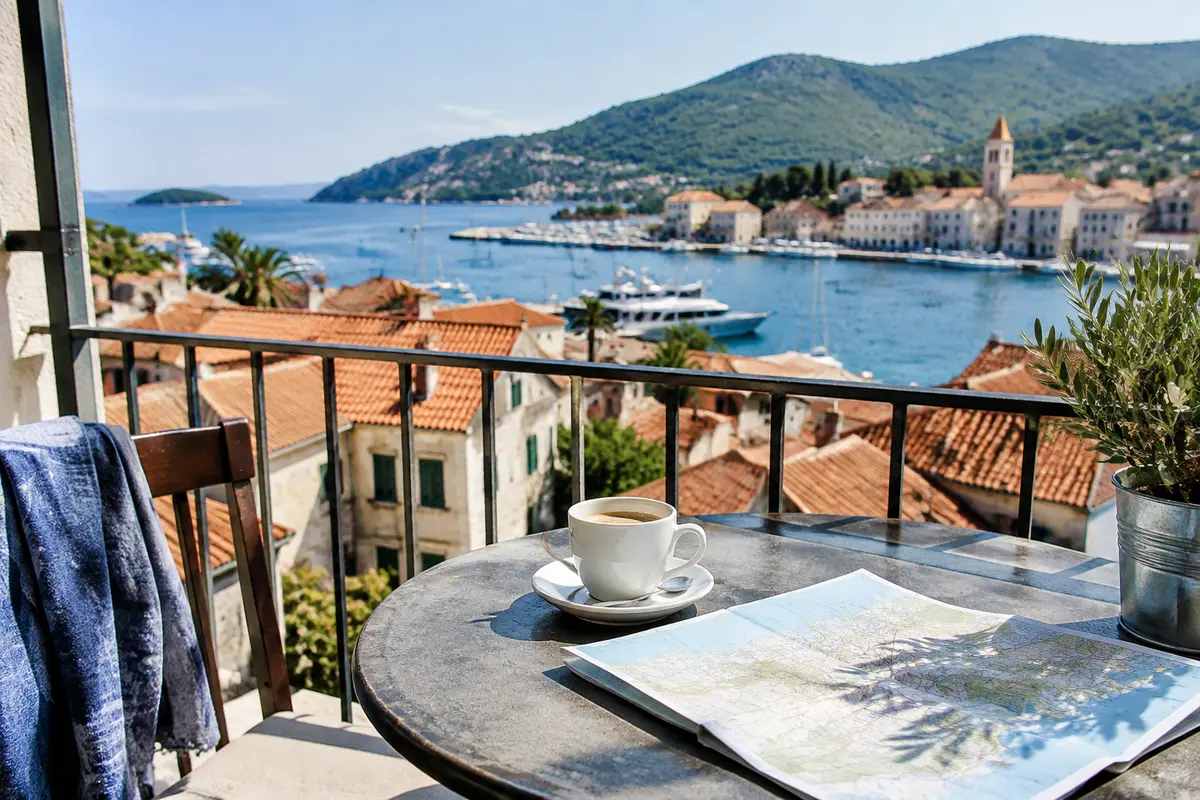
We set up at The Views Baía, a hotel perched above the city with wide views over terracotta roofs and the bay. It offered practical comforts — a restaurant, an outdoor pool and a spa with panoramic outlooks — plus a high-end dining option, Desarma, which carries a Michelin star and a matching price tag.
Winter road trip across Madeira’s perpetual-spring landscapes
Eric Dane’s widow reveals heartbreaking memories of his last days
South coast discoveries
Our roadside touring began with an unexpectedly engaging stop at the Banana Museum. The small exhibition traces the island’s long relationship with banana cultivation, and the café finale is memorable: banana beer alongside dense banana cake.
Further along the coast lies Ponta do Sol, a compact village where the Duke of Luxembourg Pier reaches into the Atlantic. The beach is pebbly but fine for a dip, and the town has become known as a hub for remote workers under Madeira’s digital nomad initiative — with sea views that make for hard-to-beat temporary offices.
Nearby is Câmara de Lobos, often called Churchill Bay after the painter statesman’s visit in 1950. Colourful fishing boats bob in the harbour and restaurants push their tables onto the pavements. We spent an afternoon sampling fresh seafood served, typically, with local banana accompaniments, and sipping poncho, a sugarcane-based drink.
Sharp scenery in the east
Driving east reveals a different island. At Ponta do Bode, red volcanic cliffs thrust into the sea, raw and striking. The coastline there feels more lunar than tropical.
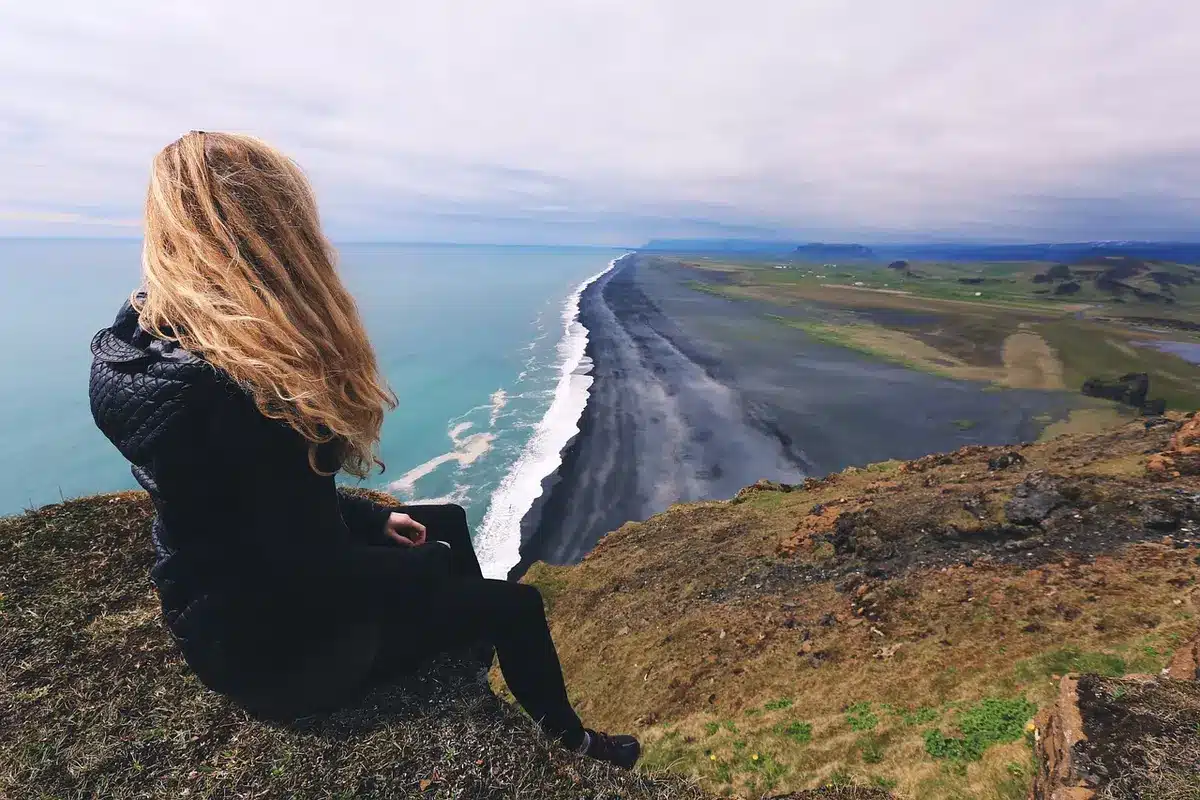
Not far away the Guindaste viewpoint offers a spectacle that invites comparison with Ireland’s own cliffs: steep rock faces dropping to the Atlantic, seabirds wheeling above and surf pounding below. The similarity is easy to see, though Madeira’s weather can switch fast; a sunny morning can end in a sudden shower as microclimates shift.
Santana, with its rows of triangular thatched houses painted white with red doors and blue trim, is one of the island’s most recognisable sights. It’s touristy, but the little cottages retain a fairytale charm.
Funchal at Christmas
Visiting at Christmas adds a bright, celebratory layer to the city. Streets are lit, nativity scenes appear in public squares, and the atmosphere feels both festive and local.
We began at the Mercado dos Lavradores, Funchal’s lively market. The building’s tiled interior frames stalls piled with tropical fruit, merchants selling colourful flowers and stalls offering crafts. It’s a vivid introduction to Madeiran produce and tradition.
A cable car ride to Monte gives a sweeping view of the city, the harbour and the green hills beyond. At the top, the Monte Palace Tropical Garden is a restful, exotic space of ponds, koi and sculptural plantings — the kind of place that rewards slow exploration. The wicker toboggans that descend from Monte are a famous novelty, though not advisable when nursing an injury.
New Year’s Eve in Funchal remains a highlight. Madeira’s fireworks display once held the Guinness World Record for size. At midnight the sky fills from multiple launch points — rooftops, hillsides and barges — producing an intense, ten-minute panorama of colour. Cruise ships in the harbour add to the spectacle, their horns sounding as crowds cheer along the waterfront and up the slopes above the city. We opted out of the hotel gala dinners — prices at our hotel were quoted at €220 for a dinner and around €600 at the Michelin restaurant — and watched instead from our balcony, which proved to be a superb vantage point.
Wild northwest: forest and lava pools
The island’s northwest is where Madeira’s more dramatic, untamed landscapes gather. Fanal, part of the Laurisilva Forest protected by UNESCO, is a place of twisted laurel trees and persistent mist. The atmosphere can feel almost cinematic.
Down the coast, Porto Moniz is famous for natural lava pools formed by the sea. They offer a sheltered swim while waves crash on the outer rocks — a distinctive way to feel the Atlantic without the full force of open water. We ended our day at Seixal, one of Madeira’s few sandy beaches; its black volcanic sand, framed by cliffs and a nearby waterfall, made for a dramatic and restful finale to the road trip.
Wrapping up
We didn’t get to walk the levadas on this visit, but exploring Madeira by car exceeded expectations. In a single day you can swim, climb into misty forests and dine at a restaurant with a Michelin star. The island’s variety is compact enough to see much of it in a short stay, and its landscapes reward both long hikes and leisurely drives.
Deirdre Mullins was a guest of Visit Madeira. For official visitor information see https://visitmadeira.com/en/. Discover more of her travel writing on Instagram: @deirdremullins.