Show summary Hide summary
A windswept isle, a luxury forest retreat and craft distillers are among the reasons to revisit counties Fermanagh and Roscommon. Around Lough Erne, local businesses and heritage projects are trying to revive tourism while showcasing rare woodland, millennia-old ruins and contemporary hospitality.
Devenish: monastery, round tower and pilgrimage
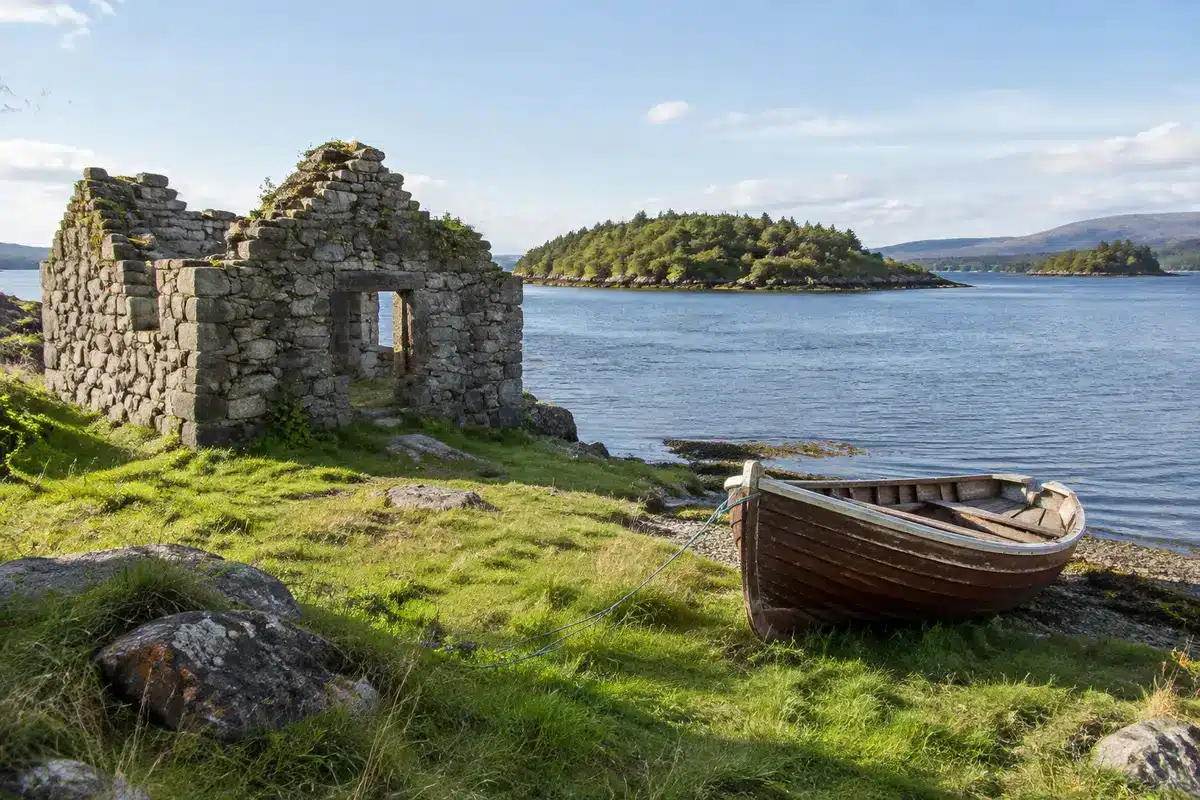
On a small, exposed island in Lough Erne, the remains of an early Christian settlement stand out against bright green grass. Devenish hosts three main structures: a weathered 12th-century chapel, a well-preserved 12th-century round tower and a 15th-century Augustinian priory.
Inside Ireland’s Hidden Heartlands: where history meets luxury
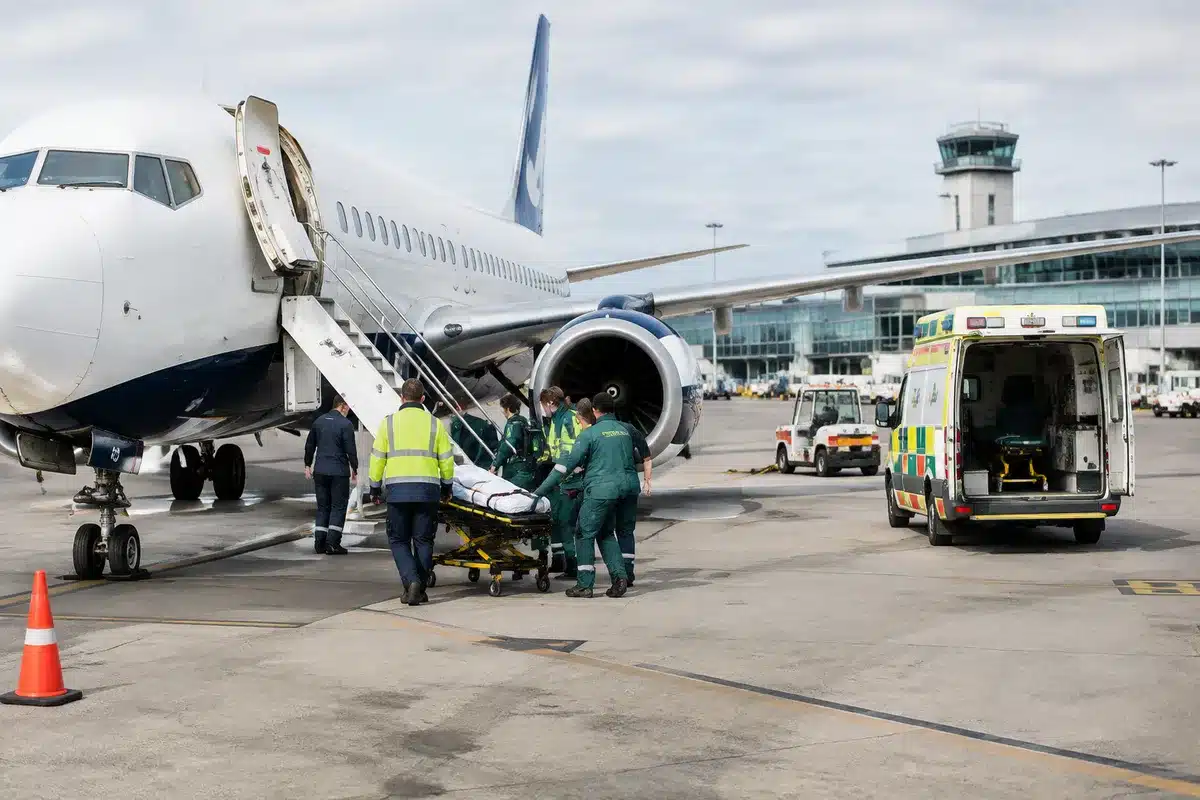
On-board emergency diverts Air France flight bound for Paris to Dublin
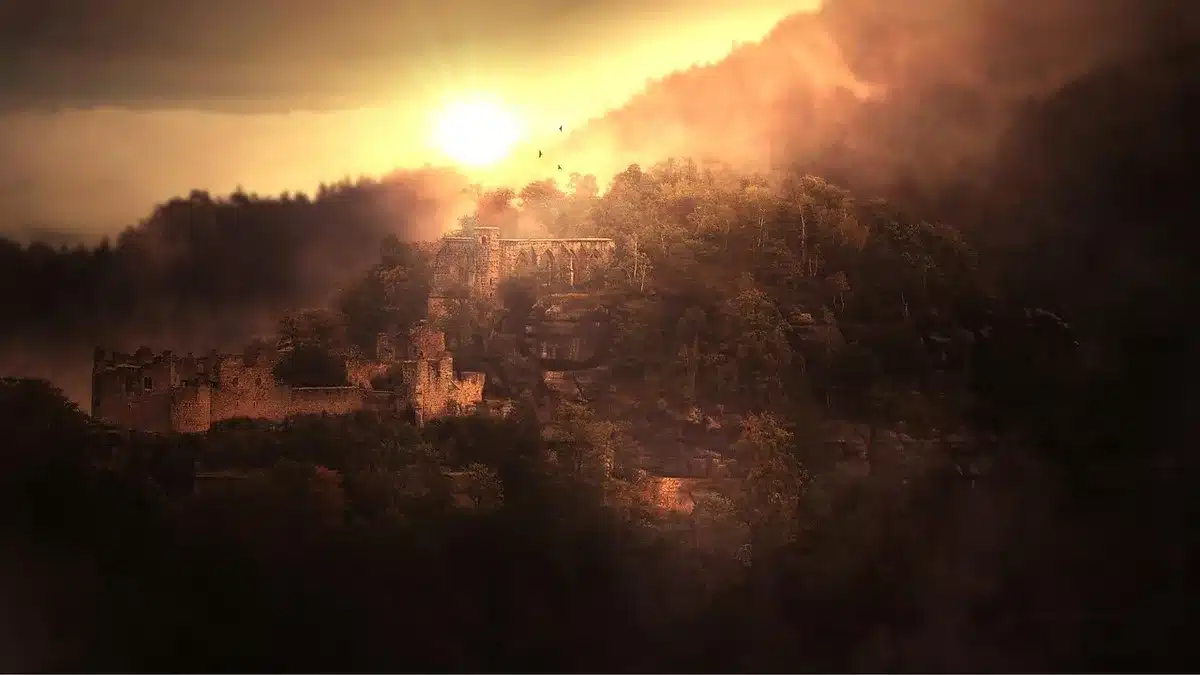
The site traces back to Saint Molaise in the sixth century and once supported a large monastic community. Boats moved along the Erne for centuries, carrying pilgrims onward to St Patrick’s Purgatory on Lough Derg in County Donegal, a journey considered spiritually significant for generations.
Accessible only by water, the island is quiet today. Visitors often explore its ruins in small groups, while regional authorities and historians seek to make the route more visible to modern travellers through the new Lough Erne Pilgrim Way, a 14-site boating itinerary that includes Devenish and nearby Enniskillen.
Forest bathing and spa rituals at Finn Lough
Nearby, Finn Lough positions itself as a high-end nature retreat woven into ancient woodland. The resort has created winding trails and a collection of spa experiences set among trees, from a salt flotation bath to saunas and guided lake swims.
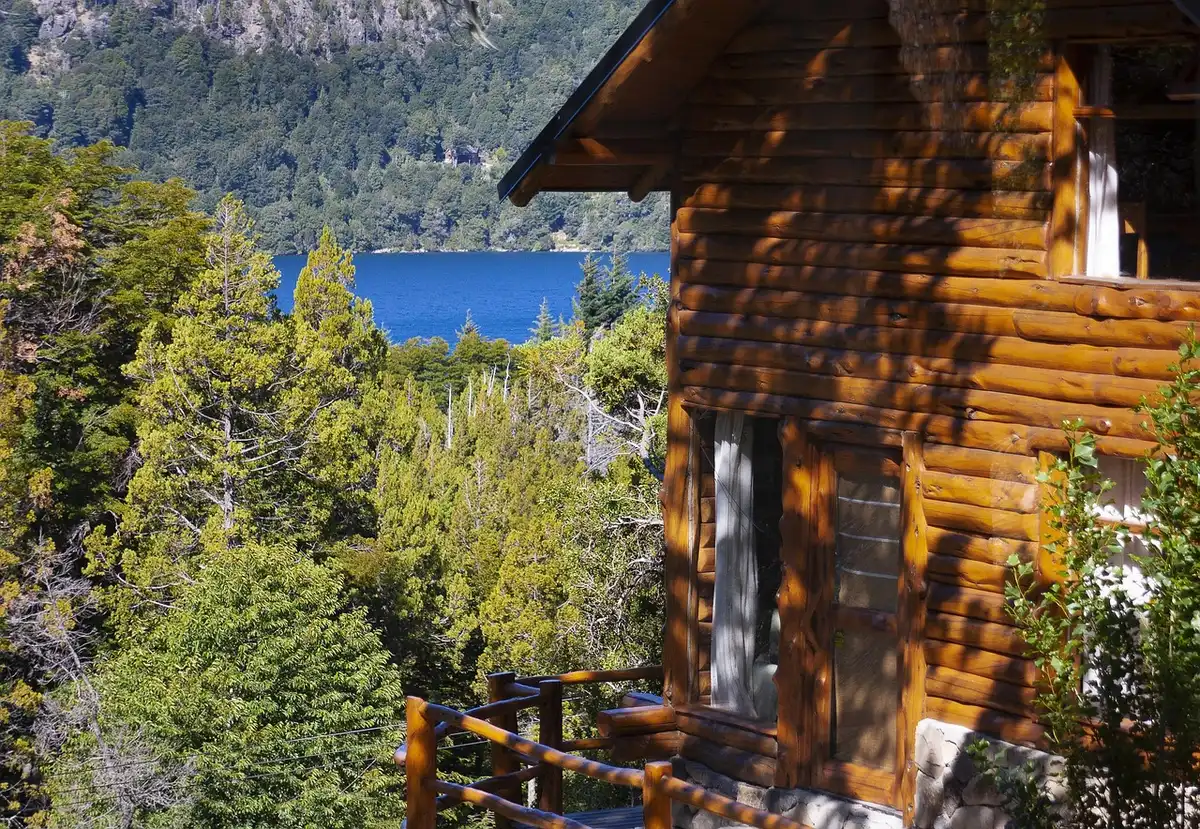
The two-hour Elements Spa Trail is priced at £70 per person for residents and £85 for day visitors. Guests move between therapies in small numbers, encouraged to relax away from crowds by staggered timings and discreet cues such as changing lights or sauna timers.
The forest is ecologically important: Fermanagh contains some of the last native Irish oaks. Wood cover on the island fell dramatically in the 20th century and has only partially recovered, making conservation central to the resort’s identity. Many of the suites are designed to feel immersed in nature; one Cove Suite resembles a bird hide overlooking the lake.
Commercial director Leo Nacer says local businesses are planning longer-term improvements, including proposals for an electric hydrofoil service to link Lough Erne’s towns in a way he compares to transport on Lake Garda. He also highlights a financial pressure on hospitality providers: Finn Lough pays 20% VAT, while some nearby operators pay 9% on food and 13.5% on accommodation, a difference he says affects competitiveness.
Small producers: gin with a dairy past
At the lakeside Boatyard Distillery, traditional craft meets local character. Founder Joe McGirr, who grew up on a dairy farm, repurposed stainless-steel milk tanks to make gin. The distillery now produces bespoke spirits for venues such as Claridge’s in London and a cocktail bar in Barcelona, while keeping a strong local presence.
Visitors sampled several gins as staff moved juniper and handled the stills. The distillery operates a refill scheme, encouraging customers to bring back their bottles for a discounted top-up, and is expanding tasting space into a larger building next door.
Underground time: Marble Arch Caves
Fermanagh’s landscape hides an ancient subterranean world. The Marble Arch Caves formed more than 340 million years ago and display a range of limestone formations. Guide Stephen Hewitt points out that stalactites grow at roughly one centimetre per hundred years, and the caverns create dramatic reflections in their pooled waters.
Boat trips through parts of the caves are usually possible, although heavy rain can close sections to visitors. The surface visitor centre provides geological context and a café for those not venturing below.
Athlone, Sean’s Bar and the whiskey trail
Further south, Athlone markets its long social history around the River Shannon. Sean’s Bar lays claim to being one of the oldest pubs in Ireland, with origins traced back to around 900AD. Publican Timmy Donovan notes the settlement grew around the crossing; the first wooden castle appears centuries later.
The bar remains a local meeting place and a draw for tourists. Measures of the area’s alcohol-making heritage extend beyond pubs: Donovan’s research into monastic distillation at sites such as Inchcleraun and Clonmacnoise underpins a forthcoming book and planned screen projects. He recounts, with rueful humour, that family dogs recently ruined some of his handwritten notes, delaying the manuscript.
Where to stay and practical information
Nearby accommodation options highlighted on this route include Finn Lough, where Cove suites start from around £650 per night, and Wineport Lodge on Lough Ree, with Lakeview suites from about £218 per person per night. Wineport is a four-star property offering a lakeside spa, seaweed baths, an infinity pool and a moored Dutch Steel Cruiser that sleeps up to six guests.
The trip described here was hosted by Tourism Ireland, Tourism Northern Ireland and Fáilte Ireland. For bookings and further travel information, visit ireland.com.