Show summary Hide summary
Baz Ashmawy has spoken about how his father’s early death has shaped his view of fatherhood and left him questioning whether he is doing enough for his own children. The broadcaster told the Irish Independent that reaching the age his father died has reopened old reflections about influence, absence and parenting.
Remembering his father at a pivotal age
Ashmawy said his father, Mohammad, died when Baz was young, and that he is now roughly the same age his father was at the time of his death. That coincidence, he told the newspaper, has brought those memories and what-ifs to the surface.
Baz Ashmawy on growing up without a father figure
Lotto winner faces five-day deadline to claim big prize
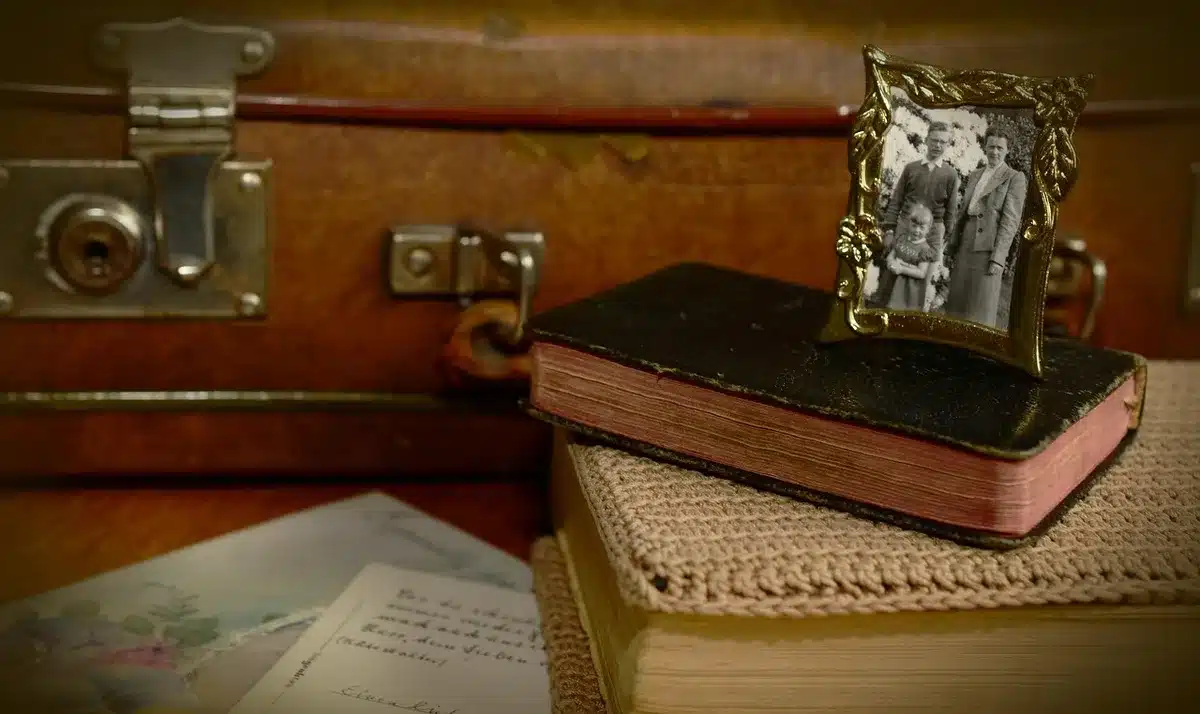
He described a recurring thought about missed opportunities for a father–son relationship and the small, everyday moments he never had with his dad. “You wish they’d have known you as a man,” he said, reflecting on how that absence shaped him.
How being raised by women influenced him
Ashmawy does not portray his upbringing as a regret. Instead, he credits growing up around women with giving him a different emotional perspective.
He said that experience fostered what he called a kind of female compassion, which has helped him relate to his daughters and approach parenting in a way he believes is distinct from a conventional male role model.
Balancing work, sacrifice and family time
One recurring worry for Ashmawy is whether his career leaves him short of time with his children. He acknowledged the trade-offs that come with working life and the need to check himself periodically.
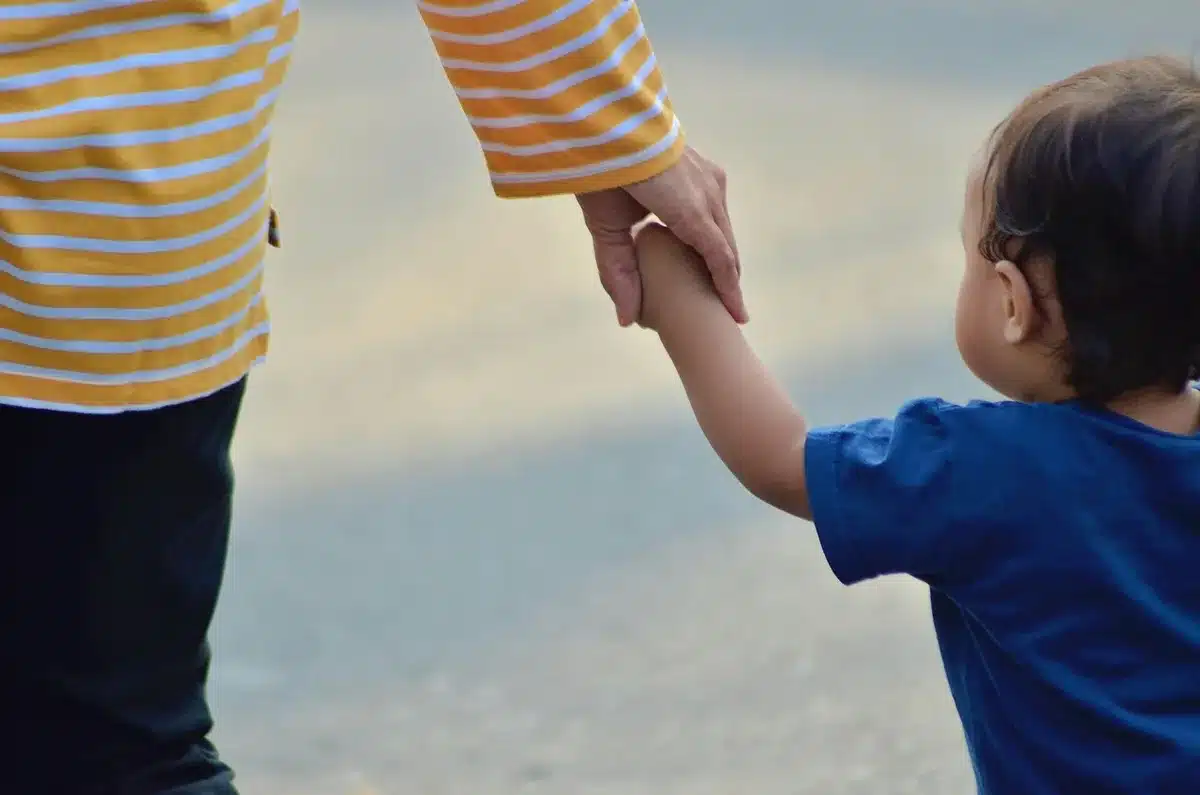
“Every now and then, I have to check myself on it. There’s always sacrifice, especially when you’re working,” he told the Irish Independent, underlining a tension familiar to many parents juggling careers and family responsibilities.
A private milestone
Separately, Ashmawy recently revealed that he and his partner, Tanja, married in secret in April. He shared the news as part of the wider conversation about his family and personal priorities.
His comments offer a candid look at how loss and upbringing continue to inform his role as a father, and at the compromises public figures often make between work and family life.