Show summary Hide summary
Hotel deal-making in Ireland cooled sharply in the first half of 2026, yet steady visitor numbers, an active development pipeline and improving insolvency stats point to a sector that is coping better than headline transaction totals suggest. Figures published by Fáilte Ireland underline a market in transition rather than collapse.
Fewer sales, but not a market exit
Between January and June 2026 just seven hotel sales completed, with a combined value of €82.75 million. That is a marked fall from the roughly €340 million of transactions recorded in the same period a year earlier.
Regional deals shape Ireland’s hotel investment landscape
Clodagh McKenna says husband Harry is considering an Irish passport
Industry observers say the drop largely reflects a lack of very large deals this half-year, not an across-the-board retreat by investors. In 2025 the market saw €1.6 billion of hotel transactions, fuelled by the high-profile Dalata sale. Excluding that exceptional deal, last year’s activity totalled €457 million — a reminder of the scale against which current volumes are measured.
Investment shifts to the regions
All completed transactions in H1 2026 took place outside Dublin, with properties changing hands in Kerry, Meath, Donegal, Sligo, Cork and Clare.
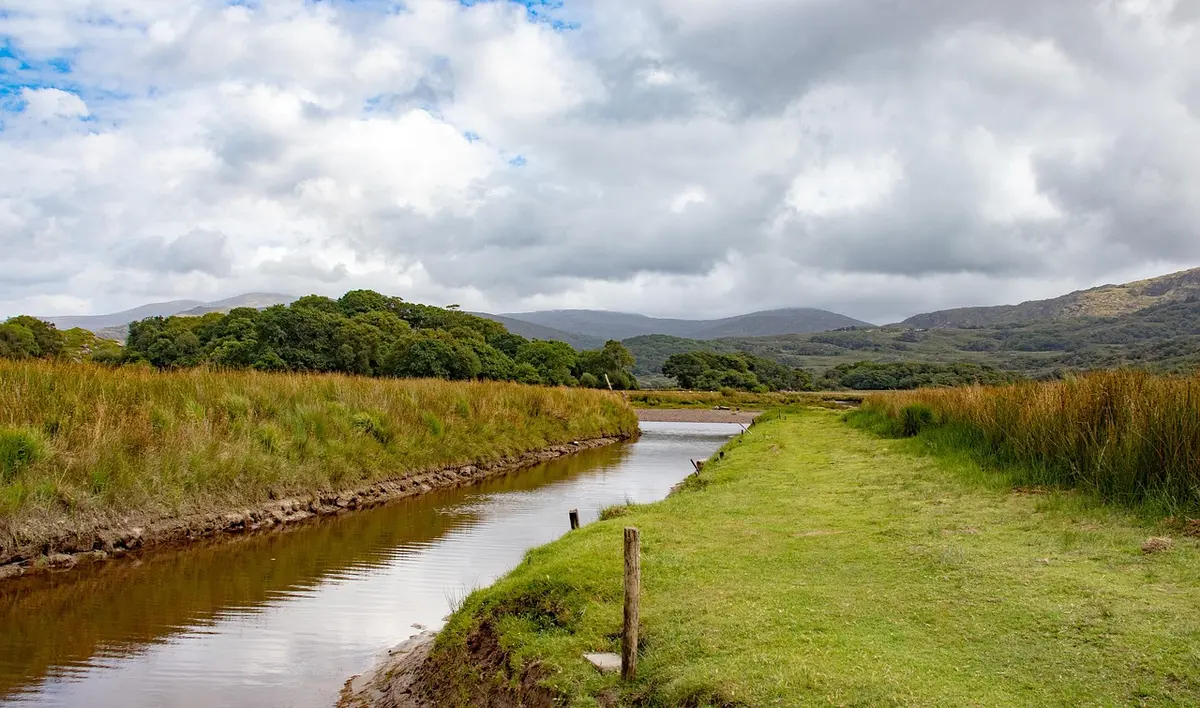
The International Hotel in Killarney, Co. Kerry, was the biggest headline deal, fetching €22 million — a price equating to €224,490 per bedroom, the highest per-key level recorded during the period. The Radisson Blu in Donegal sold for €16 million.
Two regional properties — the Yeats Country Hotel in Sligo and the Hydro Hotel in Clare — were acquired by local buyers after government accommodation contracts at both sites ended. That pattern highlights how local demand and government arrangements can shape ownership changes outside the capital.
For investors, regional hotels offer exposure to leisure tourism, domestic travel and steady international arrivals. Several notable assets remain on the market, including the Dublin One Hotel (€46 million), Mount Falcon Hotel in Mayo (€10 million), the Leeson Inn in Dublin (€8.5 million) and the Seven Oaks Hotel in Carlow (€7.5 million).
Visitor demand remains robust
Underlying travel trends have been favourable. Overseas visits reached 3.2 million in H1 2026, an increase of 15% compared with the same period in 2025, according to Fáilte Ireland.
Domestic tourism also grew: Irish residents undertook 2.96 million domestic trips in Q1 2026, up 6% year on year. That mix of international and home-market demand supports occupancy and revenue prospects, particularly at regional properties that rely on both markets.
Signs of stabilisation in the wider sector
Hospitality insolvencies fell during the first half of the year. There were 57 recorded cases in H1 2026, a 14% decline from the previous year.
Most insolvencies involved bars and restaurants, and the average age of affected businesses was about 10.5 years. Despite the improvement, operators continue to face pressure from staffing costs, energy bills and inflation.
The reduction of the VAT rate to 9% from July 2026 may ease margins for eligible businesses, though any benefit will vary by operator and cost structure.
Outlook for the rest of 2026
There are early signs that larger transactions could reappear before year-end. One potential major deal under reported consideration is a €95 million acquisition by MHL Group of two Dublin airport hotels from Tifco Hotel Group.
The proposed package would include the Crowne Plaza Dublin Airport and the Holiday Inn Express Dublin Airport and is subject to approval by the Competition and Consumer Protection Commission (CCPC). If completed, it would materially raise aggregate investment volumes for 2026 and indicate renewed appetite for sizeable Dublin assets.
For now, the market balance will depend on buyer sentiment, pricing expectations and financing terms. Meanwhile, steady visitor flows and a pipeline of listed properties mean opportunities persist for investors prepared to look beyond short-term headline figures.