Show summary Hide summary
Maria Vorontsova, the eldest daughter of Vladimir Putin, has outlined plans for a Russian-developed anti-ageing pill, saying the effort is driven by what she called “the existential fear of death.” Her comments come amid reports that the Kremlin has poured large sums into longevity research, a programme officials say has attracted roughly €25 billion in funding.
A scientist close to power
Vorontsova, a 41-year-old endocrinologist, leads a state-backed genetics programme in Moscow and has emerged as a prominent figure in Russia’s longevity research. She spoke about the project on Russian state television, framing it as both a scientific and social initiative.
How parenthood has humbled Noel Gallagher
Putin’s daughter announces scheme for anti-ageing pill aimed at defeating death
On air she said the project’s “main driver” is “the existential fear of death,” and added: “Russia has every chance of being the first to invent a pill against ageing. It is important to establish the criteria for who should be prescribed this pill… I think that within the next 10 to 20 years, we will definitely develop this new component of the healthcare system.”
Laboratories, grants and state backing
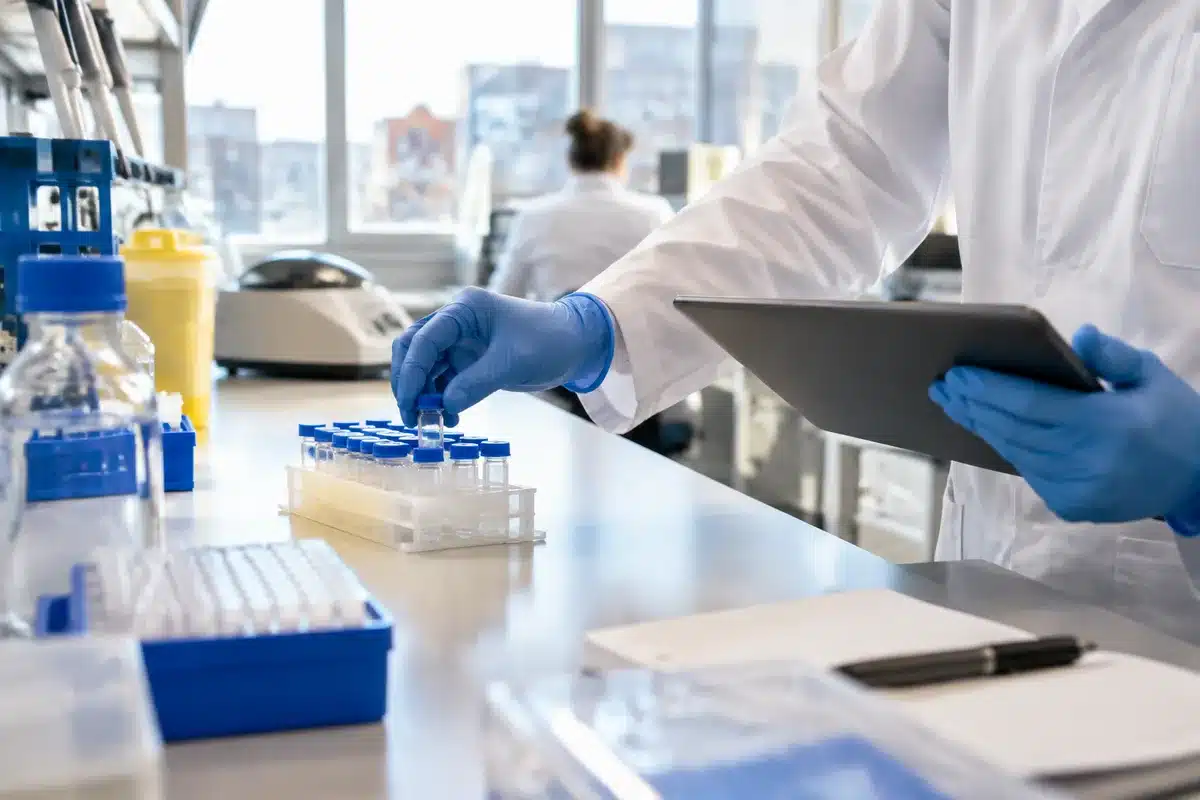
Vorontsova’s remarks coincided with the opening of a longevity laboratory at the Skolkovo Moscow School of Management’s Centre for Healthcare Development. The facility forms part of a broader push into ageing and regenerative medicine.

Last year she received a grant of about €320,000 from the Russian Science Foundation to support a laboratory focused on cellular renewal and “active longevity.”
Reporting in May by the Wall Street Journal said the programme under Kremlin patronage includes ambitious projects such as organ printing, gene therapy and xenotransplantation using minipigs, and that elements of the work are overseen by figures close to Mr Putin.
High-level conversations about life extension
Russian state-linked coverage has also linked the longevity push to comments reportedly made by Mr Putin during a 2025 military parade in China. According to reports, an interpreter relayed that human organs might eventually be transplanted repeatedly, extending lifespan.
Chinese leader Xi Jinping was said to have responded: “Some predict that in this century humans may live to 150 years old.” At a later AI conference, Mr Putin was quoted as saying: “It is probably possible to reach 150.”
Those public remarks and the visible funding of laboratories underline a sustained Kremlin interest in biotechnology and ageing research. How quickly any practical therapies might emerge remains a scientific and regulatory question beyond the statements and plans outlined so far.