
Show summary Hide summary
A new Dublin production is putting the women of Ireland’s revolutionary era at the centre of the stage. Mná na hÉireann uses traditional performance forms to revisit the years between 1912 and 1918 and the contributions of women too often left at the margins of the story.
A stage for women of the Rising
Presented at Dublin’s Ambassador Theatre, close to locations associated with the 1916 Rising, the show focuses on figures such as Countess Markievicz, Elizabeth O’Farrell, Dr Kathleen Lynn, Winifred Carney and Grace Gifford. It aims to restore those lives to public view through a concentrated theatrical portrait.
On-board emergency diverts Air France flight bound for Paris to Dublin
Review: Mná na hÉireann offers a compelling reappraisal of the women behind Ireland’s story

The production was created by Carol Leavy Joyce, a former Riverdance Irish Dance Director and three‑time World Irish Dancing Champion. Her background in dance is central to the piece’s artistic choices.
Movement as storytelling
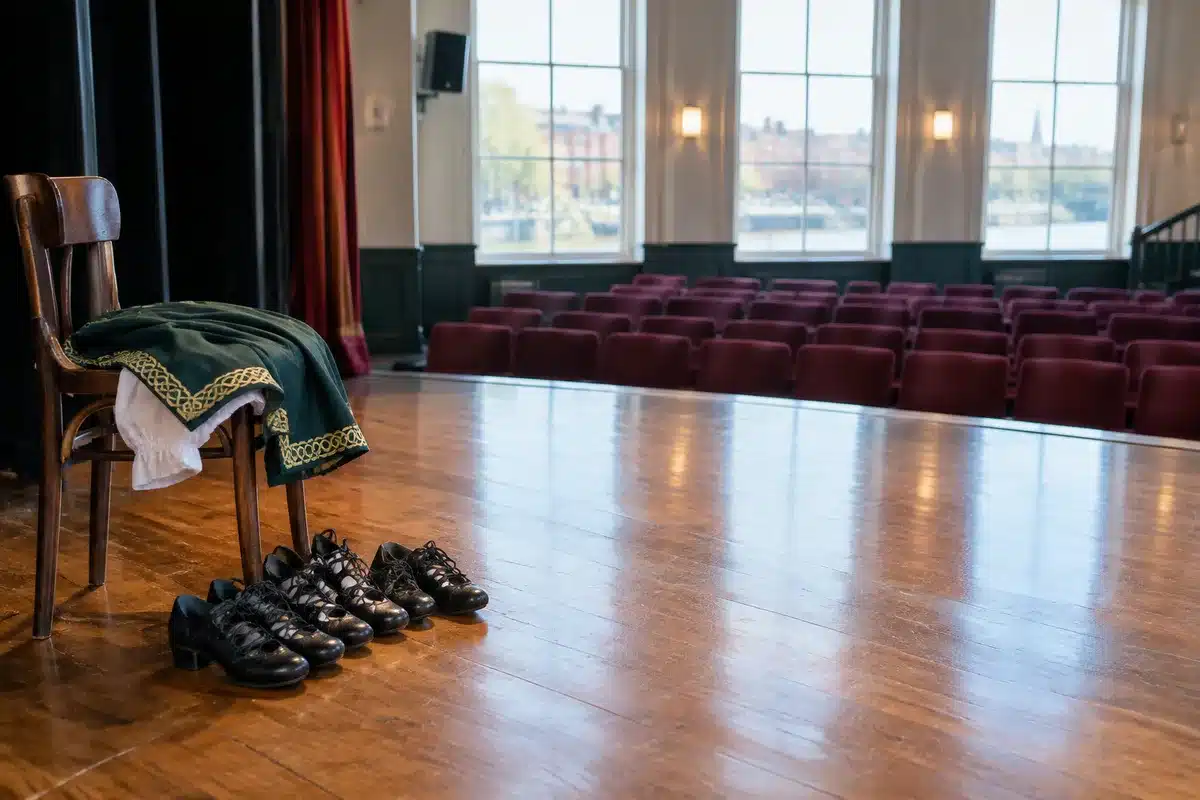
Rather than relying on extended spoken dialogue, the narrative is carried largely through dance and visual elements. Irish dance functions as a primary narrative language, while poetry and imagery add layers of context.
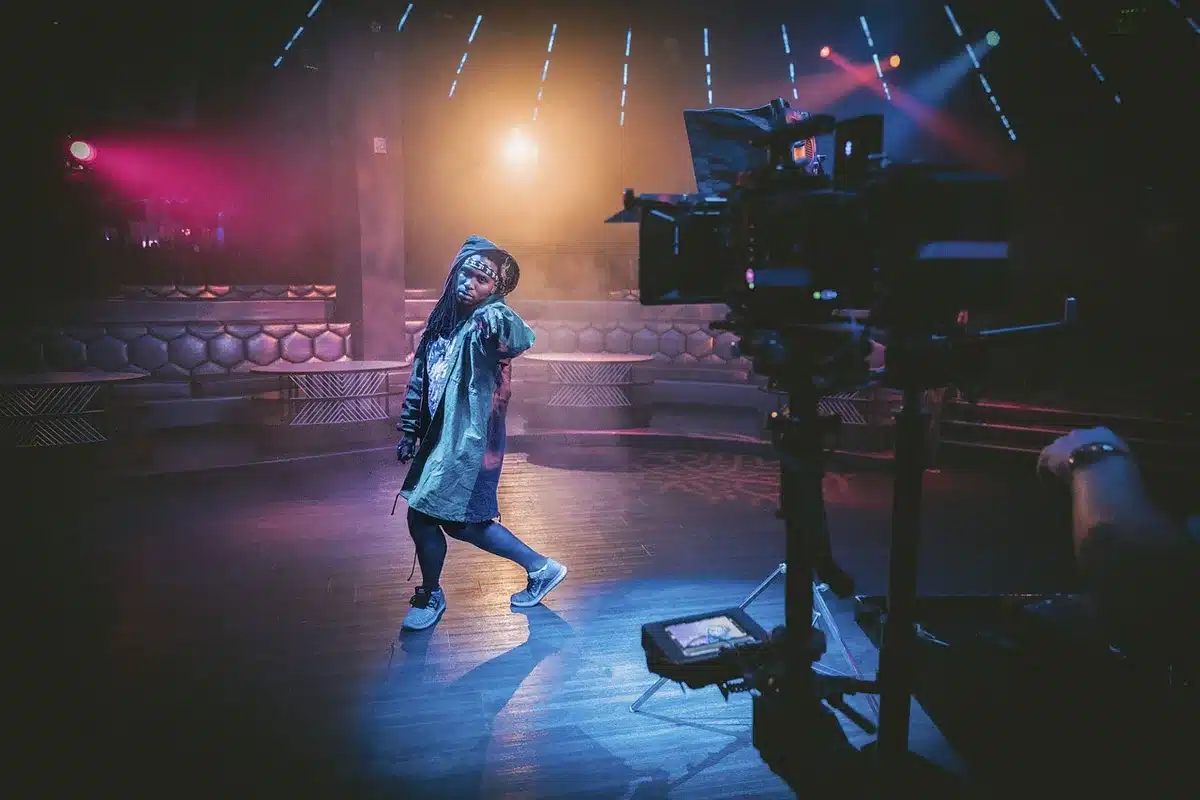
That approach can demand adjustment from audiences used to conventional theatre. Some viewers may find themselves wishing for more spoken text early on, but the work increasingly communicates through rhythm and gesture as it unfolds.
Music and choreography: framing emotion
An original score by Áine McGeeney underpins the action, shifting from defiance to grief and quiet courage. Choreography and music together aim to translate historical feeling into immediate, performative moments.
There are sequences of forceful, compact choreography and quieter, intimate scenes. The contrast helps the production move between collective struggle and personal loss without explanatory dialogue.
Standout moments
One scene that many audience members are likely to remember stages the wedding of Grace Gifford and Joseph Plunkett in Kilmainham Jail. Through song and movement, the moment evokes the tenderness and tragedy of that brief union before Plunkett’s execution.
Why it matters
Mná na hÉireann offers a different way into a familiar chapter of Irish history. By prioritising traditional performance forms, it gives voice to women whose roles in the revolutionary period have often been underplayed.
For viewers seeking an emotionally driven, visually centred reappraisal of the past, the production provides a fresh and earnest perspective.