Show summary Hide summary
A Michelin-starred dinner persuaded me to leave the motorway and spend a few days rediscovering East Galway. What followed was a blend of fine food, hands-on nature experiences and stark reminders of the region’s past—places I had driven past for years but rarely explored properly.
A meal that anchors a detour
At the heart of my detour was Lignum, a converted barn set on the family land of chef Danny Africano just outside Loughrea. The restaurant’s single Michelin star has turned it into a culinary destination, and on the night I visited several tables were filled by people who had travelled specifically to dine there.
From Michelin lemons to native bees: East Galway’s dark history
Could Joanne McNally be about to leave Celebrity Traitors?
The opening dish arrived looking improbably fresh: a lemon, twigs and leaves still attached, perched on crushed ice and concealing a lemon sorbet finished with olive oil. My server explained that Danny’s father had picked the fruit at a market near Pompeii and sent it over to the kitchen. She summed it up as “a little taste of Amalfi”—an apt nod to the chef’s Italian roots in a very Irish setting.
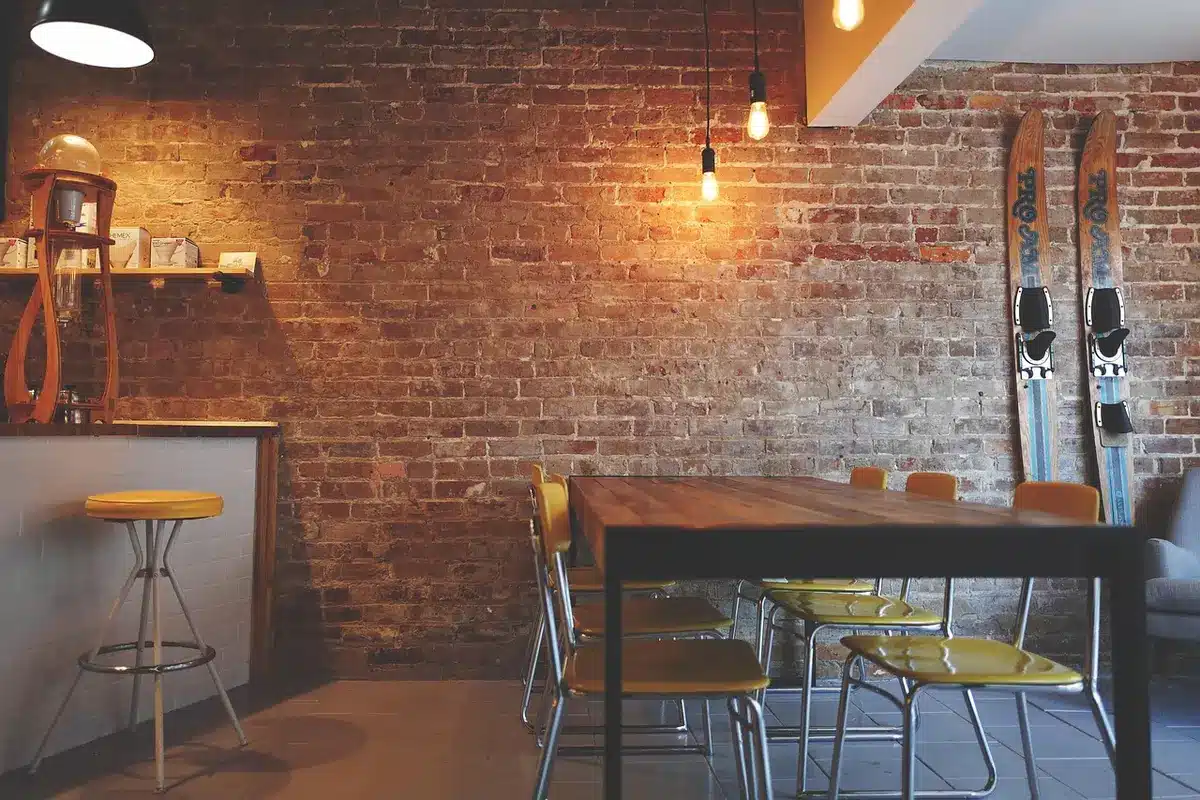
Inside, charred timber, black slate and sheepskin throws framed a central fire and a domed wood-burning oven. The space felt warm and considered rather than formal. Danny and his wife, Molly Keane, run the place together; their attention to detail shows in everything from the interiors to the wooden-handled cutlery.
The menu merged Irish ingredients with Mediterranean flavours, reflecting Danny’s mixed heritage. Over a ten-course tasting menu priced at €165, I was served 20 small dishes. Highlights included an Achill lamb course—an aged rack accompanied by sausage, sweetbread, shiso and apricot—that made me enjoy sweetbread for the first time.
Lignum’s success has visitors coming from afar. That evening Americans occupied several tables and one group had flown from London for the meal. Danny and Molly say they hope to add accommodation on the property, turning the restaurant into a short-stay destination.
Bees, honey and local generosity
Not far from the restaurant, a narrow boreen led me to the apiary of Noel Leahy, a fourth-generation beekeeper with more than 300 hives in the foothills of the Sliabh Aughty mountains. Noel offers personalised 90-minute tours; the rate is €150 for one or two people, with reduced prices for larger groups.
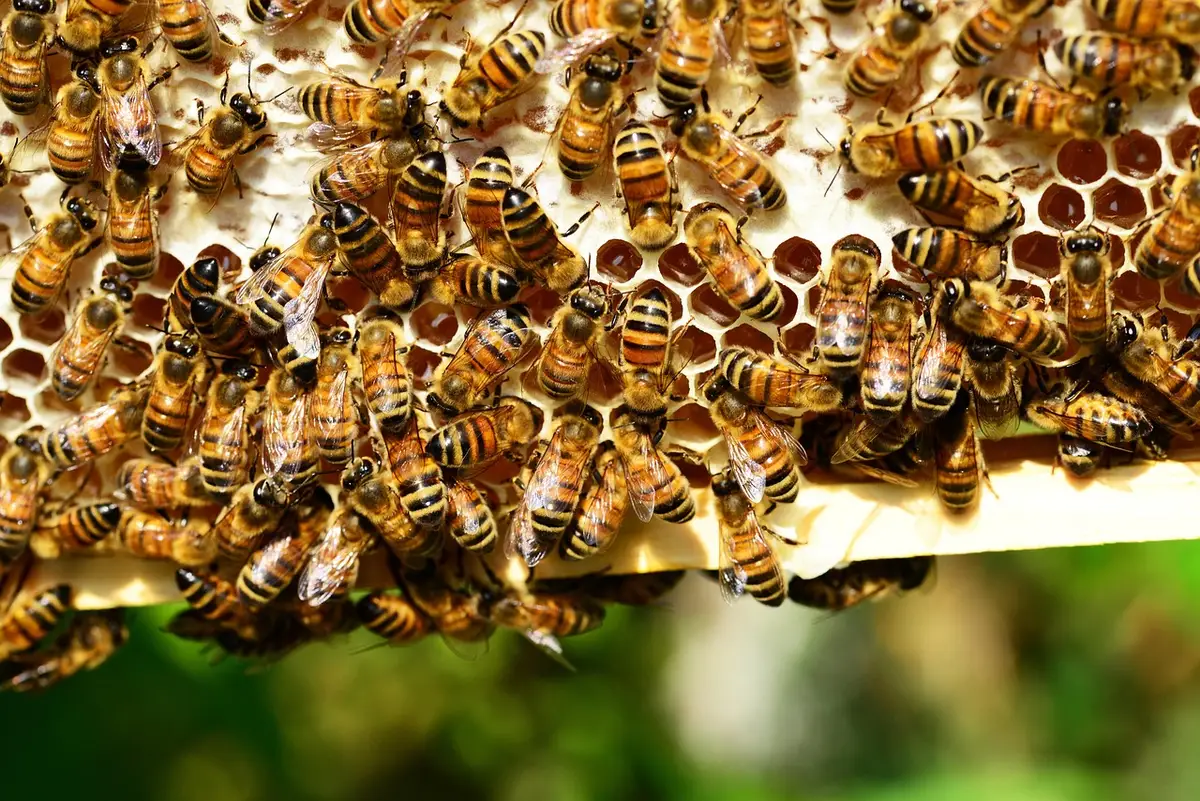
In full protective gear, I watched Noel work calmly among the colonies. He used a smoker to soothe the bees and lifted a frame so I could hear the dense hum. The queen was easy to spot by a small white mark. Noel’s gentle, deliberate handling underlined how careful practice keeps the bees settled.
Back at the family table we tasted a range of honeys—wildflower, mountain heather, smoked and a spicy ‘hot’ variety—paired with local cheeses. The wildflower honey was particularly memorable. As I left, Noel’s daughter Aoife handed over a bag of blackberries and garden grapes; the sense of local abundance was tangible.
From the workhouse to the big house
Portumna presents contrasting chapters of Irish history close together. At the Irish Workhouse Centre, a guided tour makes the institution’s austere world tangible. Our guide described how inmates often survived on two meagre meals: a thin porridge known as “stirabout” and boiled potatoes. At times, sawdust was mixed into the porridge to bulk it out, with predictable health consequences.
The tour traces the workhouse’s deliberately harsh rules: family separation on arrival, bans on hugging and speaking in certain contexts, and crowded dormitories with straw-filled mattresses and worn blankets. Holographic projections reinforce the darker details, including the story of Henry Ogle, the workhouse’s first master, who left for America in 1865 amid allegations of abuse and financial wrongdoing.
Just down the road stands Portumna Castle, once the seat of the de Burgo family. Built in the early 1600s, the house was left roofless after an 1826 fire. Today the restored ground floor hosts an exhibition on the castle’s history. Our guide, Tony, recalled playing in the ruins as a boy before restoration ended that pastime; he now leads visitors through the building’s layered past.
The juxtaposition is striking: Portumna allows visitors to see both the institutional hardship of the workhouse and the relative splendour of the landed house, a reminder of how social and economic power was organised under the Poor Law system—including the role local landowners played in funding workhouses.
Trails, water and village life
Portumna’s lakeside and woodland make the area ideal for short breaks. I collected a hire bike from Dick, whose enthusiasm for the town matched his detailed route suggestions. He and his wife run a nearby glamping site with cosy pods and shared spaces for guests.
I followed the Blueway cycle path to a blue-flag swimming area on Lough Derg, then rode to the marina, where families fed ducks and anglers cast lines. From the harbour I cycled into Portumna Forest Park. The park’s flat trails run beneath tall trees and offer a chance to spot fallow deer, foxes and the shy pine marten. Entry is free.
Athenry’s medieval story
My final stop was Athenry, known to many through the song “The Fields of Athenry” but also one of Ireland’s best-preserved medieval towns. The centre includes a Norman castle, medieval walls, a Dominican abbey and the North Gate.
An enthusiastic local guide, Adrian, led me around the 13th-century castle, where entry is €5. He pulled out a book of local surnames and looked up mine, tracing the name’s Anglo-Norman connections to counties such as Clare, Cork and Galway.
By the time I headed back to the motorway I understood why this stretch of east Galway deserves more than a drive-through. Between inventive cooking, hands-on rural experiences and layered history, the region rewards a slower pace and a short stay.