Show summary Hide summary
A first visit to Türkiye revealed glaringly blue water, layered history and a food culture that treats breakfast like a ceremony. I travelled at the end of September — flying direct from Dublin to Antalya — and found bustling coastal towns, Roman ruins and unexpected local habits that linger long after you leave.
Turquoise coast and seaside towns
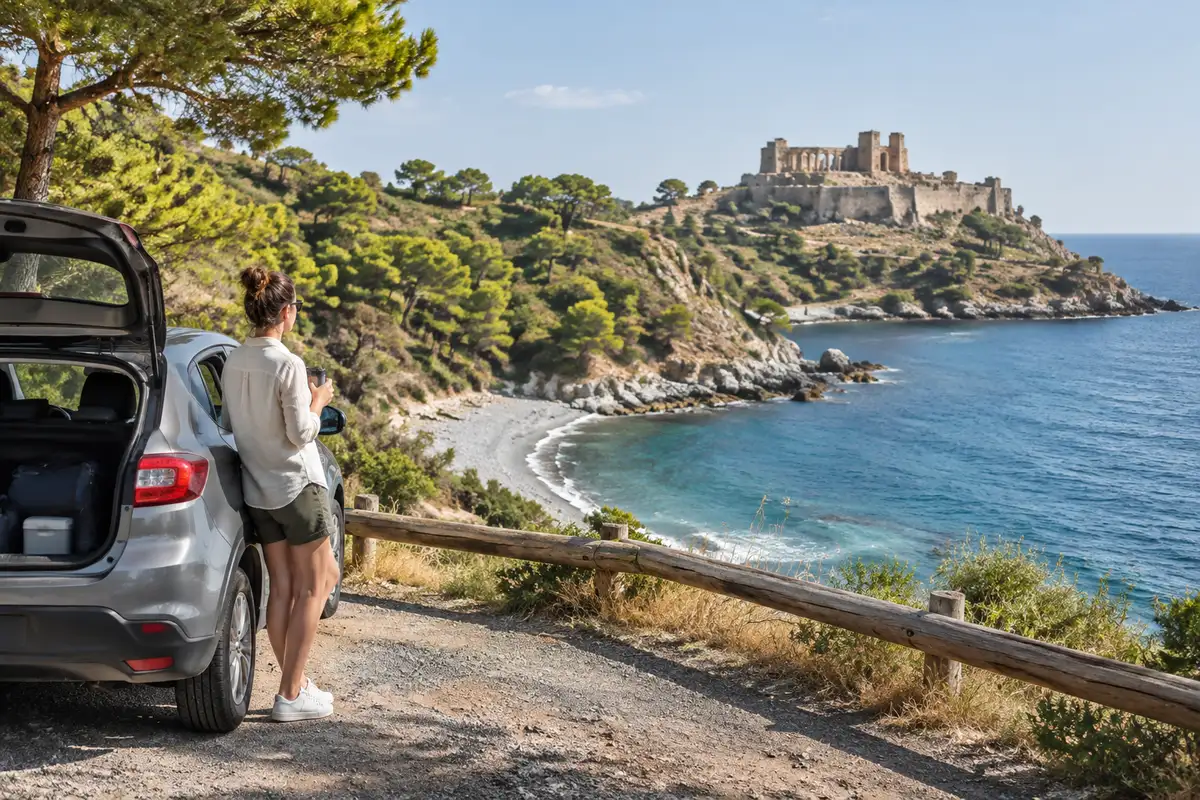
We picked up a rental car in Antalya and drove along the scenic Mediterranean shoreline known as the Turkish Riviera. The road itself feels like an attraction: sea views alternate with pine-covered slopes and tiny fishing villages, and ruins appear where you least expect them.
Exploring Türkiye’s heritage, cuisine and breathtaking scenery
Galway eatery placed in global top 1% of restaurants
Konyaalti is a seven-kilometre stretch of pebbly beach backed by the Taurus mountains. We stayed a short walk from the shore and began most days with iced lattes from Surf Coffee before heading straight into the clear water.
Olympos stood out as one of the most atmospheric sites. Dating back to around 300 BCE, its ruins are scattered through a pine valley and lead to a quiet pebble beach. Entry fees were €10 for tourists and €3 for locals.
Boat trips, coves and the sunken city
Kaş is a small harbour town full of narrow lanes and quiet bays. From there we booked a €25 boat trip that visited four swimming coves and the partially sunken city of Kekova, a highlight for swimmers and snorkellers.
On Kekova, a café called “I Am Here” is known for Turkish goat’s milk ice cream and a terrace with postcard views. Another favourite spot along the coast was the protected cove of Radyofar, where two sun loungers and access to showers cost about 400TL (roughly €7). The venue even boasts a cliffside mirror for adventurous selfies.
Food that rewards lingering
Breakfast in Türkiye is a proper affair. Coffee and a pastry won’t cut it; a typical morning spread includes several plates of cheeses, eggs, breads, olives and tomatoes. The skillet dish menemen — eggs cooked with peppers, tomatoes and olive oil, served from the pan — is a must-try.
As a vegetarian I didn’t miss out. Turkish cuisine places a strong emphasis on fresh, seasonal ingredients and offers many satisfying options.
- Pide — a boat-shaped flatbread often called Turkish pizza.
- Mercimek çorbası — warming red lentil soup.
- Çiğ köfte — plant-based bulgur patties wrapped in lettuce.
- Gözleme — griddled flatbreads with cheese, spinach or spiced potato.
Visit a local lokanta if you want to taste a bit of everything. And expect to be offered çay — black Turkish tea served in a small glass — after meals.
Antalya’s old town and Roman traces
The city of Antalya deserves time to wander. Hadrian’s Gate, erected in 130 CE to mark Emperor Hadrian’s visit, still frames one approach to the historic centre. Cobblestone lanes in the old town hold boutiques and souvenir shops, and the harbour makes for a memorable sunset.
Everyday life, small rituals and a phrase to remember
Cats are woven into daily life here; they roam freely and are often petted by passers-by. Locals joke about the informal “cat tax” at restaurants — a light-hearted way of sharing scraps with feline visitors.
A simple Turkish phrase made a noticeable difference during the trip. Say “Kolay gelsin” to someone at work — it means “may it come easy to you” — and you’ll earn smiles. (I mention this as someone who’s kept a long Duolingo streak.)
Practical notes: we travelled late September to avoid peak heat and found direct flights from Dublin to Antalya convenient. Renting a car allowed us to explore beaches and ruins at our own pace.