Show summary Hide summary
I decided to test a travel trend sweeping younger generations: deliberately doing very little while on holiday. As a self-confessed millennial who usually treats trips like to-do lists, I flew to Estonia to see whether “room-rotting” could really reset a frazzled brain.
From checklist tourism to deliberate idling
For years my travel diary read like a highlights reel. I chased photographed vistas, queued for the perfect Bali shot and hurried through museums so I could tick another landmark off my list. The result was exhaustion disguised as productivity.
Would you book an overseas break just to spend it in bed?
Baz Ashmawy on growing up without a father figure

That pattern has begun to wobble. A 2026 Airbnb report highlighted a shift among younger travellers: many prefer quiet stays and spend large portions of their trips inside their accommodation. The home-away-from-home is becoming the destination.
Choosing Estonia
I picked Estonia partly on instinct and partly on recommendation. The country, with a population just over one million and more than half its land covered by forests and wetlands, was recently listed by BBC Travel among the five best destinations for solo female travellers. It felt like a sensible place to attempt slowing down.
Kurro Spa: a controlled experiment
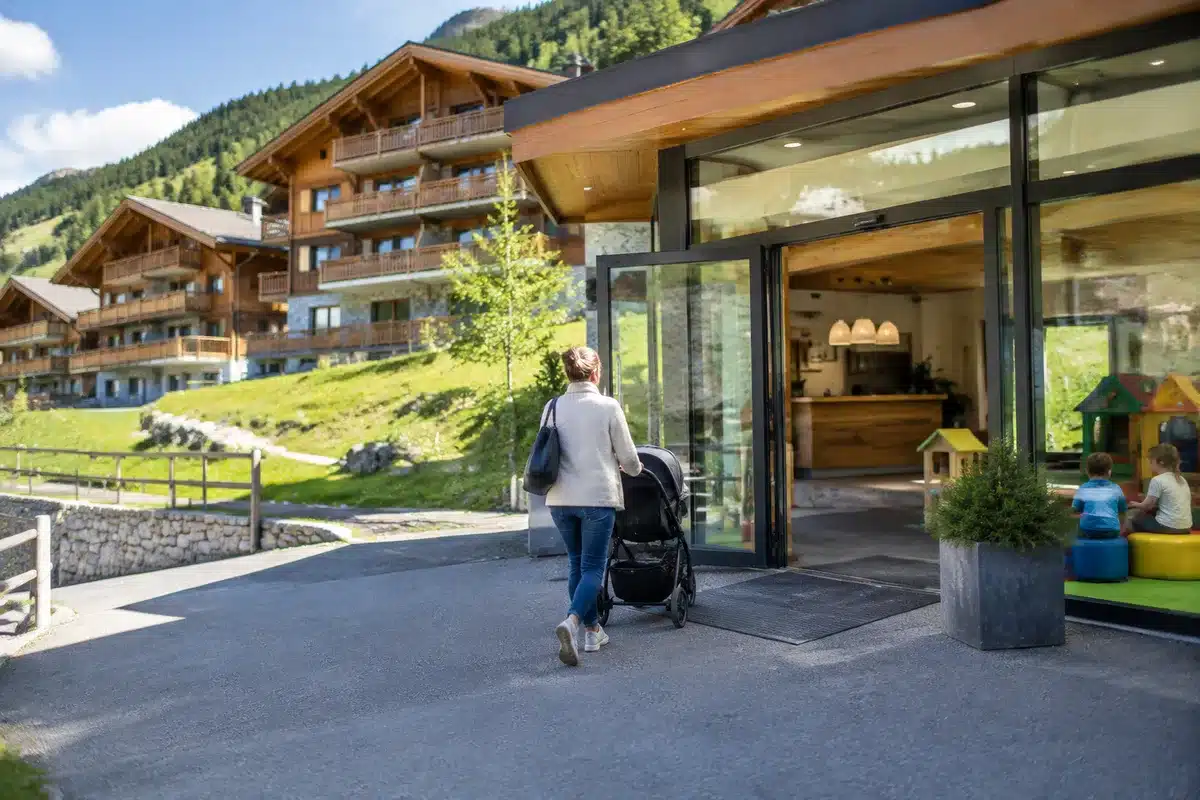
Eastern Estonia is seeing a surge in wellness offerings, and my base was Kurro Spa, a nature hotel set between Alutaguse forest and the northern shore of Lake Peipus. The hotel’s CEO, Killu Maidla, says the aim is simple: help guests put phones and overactive thoughts aside.
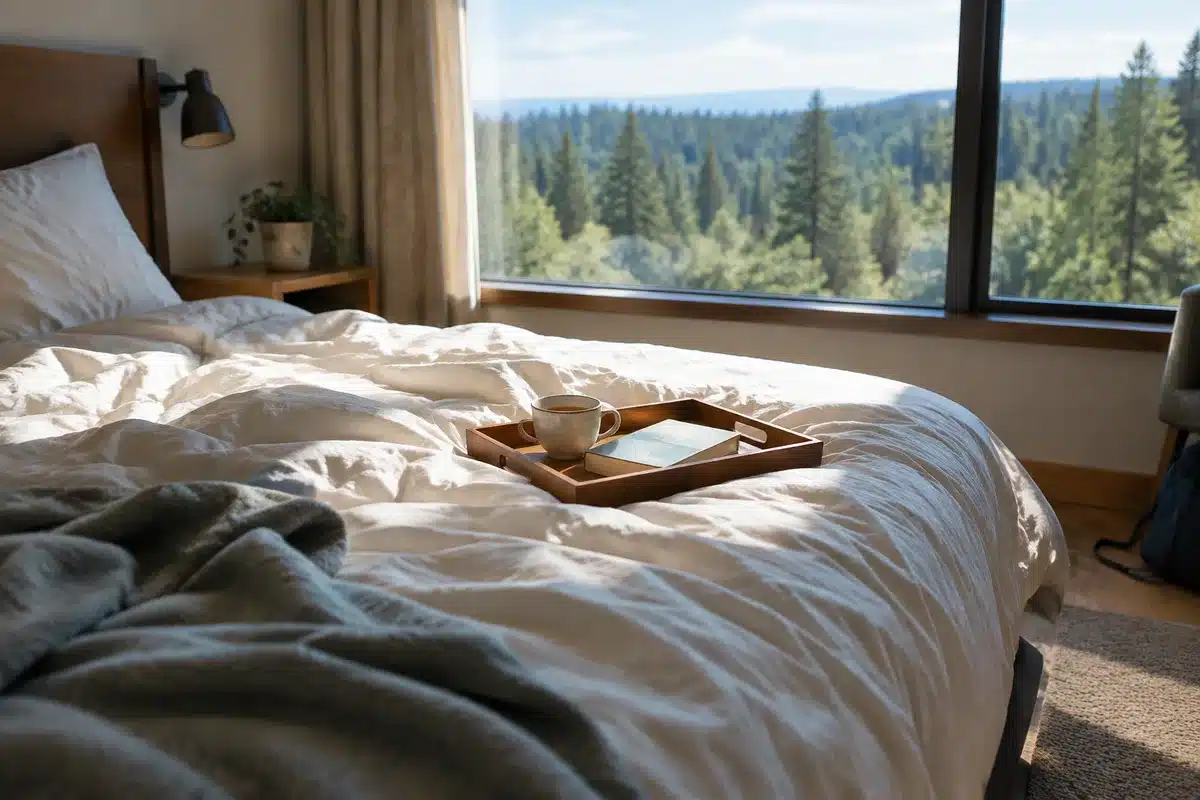
Inside the lobby, soft lighting and wood panelling did much of the heavy lifting. My room followed a pared-back Scandinavian aesthetic—muted colours, clean lines and a bathroom that felt almost like a planted conservatory. It was the sort of space designed to encourage slow movement.
The spa itself is deliberately varied. There are seven saunas divided into two moods, Glow and Ash, plus pools, jacuzzis and a cold plunge. I started in a wood-shaving sauna, graduated to a Finnish room that can reach around 100°C, and then plunged into icy water. I booked a sound bath and, for a while, convinced myself the experiment was working.
Where the experiment faltered
But the illusion of calm can be fragile. My relaxation came with invisible targets: complete the sauna circuit, finish the book, leave feeling transformed. I realised I had turned doing nothing into another item to accomplish. That was the opposite of the point.
I needed to loosen the rules. So I stopped policing every hour of my day. I listened to my politics podcast. I turned the TV on. And then I accepted that part of resting might include stepping outside the room entirely.
Viru Bog and unexpected company
Lahemaa National Park’s Viru Bog is an ancient wetland with boardwalks threading across mossy pools and peat. Walking there felt like an antidote to curated travel—no staged photo moments, just quiet landscape and birdsong.
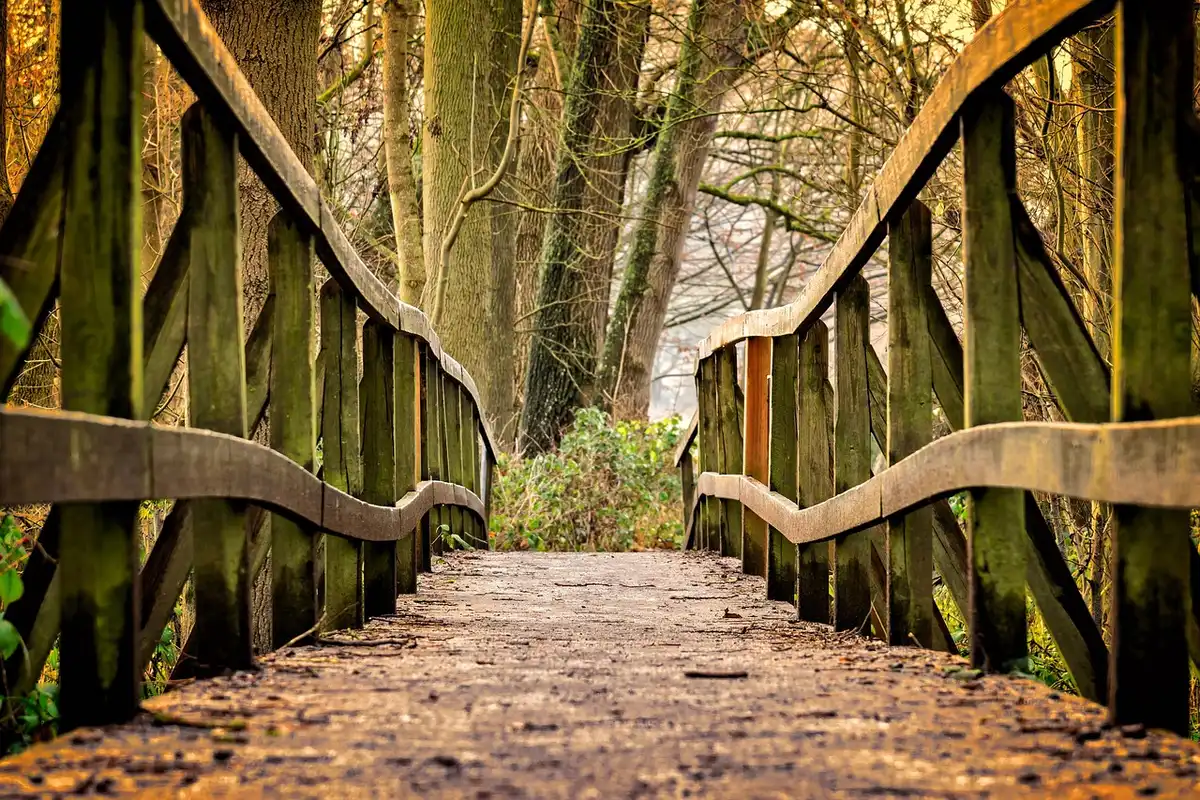
My guide, Signe, left a career in international development to lead walks here. She handed over practical facts as we went, including one striking point: peatlands cover roughly 3% of the planet’s land surface but hold about twice the carbon stored in forests. It was a reminder that small, local places carry outsized significance.
Food that feels like home
Back on drier ground I met Reilika Lelov, a former bicycle tour guide who retrained in cookery and, in 2025, launched Picnic in the Wild. Her idea was simple—bring honest, home-style food into parks and forests. Over bowls of borscht, rye bread with cured cheese and generous potato salad, conversation ranged from the recovering brown bear population to Estonia’s new e-divorce service, which has simplified legal separation to an almost administrative exercise.
Reilika talked about comfort in practical terms: food people actually eat at home, the dishes they reach for after a bad day. That grounded, no-frills hospitality felt as restorative as any meditation session.
Rethinking rest
The afternoon produced no dramatic revelation. Instead I surrendered to something quieter: an acceptance that rest can be many things. For Signe it might be a day in a bog; for Reilika, a bowl that tastes like memory. For me it turned out to be accepting that not everything needs doing.
Did I complete a textbook version of room-rotting? Not exactly. But abandoning the checklist and giving myself permission to fail at being idle felt like progress. It was, in its own small way, restorative.
The views expressed here are those of the author and do not represent or reflect the views of RTÉ