Show summary Hide summary
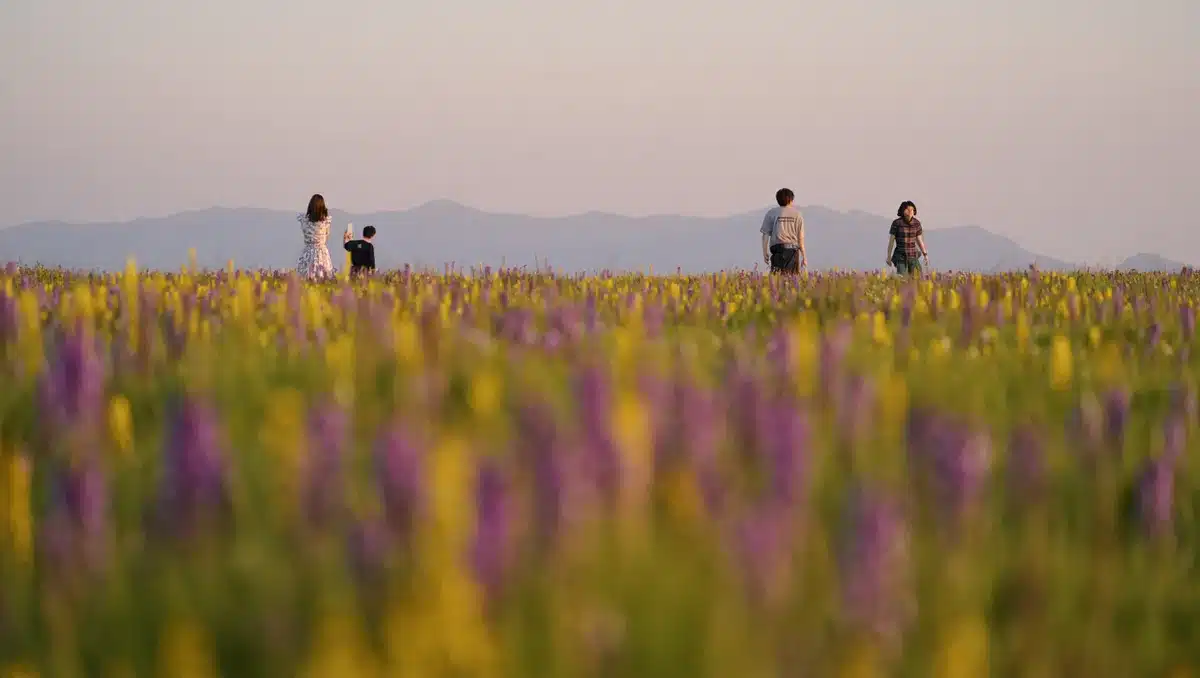
As travellers increasingly favour slower, seasonal trips over rushed itineraries, wildflower-focused journeys are emerging as a notable trend for 2026. Experts say these escapes offer a simple, restorative way to reconnect with nature and one another—from Japan’s sakura avenues to alpine meadows in India.
Why wildflower travel is catching on
Industry voices point to a growing appetite for authentic, low-key experiences. With the digital world expanding, many holidaymakers want time outdoors that feels purposeful rather than adrenaline-fuelled.
Away Holidays’ senior product director, Gianni Leone, describes wildflower trips as uniquely uplifting and seasonal—quietly restorative in a way that many city breaks are not.
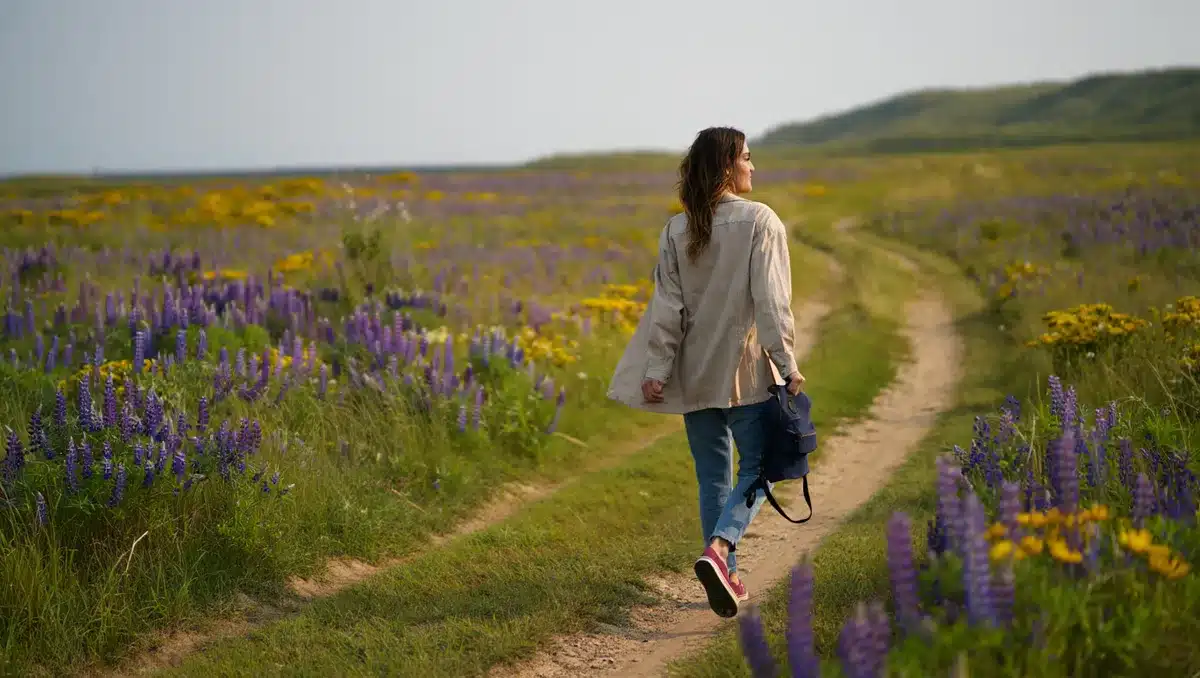
Muker Meadows, Yorkshire Dales, UK
For those after a classic British meadownote, Muker in Swaledale delivers a rich botanical display. The area is recognised as a Site of Special Scientific Interest and supports species such as wood crane’s-bill and melancholy thistle.
Local travel experts recommend a late-afternoon picnic to soak up the atmosphere and encourage visitors to pack layers—the weather can change quickly in the Dales. Summer tends to offer the best viewing window: hay cutting often begins in mid‑July, so June is usually prime.
Best time to visit: Late June to mid‑July
Cherry blossom in Tokyo and Kyoto, Japan
Few displays are as globally celebrated as Japan’s cherry blossom season, when parks and streets are carpeted in pale pink petals. The sight blends cultural tradition with spectacular urban scenery.
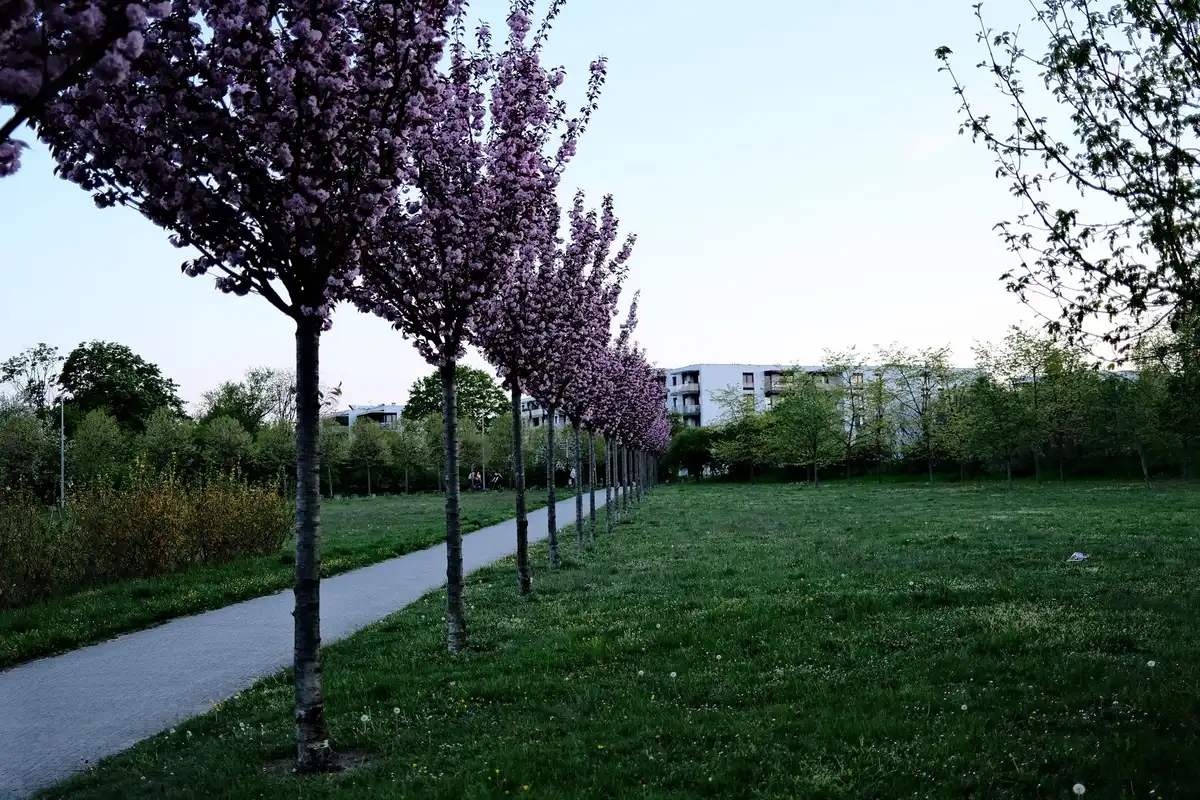
Top spots include Ueno Park in Tokyo and the Philosopher’s Path in Kyoto, where evening illuminations add a different, intimate feel. Because the bloom attracts large crowds, visitors are advised to plan and book accommodation well in advance.
Best time to visit: Late March to early April
Valley of Flowers National Park, India
High in the Himalayas, the UNESCO-listed Valley of Flowers is known for dense carpets of endemic blooms set against dramatic mountain backdrops. The landscape becomes a riot of colour in spring and early summer.
This destination suits travellers prepared for moderate trekking and changeable conditions. Dressing in layers is essential as temperatures vary with altitude and exposure.
Best time to visit: Late spring to early summer
Antelope Valley California Poppy Reserve, USA
When conditions align, California’s poppy reserve turns large swathes of land into vivid orange waves. The reserve is often cited as one of North America’s most visually arresting wildflower sites.
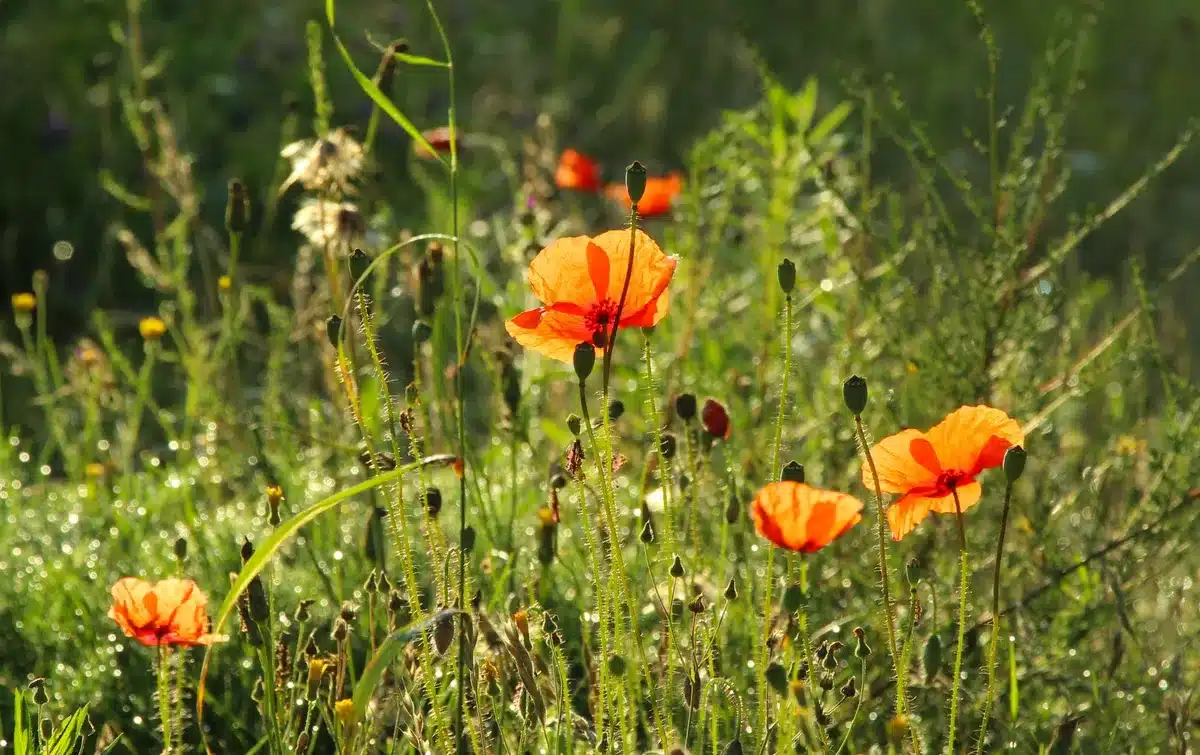
Photographers and casual visitors alike are advised to choose sunny days—poppy petals open fully in bright light—and to bring water for warm trail conditions.
Best time to visit: Late April
Keukenhof Gardens, the Netherlands
Although formally cultivated rather than truly wild, Keukenhof remains one of Europe’s most famous floral exhibitions. Located in Lisse, roughly 30–40 minutes from Amsterdam, the park showcases more than seven million hand‑planted bulbs each year.
Open to the public since 1950, Keukenhof stages a carefully arranged succession of daffodils, crocuses, hyacinths and early tulips, creating an intense, colourful spectacle that many visitors describe as unforgettable.
Best time to visit: Mid‑April to early May