Show summary Hide summary
Famous landmarks draw crowds for a reason — but the same popularity that fuels postcards also creates pressure on local communities and heritage sites. Choosing lesser-known alternatives, or visiting at different times, can reduce that strain while often offering a richer experience.
Rethinking where — and how — we travel
Experts say travellers now have a responsibility to weigh the consequences of their choices. Tim Williamson, joint managing director at Responsible Travel, warns that destination selection matters more than ever.
“Our holiday choices matter more than ever, and travellers need to think carefully about where they go and how they visit when they get there,” he says, noting that some places actually suffer from under‑visitation as well as overcrowding.
Williamson adds that tourism remains a force for good when managed well. “Overtourism can be extremely localised, and despite the headlines, there are many places that want and need more visitors. Tourism still has enormous power to boost local economies, cushion financial blows, restore heritage and conserve endangered species.
“Choosing an alternative to somewhere like Dubrovnik can help ease pressure, but we also need to avoid simply shifting the problem elsewhere.”
Instead of Dubrovnik — try Šibenik
Dubrovnik has faced intense scrutiny for years: at its peak, tourists reportedly outnumbered residents by around 27 to one, and the city introduced firm restrictions to curb overcrowding. Cruise calls are now limited, short‑term lets have been reduced and the Old Town is a traffic‑restricted zone.
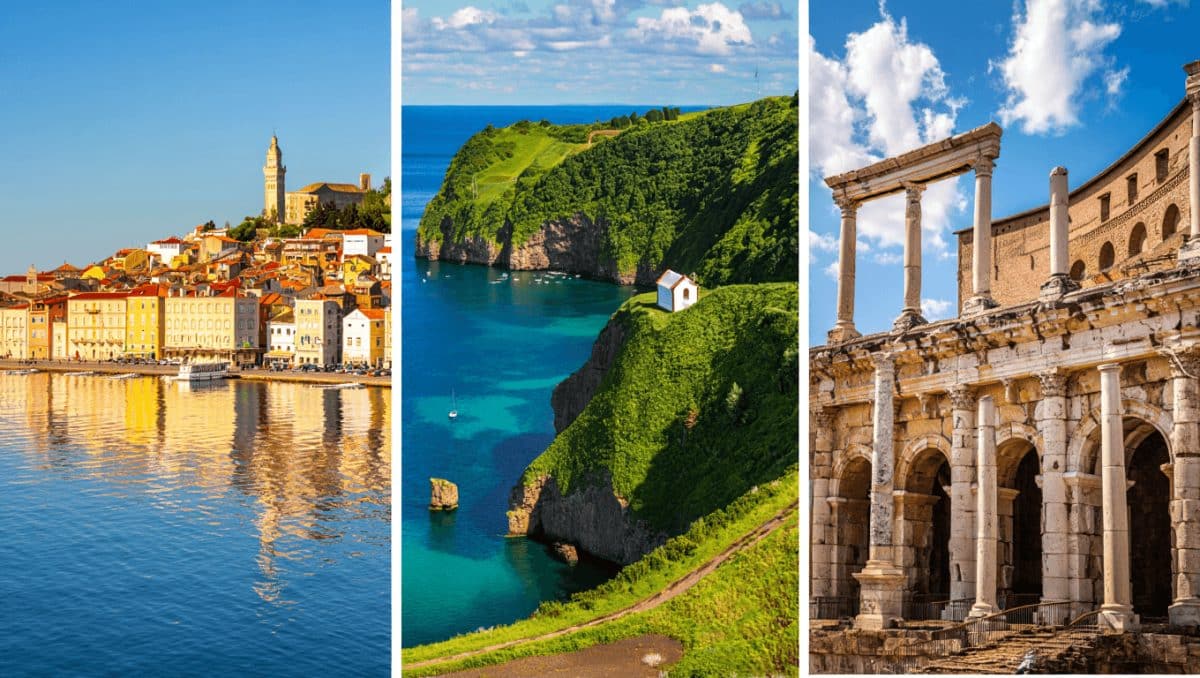
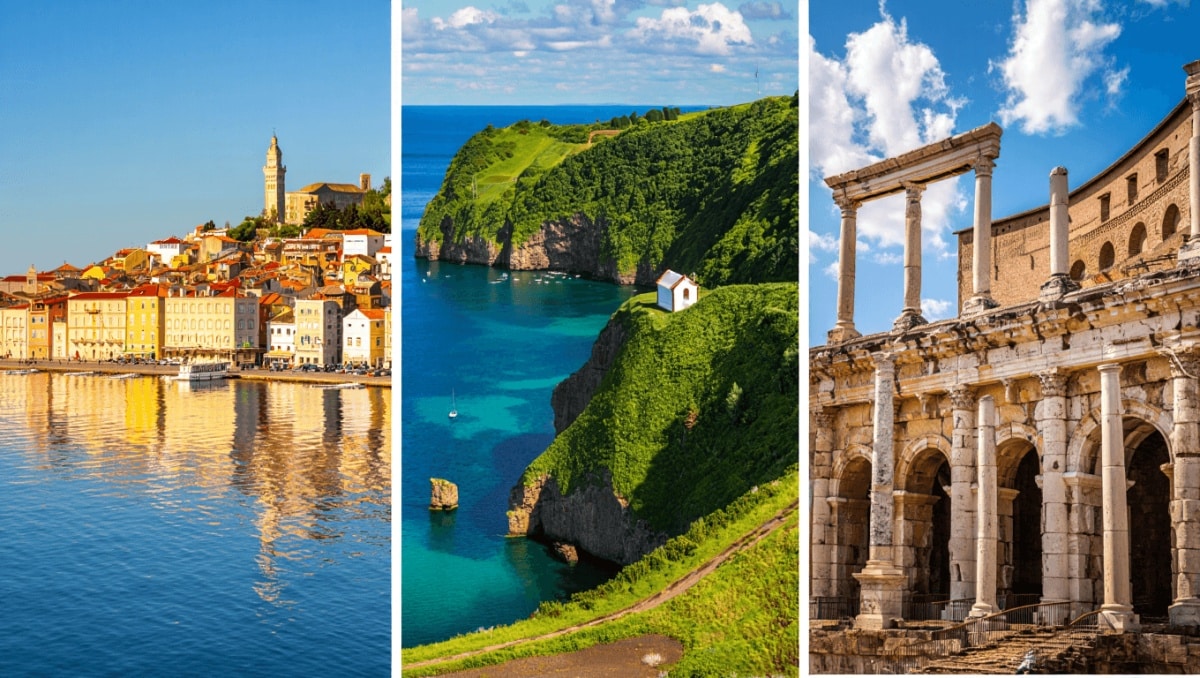
For a quieter coastal experience, Marina Rogoznica, lead Croatia product manager at Unforgettable Travel, points to Šibenik. “Šibenik is a medieval city with really narrow, little cobblestone streets. It has a few fortresses, one is UNESCO (listed), as well as the Cathedral of St Lawrence nearby, also a Unesco site. It’s very important historically to Croatians, but also a beautiful town to visit with a lot of resorts [nearby] and nice hotels, so you can combine a beach day with culture,” she says.
Rogoznica also recommends the nearby city of Zadar for its long urban history and preserved Roman layout, offering an alternative rhythm to the tourist flow around Dubrovnik.
Instead of Venice — try Chioggia
Venice’s plight is well documented: fewer than 50,000 residents remain in the city centre while around 30 million visitors arrive each year, many only on day trips. The city’s unique canals and architecture understandably attract crowds.
Yet roughly 15 miles south, the fishing town of Chioggia delivers similar canals and colourful facades without Venice’s mass tourism. As Zain Richardson, CEO of Asmallworld, puts it, “It’s relatively unknown and something of a contender to its ‘big sister’.”
“The best bits are the relative lack of people compared to Venice, its fish markets, and its ornate bridges,” he adds — all reasons to consider a short detour for a more relaxed boat ride and local atmosphere.
Instead of Barcelona — try Tarragona
Spain’s popularity is concentrated in a handful of hotspots, and Barcelona is the biggest draw. Travellers after Catalan culture and coastal scenery can find quieter alternatives within easy reach.
Tarragona, about 60 miles south of Barcelona, offers a strong Roman heritage — including a 2nd‑century amphitheatre perched by the sea — alongside narrow streets and Blue Flag beaches such as Cala Fonda. The area pairs archaeological interest with seaside relaxation.
Williamson also highlights other Catalan options: “the Costa Brava above Barcelona is much underrated, with beautiful coves and beaches.” Inland, places like Lleida are noted for medieval sites, a hilltop cathedral and regional cuisine.
Practical steps for visitors
Beyond choosing alternatives, specialists recommend actions that benefit local communities and preserve sites. Williamson encourages spending with local businesses rather than remaining inside hotels or on cruise ships, and warns against short‑term rentals that can reduce housing availability for residents.
“Walking holidays can be a great way to do this. They offer a slower, more considered way to experience popular places. Local guides bring insights into genuine local life and help travellers avoid the busiest areas while supporting livelihoods on the ground.”
Smaller, more thoughtful choices — different towns, off‑peak timing, local guides and buying locally — can make a real difference to destinations struggling with visitor pressure. For many travellers, those alternatives are also the start of a more authentic trip.