Show summary Hide summary
A senior Aer Lingus cabin crew member who was dismissed after an on-board dispute over access to an aircraft lavatory has lost an unfair dismissal challenge at the Workplace Relations Commission. The WRC concluded the airline acted within its rights after finding the crew member’s conduct amounted to serious misconduct.
What happened on the flight
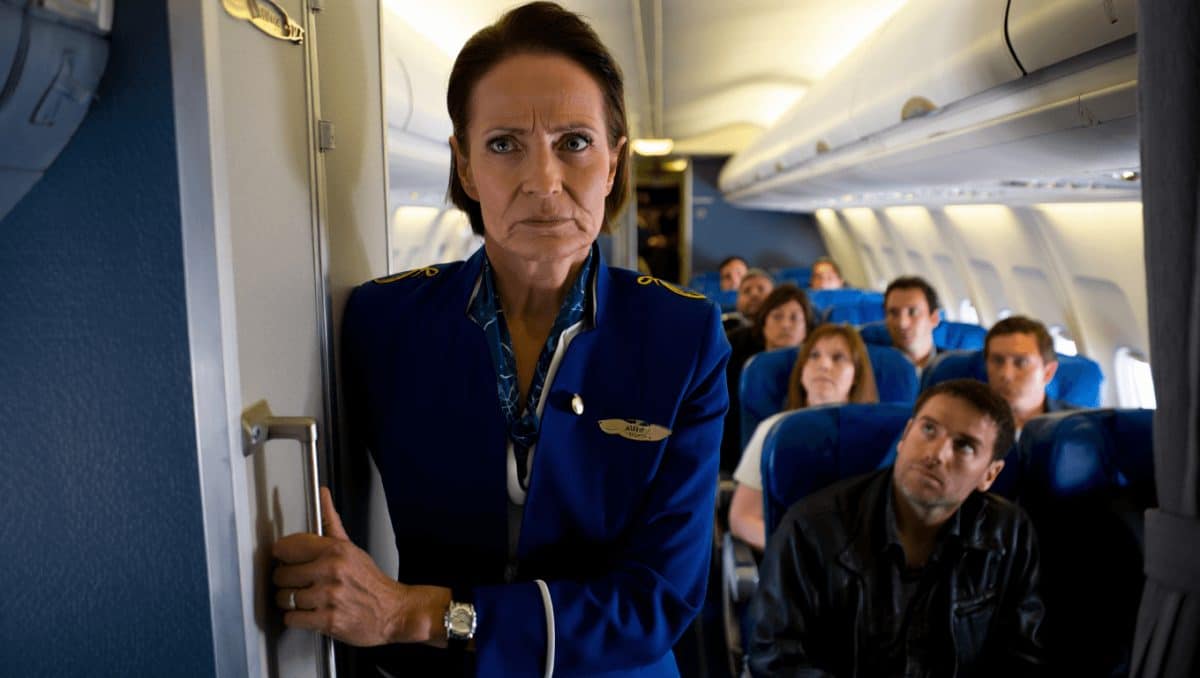
The incident took place on a delayed service from Marseilles to Dublin on April 9, 2024. A passenger complained that the cabin crew member, identified as Alan O’Neill, refused to let another customer use the toilet for up to 45 minutes while the seat‑belt sign was illuminated.
Colleagues told the WRC the passenger who was denied access was left in tears. An Aer Lingus manager said several customers felt unsafe and asked to disembark. Another crew member said the situation should have been de‑escalated or handed to a different member of staff.
The disciplinary outcome and the appeal
Aer Lingus dismissed Mr O’Neill for gross misconduct in October 2024. The airline also issued a formal warning to the passenger and temporarily barred them from flying with the carrier, a ban that was later lifted after a separate complaint was made about Mr O’Neill.
Mr O’Neill, who had been with Aer Lingus for more than 11 years and had an otherwise clean record, told his employers he was following standard procedures while the pilots had the “fasten seat belt” sign on. He described his approach as “assertive, not aggressive” and admitted it was “not his best performance.” He also said personal stress had left him unusually affected by the encounter.
WRC findings
Adjudication officer Michael McNamee considered a six‑day hearing before the commission. He found the airline’s disciplinary and appeal processes were “fair and reasonable” and that any procedural shortcomings did not undermine the overall fairness of the outcome from the viewpoint of a reasonable employer.
Mr McNamee concluded Aer Lingus had reasonable grounds to determine Mr O’Neill’s conduct undermined trust and confidence. The adjudicator said the case did not amount to an employee simply overreacting to unforeseeable provocation and that a lesser sanction, such as demotion, would not have removed the risk of recurrence.
Legal arguments and aftermath
Lawyers for Mr O’Neill and his union, Forsa, argued the dismissal was disproportionate and that he had been enforcing safety procedures. Aer Lingus submitted the unfair dismissal claim should be dismissed in part because Mr O’Neill chose not to give evidence or call witnesses at the WRC hearing.
The commission noted the airline had taken into account Mr O’Neill’s length of service and personal circumstances. It also recorded that he found alternative employment four months after his dismissal.
Overall, the WRC ruled Aer Lingus did not breach the Unfair Dismissals Act in terminating Mr O’Neill’s contract, and his claim was dismissed.