Show summary Hide summary
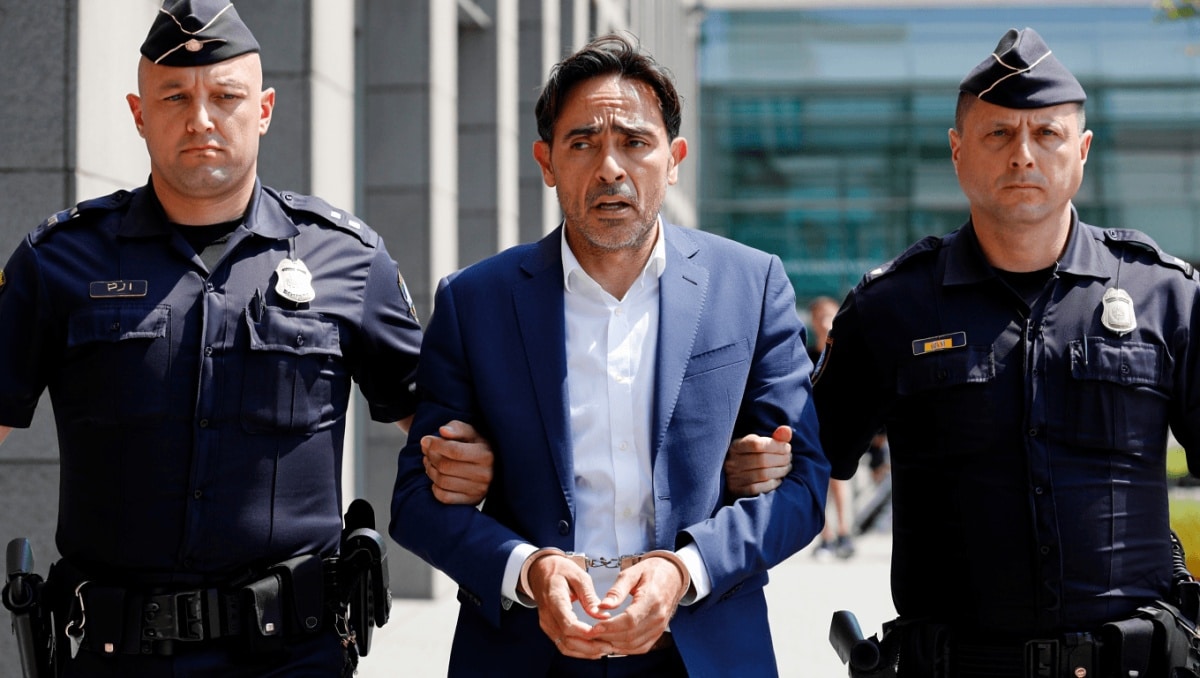
A man wanted in connection with the killing of Jamey Carney has been detained in Jordan after a week-long international search that involved Irish and foreign authorities. The arrest intensifies questions about extradition and how investigators will assemble a case from abroad.
Arrest after rapid departure from Ireland
Jordanian police held 28-year-old Ahmad Al-Saqar over the weekend, five days after he left Ireland following Ms Carney’s death in Killarney, County Kerry. Irish sources say he boarded an early-morning bus to Dublin Airport and used his passport to fly to Turkey before travelling onward toward his hometown.
What a Sauna Aufguss Felt Like: a steamy wellness ritual with partial nudity
Top Irish fine-dining venue named at Georgina Campbell Awards 2026
Local reports place his detention near Al‑Husn, a town close to Irbid. International policing bodies including Interpol, Europol and Jordanian authorities worked alongside Irish and US officials during the search, according to those involved.
Investigation at home and legal uncertainties abroad
Senior Garda officers told colleagues they had not formally requested an arrest in Jordan, and some expressed confusion about the legal grounds for the detention. Gardaí say the homicide inquiry remains at an early stage and investigators are still gathering evidence.
Under Jordanian law, sources say a person can be held without charge for an extended period, which could delay any transfer. Gardaí intend to compile a file to send to the DPP; if prosecutors determine there is a case, Irish authorities would then pursue legal routes to seek his return.
Diplomacy, extradition and international pressure
Officials from Ireland, the US and Jordan have been in contact, and diplomatic channels will shape any legal framework for returning the suspect, those involved stress. It is widely reported that active US involvement helped prompt Jordanian action.
The United States provides substantial economic and military assistance to Jordan — figures cited by the US Government place annual support at a minimum of $1.45 billion (about €1.27 billion) and note some 4,000 US troops stationed in the country. There is also a narrow legal route by which Jordan could extradite the man to the US, because of an existing treaty, though that arrangement is disputed by Jordanian authorities.
Victim’s family and community reaction
Ms Carney’s mother, Kathy, and her sister, Devon Bennett, have arrived in Ireland from the United States. They launched a GoFundMe campaign to cover repatriation costs and to help Ms Carney’s 13‑year‑old daughter, Michaela, remain in Ireland, which the family describes as her home.
The family appeal pays tribute to Ms Carney’s activism and caring nature and asks for support while they make arrangements and work with local services in Killarney.
What happened and responses from officials
Ms Carney, a native of New York who had lived in Kerry for almost five years, was found dead in the rented house she shared with her daughter. The child discovered her mother in a bedroom the day after the killing.
Community groups representing Jordanians in Ireland strongly condemned the killing and publicly commended the Jordanian Public Security Directorate for its swift action that led to the arrest.
Government figures in Ireland have expressed sympathy for the family. The Tánaiste said Gardaí will cooperate closely with international partners, while the Justice Minister warned that the lack of a formal extradition treaty with Jordan complicates bringing a suspect back to Ireland — though he pointed to recent international arrangements reached with other states as precedents.
Next steps
Gardaí have said only that they are aware of the arrest and that any further comment rests with Jordanian authorities. Back in Ireland, investigators will continue to build their case for the DPP while diplomats and legal advisers explore the options for securing custody of the suspect.