Show summary Hide summary
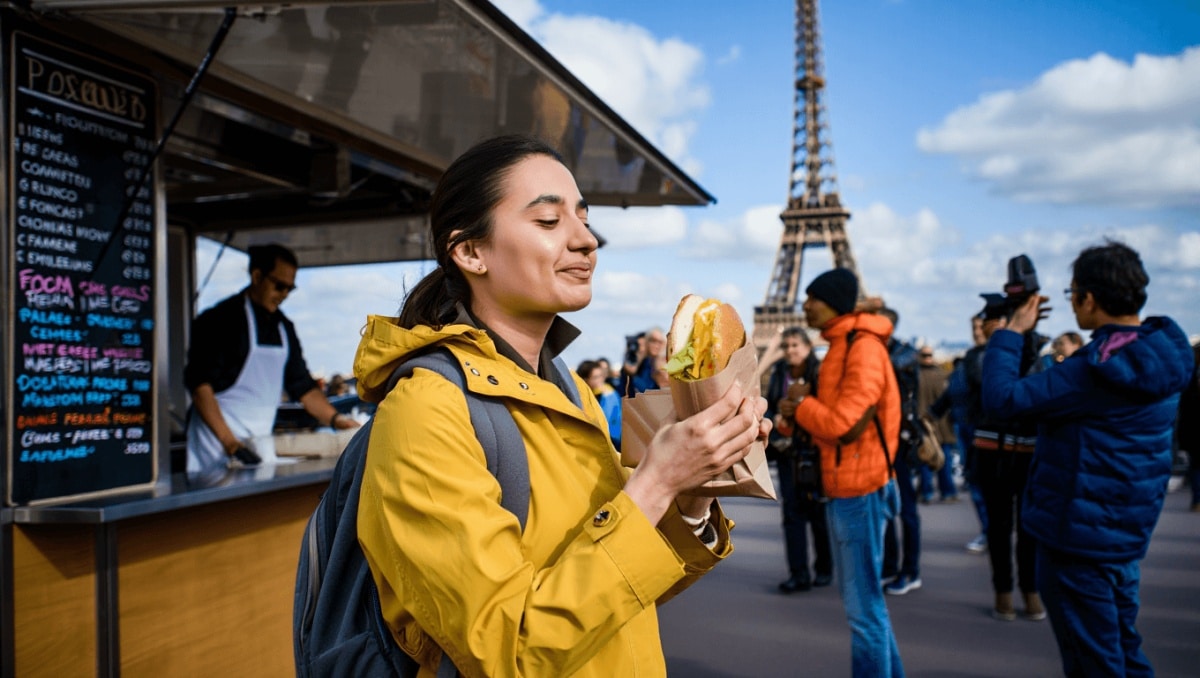
Tired of jostling for a selfie in front of the Mona Lisa or queuing for hours beneath the Eiffel Tower? A growing number of travellers are ditching world-famous landmarks in favour of ordinary, everyday places that reveal local life — a trend travel writer Thom Breathnach discussed on Drivetime.
What is “mundane travel”?
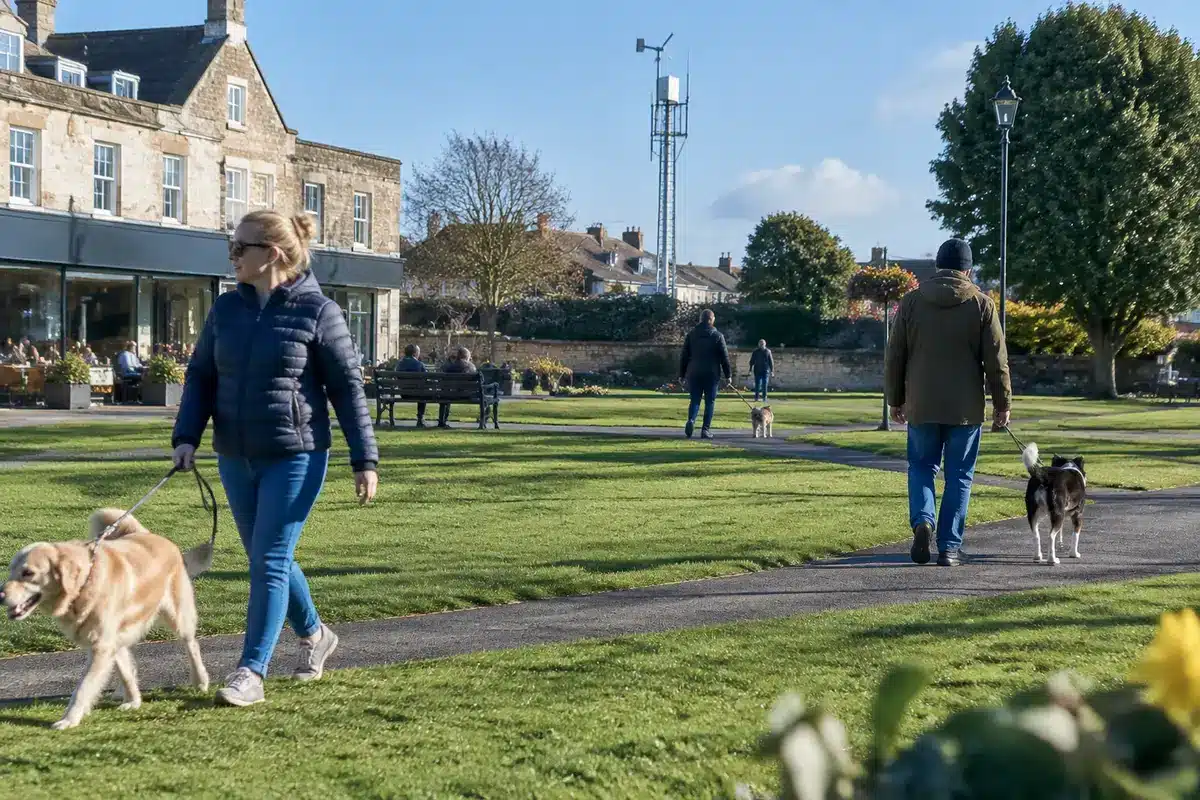
Mundane travel rejects the packaged-tour checklist. Instead of chasing iconic sights, participants seek the small, routine corners of a place: the neighbourhood shop, the local petrol station, or the late-night corner pharmacy. The aim is less spectacle and more ordinary experience.
What a Sauna Aufguss Felt Like: a steamy wellness ritual with partial nudity
Top Irish fine-dining venue named at Georgina Campbell Awards 2026
Breathnach argues this shift reflects fatigue with polished, social-media-friendly snapshots and a desire to see authentic daily life rather than staged moments at crowded attractions.
Why the shift is happening
Overtourism has pushed many destinations to limit numbers or re-think how they promote themselves. That, combined with growing weariness of repetitive travel content online, is nudging visitors towards quieter options.
For some younger travellers, the change is still performative. Breathnach notes that people often visit lesser-known spots partly to post fresh, relatable content and maintain an online presence — a different kind of travel brag, less about monuments and more about discovery.
Everyday places going viral
One unexpected example is the rise of Japanese convenience stores as must-see stops. Shops such as 7‑Eleven and FamilyMart have become cultural touchpoints online, celebrated for simple, high-quality offerings.
Items like the tamago sandwich — an egg sandwich sold in many Japanese konbini — have attracted significant attention, while aisles packed with unusual snacks, ready meals and practical goods give visitors a snapshot of local life.
The appeal of the ordinary
Breathnach points out that these mundane sites offer both novelty and insight. A convenience store can reveal consumer habits, food culture and small rituals that a tourist monument rarely shows.
He also highlights how stores abroad can feel strangely foreign yet familiar. For example, American pharmacies such as CVS are described as informal museums of everyday life: 24-hour service, aisles of both comfort foods and over-the-counter medicines, and a distinct sensory mix that stands apart from what visitors might find at home.
What travellers gain — and lose
Choosing everyday spots can mean fewer crowds, lower costs and encounters that feel more personal. It can also reshape what people value in travel: curiosity, small pleasures and local detail over the selfie at a famous landmark.
That said, the move away from traditional sights is not total. Major monuments still hold strong appeal for many. And even mundane travel can be shaped by trends — with some visitors seeking novelty in order to post it online.
Where this trend could lead
As destinations experiment with managing visitor flows, mundane travel offers an alternative model that supports both exploration and preservation. For travellers, it’s an invitation to look beyond postcards and take in the everyday rhythms that make a place distinct.
Breathnach discussed other examples on Drivetime, including the curious popularity of petrol station tourism, underlining how ordinary places are becoming new travel magnets.