
Show summary Hide summary
Group tours can make distant, adventurous trips far more achievable — especially for people who lack time off, savings, or a travel companion. Irish journalist Anja Zauers describes how organised group travel helped her visit Peru, Uganda and Japan without shouldering every detail alone.
Why organised group travel appeals
Many prospective travellers are stopped by practical questions: how to afford a long trip, whether to quit work, or who to travel with. Group trips reduce those barriers by combining planning, company and often lower per-person costs.
Dublin creatives invited to respond to Staycity Group open call
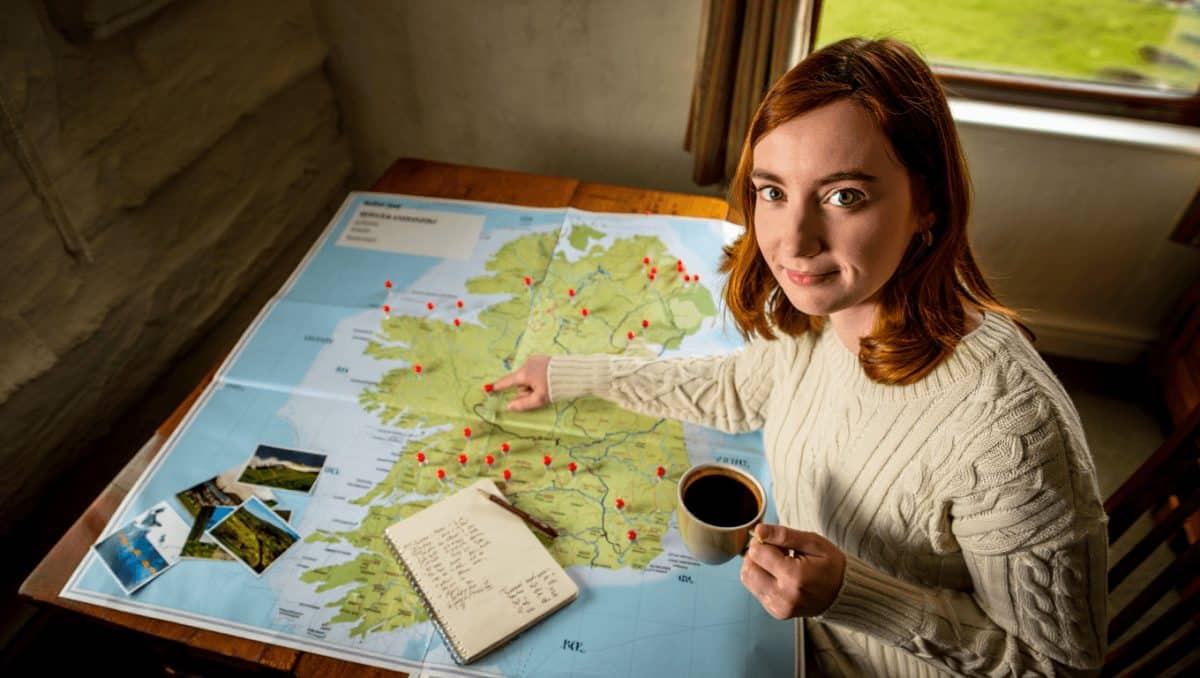
Éadaoin Fitzmaurice selects 32 Irish destinations for 2026, listed by county
For Zauers, the main draw was social as much as logistical. Booking alone on a company trip turned strangers into lasting friends. Repeatedly meeting welcoming, like-minded people convinced her this was not luck but a pattern — these trips attract people who want similar experiences and companionship.
What these trips include — and what they don’t
Group packages vary, but many cover local transport, accommodation, some meals and pre-arranged activities. That can make a €900–€2,000 fare competitive with independent booking once you add up logistics, single-room supplements and activity costs.
Payment plans are common, allowing travellers to spread the cost rather than paying a large sum up front. Zauers says that, for her, the price was justified by the stress taken out of planning and the freedom to enjoy the trip itself.
Real examples: Peru, Uganda and Japan
Zauers’s first organised trip was to Peru with a company called Plotpackers. The group skewed young — roughly 18–30 — and the itinerary was activity-heavy, which naturally drew energetic travellers.
- dune buggy rides and sandboarding
- glamping in the desert
- mountain biking in the Andes
- white-water rafting and ziplining
More recently, she travelled to Japan with an Irish operator that balanced structured guided days with free time. That mix, she says, allowed people to join organised activities while still exploring cities independently.
An Irish approach: Craic On Travels
One of the operators meeting rising demand in Ireland is Craic On Travels, co-founded by Isabelle Geraghty and Colin Finnerty. They set up the company after noticing many young Irish people wanted to travel but had few compatriots to go with — particularly as friends emigrated.
Geraghty says the pair’s years of budget backpacking shaped their model. They aim to keep trips affordable by leveraging group rates while maintaining quality, and to design experiences that appeal to travellers seeking social connection as well as adventure.
Although most participants tend to be solo travellers in their mid-20s to mid-30s, the company has taken people as young as 18 and some in their 50s. The common factor, they say, is a shared appetite for an active, social trip rather than a narrow age bracket.
Community and local impact
Craic On Travels also puts emphasis on local engagement. A portion of trip fees is directed to charities and community projects in destinations visited, and groups often meet people involved in that work. The operators also use local guides to deepen cultural understanding and ensure experiences feel authentic.
Is group travel right for you?
If the idea of solo planning feels daunting, group trips offer an alternative that keeps independence intact while adding company and convenience. They are not necessarily rigid coach tours; many modern operators mix organised excursions with free days and optional activities.
For Zauers, that mix has changed how she travels. It opened destinations she once thought out of reach, created lasting friendships and made long-haul travel feel more accessible.
The views expressed in this article are those of the author and do not represent RTÉ.