Show summary Hide summary
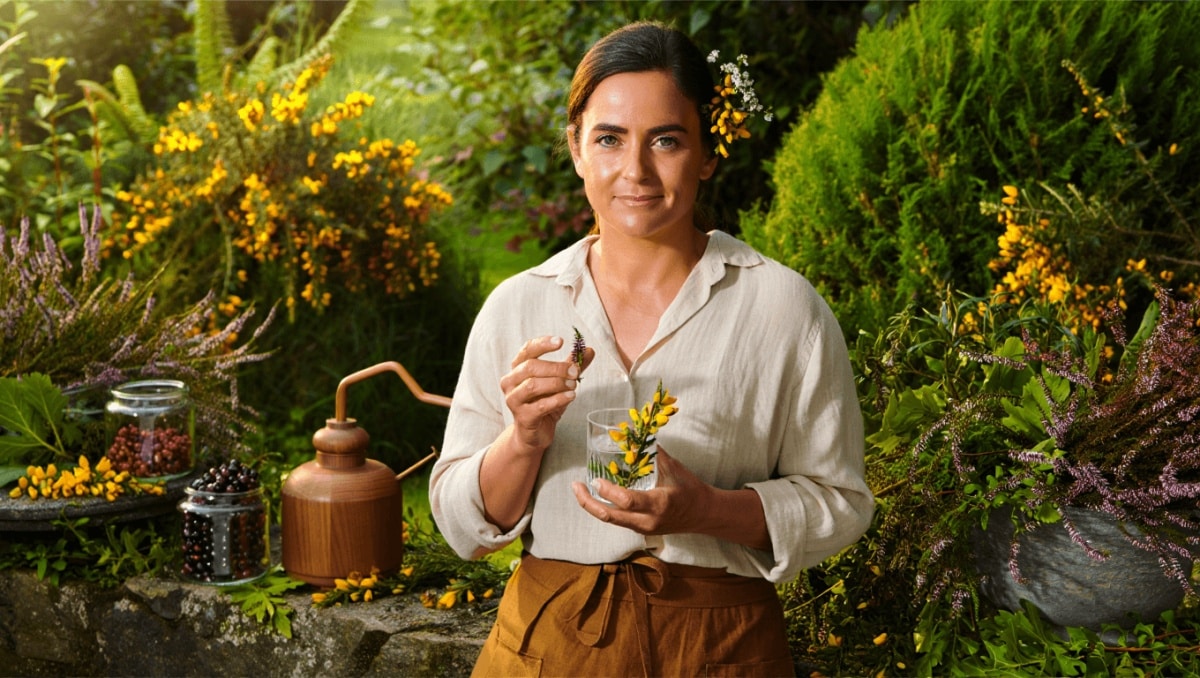
When a locally made gin lands in your glass, its flavour often begins far from the still — in hedgerows, woodlands and gardens. Geraldine Kavanagh, a County Wicklow forager, has spent her life turning those wild ingredients into flavours, and for more than a decade she has helped a local distillery capture the county’s countryside in spirit.
From childhood curiosity to a full-time pursuit
Geraldine says her interest in plants began early. She taught herself about edible wild foods from the age of eight, learning to distinguish what is safe to eat and what is not. Over time that curiosity became a profession: she now works as a full-time forager, sourcing herbs, berries, nuts and mushrooms from the landscape around Wicklow.
Funeral plans announced after Dublin gig death of Westlife fan
Search under way after air ambulance loses radar contact
Teaching others what the land provides
She turned knowledge into practice by offering guided foraging walks. What began as small, quiet outings grew in popularity. Geraldine later added wild food market stalls to her work, bringing hand-picked ingredients directly to local customers and chefs.
She stresses caution to newcomers. Geraldine warns people not to taste plants unless they are absolutely certain of their identity, noting that allergic reactions and swelling can occur. As she puts it, some items require preparation — for example, nettles should be cooked before eating.
Partnering with Glendalough Distillery
In 2014 Geraldine was approached by Glendalough Distillery to help develop a gin that reflected Wicklow’s landscape. Since then she has worked with the distillery for more than ten years, gathering botanicals and experimenting with recipes.
Early trials were hands-on and elemental. “We went out with baskets, picked everything that I thought was going to be nice in the first gin that we made,” she recalls. Finding the right balance took time and many experiments, but the process produced distinctive flavours rooted in the county’s wild plants.
Why this matters to drinkers and producers
The use of locally foraged botanicals adds a sense of place to spirits and food. For producers, it can create unique tasting profiles that set products apart. For consumers, it connects a drink to a particular landscape and season.
Reflections on a surprising career
Geraldine describes her path as an unexpected turn. What started as a hobby and passion evolved into a viable career, opening opportunities she had not imagined. She also sees foraging as part of a longer human tradition. “We all come from people who were good at foraging, who survived for tens of thousands of years in the wild,” she says, adding that our bodies may still recognise the nutrition those foods provide.