Show summary Hide summary
- Gardens, follies and cultivated escapes
- Cliffs, islands and coastal wonders
- Hikes, mountains and ancient sites
- Hidden swims, rivers and forest parks
- Underground, night skies and dramatic headlands
- Castles, culture and a dram or two
- Islands, bays and village life
- Where history and myth meet the trail
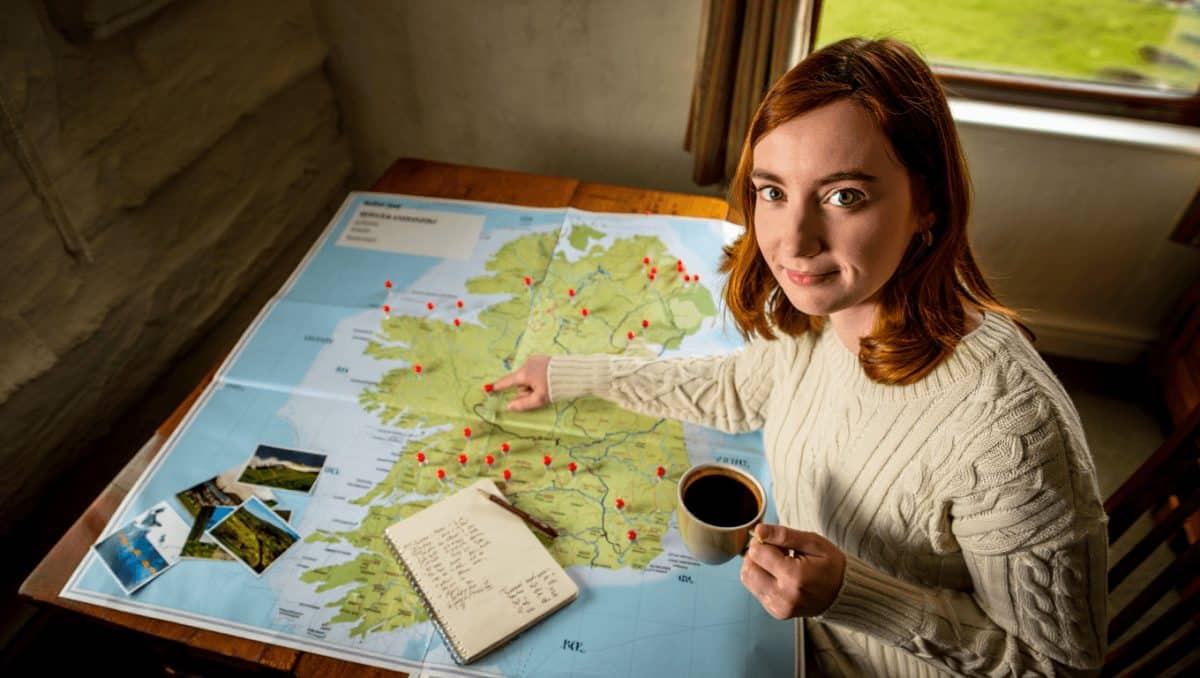
In 2025 I set myself a simple challenge: visit all 32 counties of Ireland and seek out the most memorable places to see, walk, swim and eat. Below are the standout discoveries from that journey — compact recommendations to inspire short trips, day outings or longer explorations around the island.
Gardens, follies and cultivated escapes
Altamont Gardens blooms in every season — spring snowdrops, a summer lake strewn with lily pads and an autumn palette of fiery orange. The lakeside walk is deliberately unhurried: benches and a small café invite you to linger, and the on-site garden shop stocks reasonably priced plants.
Dublin creatives invited to respond to Staycity Group open call
Éadaoin Fitzmaurice selects 32 Irish destinations for 2026, listed by county
Heywood Gardens in County Laois feels like a classic country estate turned theatre of plants. A short walk from the car park leads to walled flowerbeds, terraces and a lily-dotted lake. Visit between May and August for the most vivid displays.
The tiny ornamental Swiss Cottage at Cahir, built in 1810, resembles a storybook home inside and out. A €5 ticket covers the grounds and a guided tour through rooms preserved with original furnishings, plus the social history of the Butler family who commissioned it.
In Tramore you’ll find an unexpected encounter with Japan. The town’s Japanese Garden traces the life of writer Lafcadio Hearn through bamboo groves, stone lanterns and an ochaya teahouse. Guided tours run seasonally and tickets start from €7.
Cliffs, islands and coastal wonders
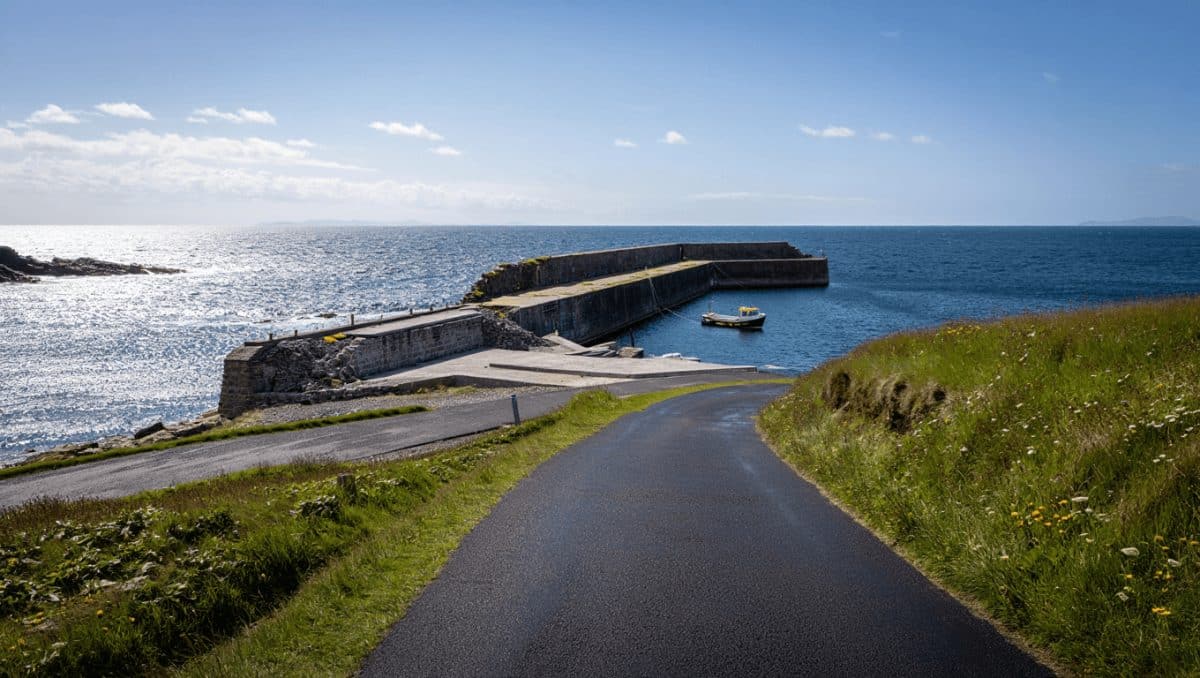
Dún Chaoin Pier on the Dingle Peninsula offers raw Atlantic views and a direct line of sight to the Blasket Islands. It’s a quiet place for a promenade or a launch point for boat trips to the archipelago.
The otherworldly An Dóilín (Coral Strand) at Carraroe in Connemara is built from tiny maerl fragments. Clear waters, rich tidal pools and a strong Irish-language culture make it a superb spot for snorkelling and shoreline exploration.
Garinish Island off West Cork feels tropical on arrival. Accessible by boat from Glengarriff, its cultivated gardens and coastal views are ideal for a peaceful stroll and wildlife watching.
The Saltee Islands are a wildlife sanctuary off Kilmore Quay, famed for puffins and gannets. Visits run best from May to July and are guided to minimise disturbance to breeding birds; ferry places book up quickly.
Hikes, mountains and ancient sites
Knocknarea rises above Sligo and is capped by Queen Maeve’s Cairn, a Neolithic passage tomb more than 5,000 years old. The ascent takes roughly 45–60 minutes and rewards you with sweeping coastal panoramas and a palpable sense of history.
At the island’s heart, Hill of Uisneach is both archaeological site and mythic landmark. Standing stones, burial mounds and holy wells cluster on its summit. Tours are available and visiting during a Celtic festival such as Bealtaine or Samhain brings the legends to life.
The glacial curve of the Gleniff Horseshoe in Sligo is a dramatic, U-shaped valley framed by limestone cliffs. The drive and the walks here alternate between quiet pastoral scenes and bold mountain shapes; a steep climb to Diarmuid and Gráinne’s Cave suits experienced walkers only.
Hidden swims, rivers and forest parks
Catholes Falls is a favourite freshwater plunge: a series of rock pools surrounded by trees with a ladder for safe entry. On busier weekends you may even find a sauna in the car park — a warming reward after a cold dip.
Bloody Bridge near the Mournes combines dark history with a popular river walk and accessible swimming spots. The trail follows the river through upland foothills and leads to calm bathing pools below the bridge.
Rossmore Forest Park spans 320 hectares of mixed woodland and lakes. Sculptures and family-oriented play areas mingle with peaceful paths, making it a flexible spot for both adventure and quiet walks.
Underground, night skies and dramatic headlands
The Marble Arch Caves form part of a UNESCO Global Geopark and offer a subterranean experience of rivers, stalactites and cavernous chambers. Tours include a short boat trip; adult admission is £16.
Mayo Dark Sky Park near Mulranny hosts evening tours that pair local storytelling with star-gazing at a site of exceptional clarity. The guided sessions include hot chocolate and cost €35 per person.
Downpatrick Head on the north Mayo coast is where the 50-metre Dun Briste sea stack stands sentinel. Clifftop paths, a statue of St. Patrick and traces of ancient settlement make it a landscape rich in both geology and legend.
Castles, culture and a dram or two
Johnstown Castle presents Gothic revival architecture set among lakes and carefully tended grounds. Inside, stories of 1798 and rural life unfold alongside the quirky Irish Agricultural Museum.
Castle Saunderson in Cavan is an evocative ruin set within walking routes and a modern scout centre. The site balances atmospheric decay with new, communal uses of the estate.
For a taste of craft and heritage, Middleton Distillery in Cork offers tours through copper pot stills and maturation warehouses, typically finishing with a tasting of Cork whiskeys.
Islands, bays and village life
Inis Oírr on the Aran Islands is small, wind-swept and steeped in traditional culture. Cycle or walk the lanes for rugged cliffs, O’Brien’s Castle and a lively local arts scene.
Doolin sits where the Burren meets the Atlantic and remains a hub for traditional music. From its pier you can catch ferries to the Aran Islands or see the Cliffs of Moher from the water.
On Donegal’s coast, Silver Strand Beach offers a horseshoe bay framed by cliffs and accessed by a 60-step descent. It’s a place for solitude, wide views and, sometimes, playful dolphins offshore.
Where history and myth meet the trail
Sliabh an Iarainn mixes ore-mining history with legend. The mountain’s Mass Rock and summit boulder formations tell of Penal times and older mythic arrivals. The walk gives wide views to Lough Allen and a sense of landscape layered with past lives.
Grange Stone Circle at Lough Gur is Ireland’s largest stone circle and a setting for lakeside walks and archaeological interpretation at the nearby heritage centre. It’s a quiet place to reflect on millennia of human activity beside water.
Finally, for a coastal circuit with real drama, the Erris Head Loop in North Mayo offers cliff-top boardwalks, wartime remnants and abundant seabirds over a 9 km route that takes two to three hours.
These are a few highlights from a 32-county journey. Each place rewards a slower pace and a willingness to explore off the main roads — and they all make compelling reasons to spend more time discovering the island you call home.