

Show summary Hide summary
With schools back and crowds thinning, autumn can be a smart moment to book travel — if you know where to look. Pól Ó Conghaile, Travel Editor at the Irish Independent, outlines how timing and flexibility can cut costs on both foreign and domestic trips.
Price dips are real — but smaller than before
Airfares no longer collapse overnight once August ends, Ó Conghaile warns. There are now what he calls “different sized cliffs”: prices fall, but not as dramatically as in previous years.
What a Sauna Aufguss Felt Like: a steamy wellness ritual with partial nudity
Top Irish fine-dining venue named at Georgina Campbell Awards 2026
Still, leaving the peak summer weeks behind usually brings a significant drop in fares. By October, many carriers also switch to their winter schedules, changing frequency and pricing across routes.
Flexibility is the biggest advantage
Chasing tiny algorithm-driven discounts can be frustrating. “The whole weight of the industry and the algorithms are out there against you,” Ó Conghaile says, noting that families tied to school holidays face higher prices because everyone else travels then.
By contrast, being flexible about dates and destinations opens far more affordable options. “If you’re not pinned to a particular place and you’re not pinned to a particular day of the week, all of a sudden possibilities are blown wide open,” he adds.
Concrete examples: when a few days make a big difference
Ó Conghaile gives a clear example on a popular route: flying from Dublin to Lanzarote in the weeks either side of the October midterm can cost as little as €30 a flight. Travel on the Saturday‑to‑Saturday week of the midterm, however, can push fares to roughly €250 each way.

Shoulder months and off‑peak choices
Think of the travel year as a bell curve, he suggests. July and August sit at the top. The months either side are the shoulder season, and beyond them is the off‑season when airlines reduce services.
- Shoulder months: May, June, September, October.
These shoulder periods often offer the best balance of decent weather and lower prices.
Where to go in autumn and winter
For warm weather in winter, the Canary Islands remain a reliable favourite for Irish travellers. Ó Conghaile also points to Morocco as an alternative and recommends Greece for a late‑season visit.
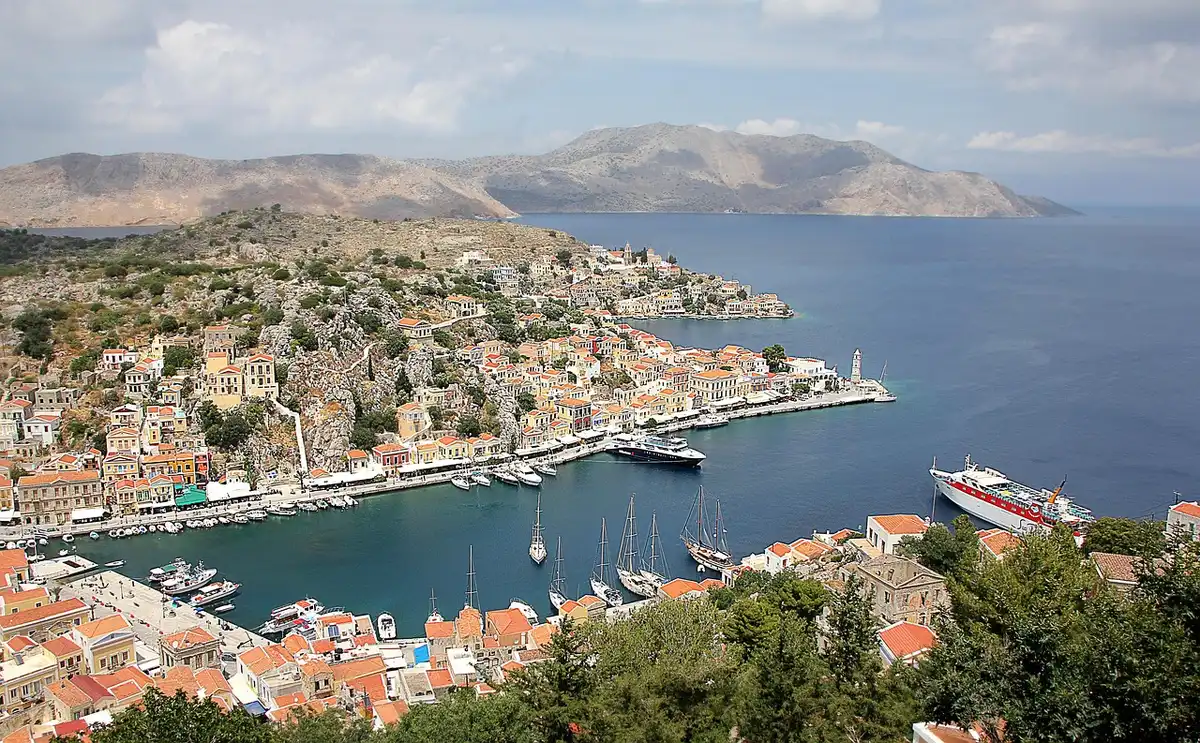
September and October in Greece are particularly appealing: the seas stay warm, visitor numbers fall, and ferries typically continue operating — all of which make island‑hopping easier and more pleasant than in high summer.
Domestic tips: cheaper weeks in Ireland
At home, Ó Conghaile recommends taking a midweek break in November, before the Christmas rush. He argues that November, together with late January and early February, is among the least expensive times to travel around Ireland.
Off‑peak travel also makes premium hotels more affordable. He cites Limerick’s Adare Manor as being about half the price in November compared with September, while Cashel Palace in Tipperary can be roughly 25% cheaper.
For travellers willing to shift dates or destinations, the autumn and winter windows can unlock meaningful savings — and quieter, more relaxed trips.