
Show summary Hide summary
I spent two weeks in northern Norway during the height of summer, living beneath the uninterrupted brightness of the midnight sun. The constant daylight reshaped daily rhythms, altered sleep and left a surprising emotional aftertaste when darkness returned.
Tromsø: arriving at both ends of the year
My trip began in Tromsø, a city I had already called home for six months, including a spell during the polar night when sunlight disappeared for weeks. Returning in July felt like stepping into the opposite extreme.
Funeral plans announced after Dublin gig death of Westlife fan
Search under way after air ambulance loses radar contact
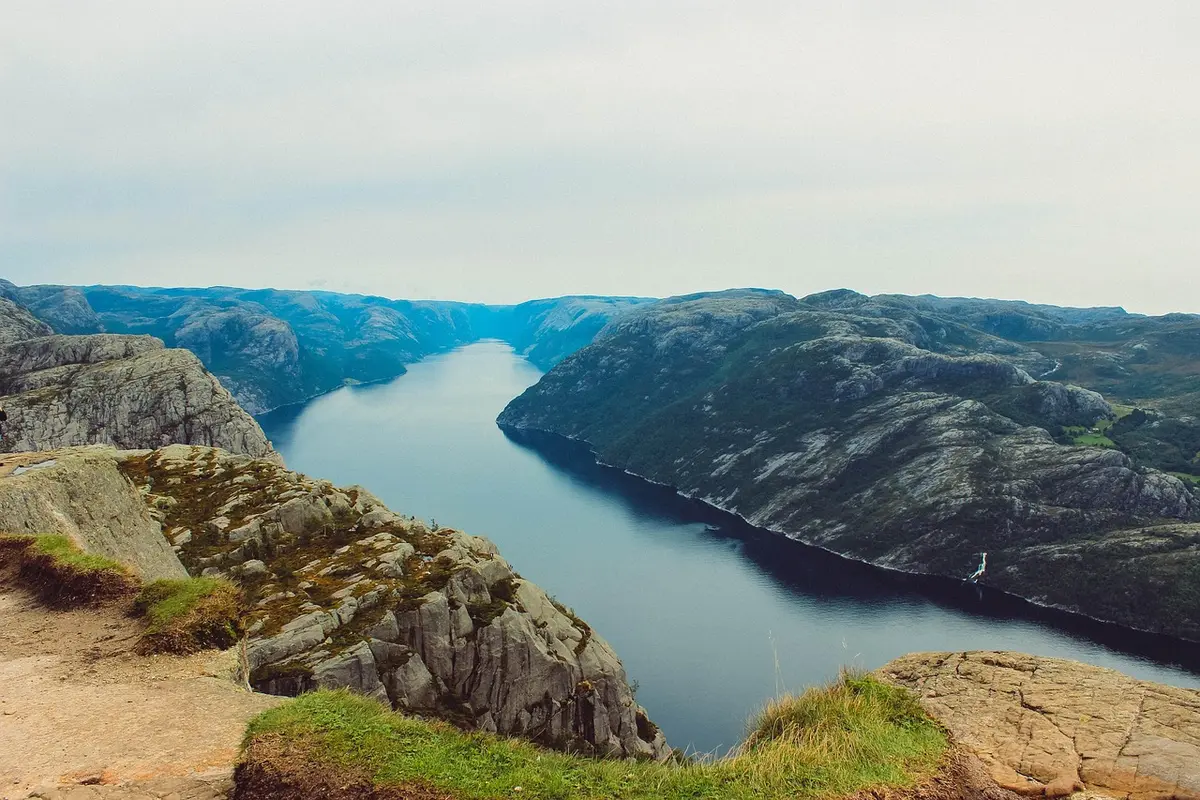
The landscape transformed: peaks and fjords that had been shadowed in winter were now stark against a clear sky. Within hours of landing I was hiking above the water, the bright evening light making it easy to keep moving late into the night.
Locals and visitors treated the long day as permission to be active at any hour. There were late barbecues, groups kayaking and cycling, and spontaneous drives to nearby Kvaløya. Yet despite the liveliness, the absence of true night muddled my internal clock. Even at midnight, the sun filtered through curtains and sleep proved elusive.
Senja: wilderness and the first catch
Driving south from Tromsø, we crossed fjords and bridges until the terrain opened into the wilder parts of Senja. By evening we reached a small lakeside spot where we planned to camp.
Setting up my tent felt like staking a claim in the landscape. Wild camping in Norway is permitted under the condition of leaving no trace, and that freedom was palpable as we unloaded sleeping bags and cooking gear.
We fished from the shore. The water lay almost mirror-still, every splash resonating across the lake. I was the novice in the group, and when a trout tightened my line I felt a childish thrill. Later we cleaned and cooked that fish with butter, lemon and salt; it tasted unusually clean, a product of its place.
Night brought a different challenge. The tent kept out little of the pale light and insects whispered against the fabric. I dozed in fits and starts, half-awake to the hum of the lake and the persistent brightness. A wood-fired sauna back at the rented cabin that evening eased tired muscles, and I slept better afterwards—though still needing an eye mask against the low-angle sun.
The Lofoten Islands: prolonged daylight on steep shores
From Senja I continued to the Lofoten Islands, arriving in Svolvær where sheer mountains rise from the sea. The scenery felt cinematic: jagged peaks reflected in turquoise water, beaches so pale they looked almost tropical.
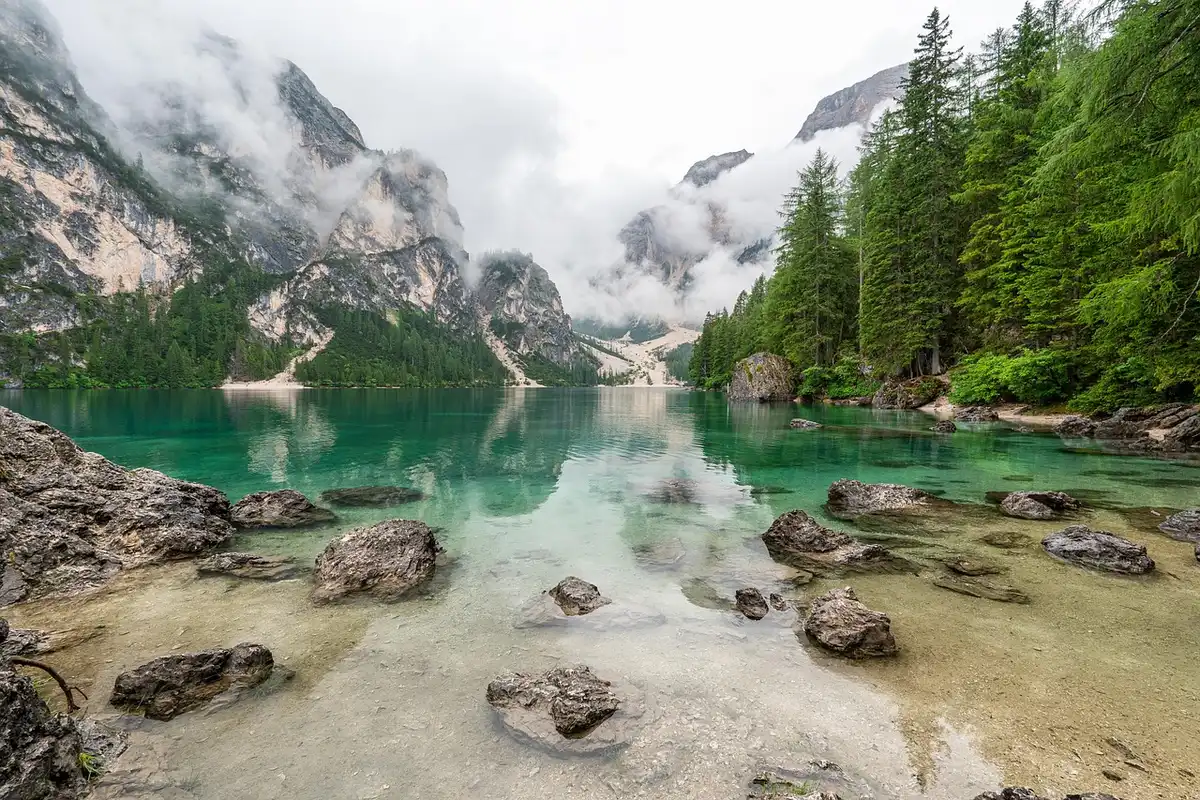
Temperatures climbed into the mid-20s for several days, an unexpected warmth that contrasted with the usual image of Arctic chill. I found myself hiking at unconventional hours, sometimes reaching summits near midnight to look down on sunlit fjords.
When I wasn’t walking, I swam. The water was cold — shockingly so — but clear enough to watch small fish and crabs moving along the seabed. Kayaking around Skrova offered another quiet miracle: paddling over water so transparent it felt like gliding on glass. A boat trip into Trollfjord put us between soaring cliffs, the scenery closing in as if on cue.
Despite physical tiredness from days of activity, sleep remained stubborn. Even after long excursions I lay awake as sunlight streamed through windows, the usual cue for rest absent.
How continuous daylight changes you
Living under 24 hours of daylight gives a sense of abundant time. You can hike, swim or fish at will. Schedules loosen. Meals occur when you remember them rather than by a routine clock.
That freedom has a flip side. The lack of night erodes the anchors that mark a day. I noticed pockets of restlessness and a gradual blurring of when to stop. Sleep deprivation crept in for many in our group, despite best efforts to enforce normal bedtimes.
When I flew home to Ireland and darkness returned, the reaction was mixed. I welcomed the restoration of routine and deeper sleep. At the same time I missed the luminous, wide-awake world I had left: intense, disorienting and quietly transformative.