
Show summary Hide summary
Wild swimming has surged in popularity across Ireland and the UK, but dipping into lakes, rivers or the sea carries real risks. As more people seek open-water spots near home, local knowledge and careful planning have become essential.
Rising numbers and safety first
Recent research commissioned by the Sport and Recreation Alliance shows the sport is expanding rapidly: more than four million people try open-water swimming each year, and the number of regular adult participants rose from about 266,000 in 2016–17 to 543,000 by 2023–24.
What a Sauna Aufguss Felt Like: a steamy wellness ritual with partial nudity
Top Irish fine-dining venue named at Georgina Campbell Awards 2026
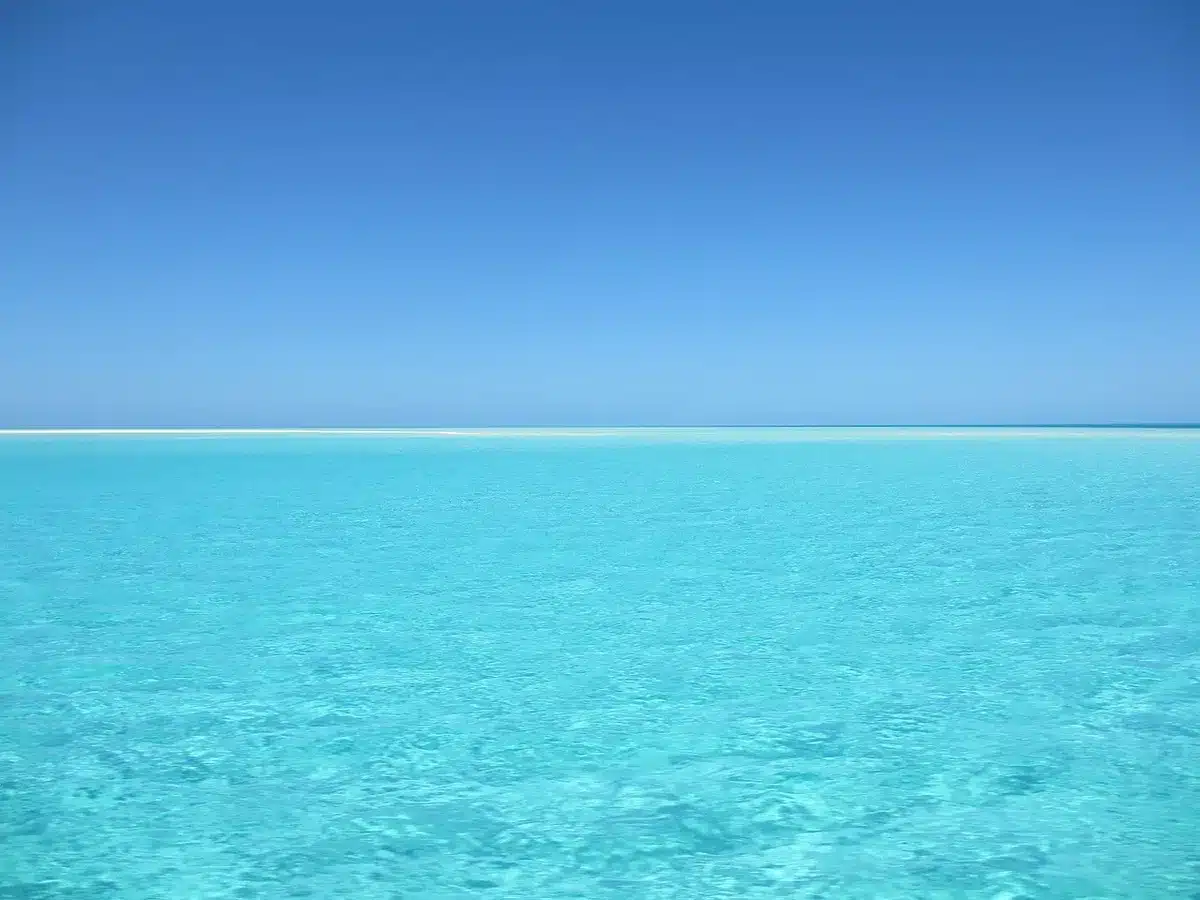
Organisations that promote outdoor swimming say the appeal is a sense of freedom and a close connection with nature. At the same time, experienced swimmers and campaigners stress the need to treat each site with caution. Check access, tides, currents and local rules before you enter, they advise, and never assume a place is safe in every condition.
Pressure on waterways is increasing in some areas. A recent dry spell has reduced river flows and can worsen water quality, meaning visibility or an unpleasant smell should be taken as a warning sign rather than a guarantee of safety.
Where to swim: selected open-water spots
Sandy Cove, North Devon coast
Marathon swimmer Neil Gilson, who set a record across Lake Geneva in 2024, favours this sheltered cove for training. The site sits within a Site of Special Scientific Interest and is framed by cliffs that help block wind and waves around high tide.
Gilson recommends swimming at or near high tide to avoid exposed rocks and to make access easier. Conditions can change quickly, so check the weather, sea state and tide times before you go. Access is via steep stone steps on the western side of Lee Bay, or on foot along the South West Coast Path from Woolacombe or Ilfracombe.
Llyn Padarn, Llanberis, North Wales
This three-kilometre lake lies beneath the peaks of Snowdonia, with Dolbadarn Castle on its shore. Eryri National Park classifies Llyn Padarn as an inland bathing water and monitors it regularly for quality.
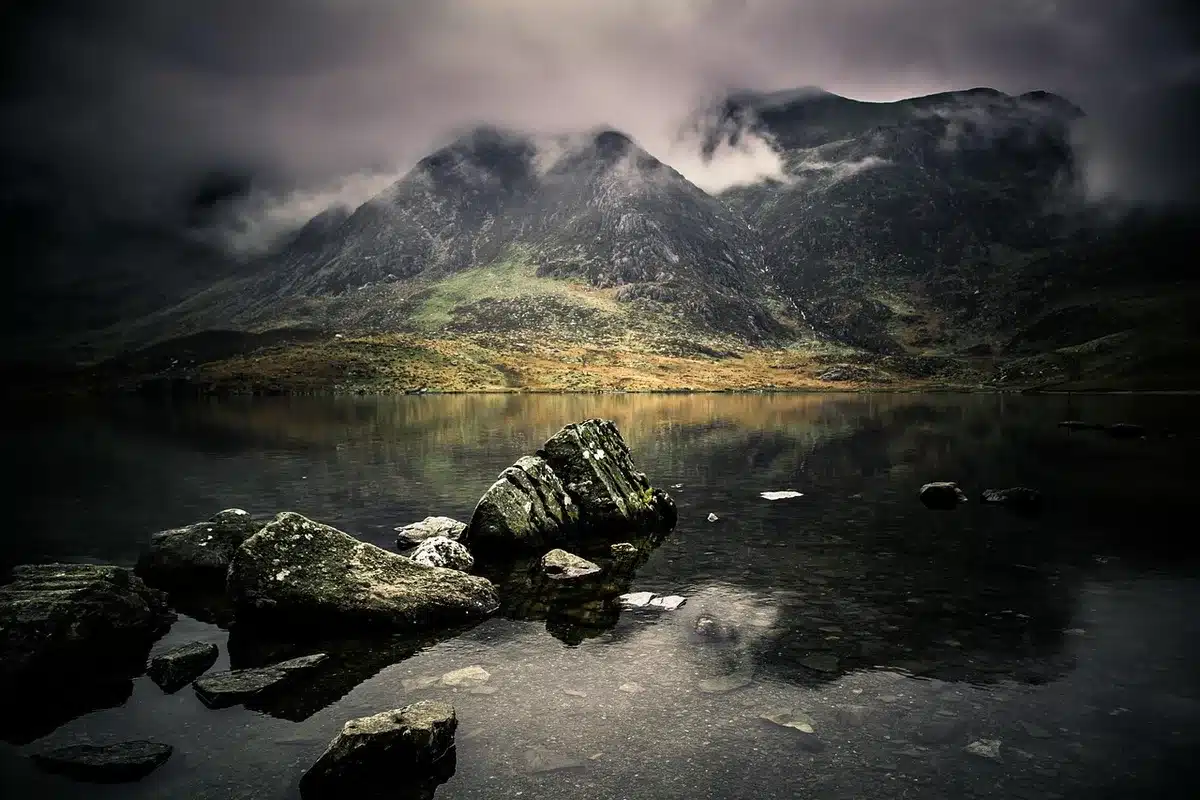
The lake reaches up to 30 metres in depth, and park officials caution swimmers to be aware of sudden drop-offs and sharp slate on the bed. Avoid diving or jumping and check the terrain where you plan to enter. From Bangor, leave the A55 at junction 11 and follow the A4244 and then the A4086 towards Llanberis.
Loughmacrory Lough, County Tyrone
Near the village of Loughmacrory, close to Omagh and the Sperrin mountains, this freshwater lough offers gentle depth gradients and hosts introductory sessions run by Get Wet Stay Safe. The water is not routinely tested for swimming, so organisers advise swimmers to take extra care and rely on local guidance.
Dosthill Quarry, Tamworth
Set on about 10 hectares, Dosthill Quarry provides clearly marked entry and exit points and shelter from strong winds. It operates a booking system and offers wetsuit and tow-float hire, which can help newcomers manage their first open-water experiences.
Transport links are convenient: Wilnecote station is roughly 1.3 miles away, making the site accessible by rail and a short onward journey.
Debdale Outdoor Centre, Gorton (Manchester)
For swimmers preferring supervised sessions, Debdale runs bookable swims in its reservoir for experienced adults, overseen by a qualified safety team. Facilities include changing rooms, showers and lockers, supporting more structured, safety-minded participation. The centre is at 1073 Hyde Road, Gorton, Manchester M18 7LJ.
Lough Lene, County Westmeath
Outdoor Swimming Ireland highlights a designated swimming area at Lough Lene with a boardwalk and ladders leading into clear, sandy-bottom water. Nearby amenities include toilets and a small indoor changing room, which can make day trips more comfortable.
To reach the loch from the M4, take exit 11, follow the R394 toward Castlepollard, pass Crookedwood, then turn right for Collinstown and follow the signs to the lake.
Practical tips before you go
Plan your visit, tell someone where you’ll be swimming and, if you’re new to wild swimming, consider going with a more experienced swimmer or joining a local group. Know the nearest exit points before you enter the water and respect local communities and wildlife.
Above all, treat each place as a living environment rather than a tourist attraction. That mindset helps protect both swimmers and the habitats they enjoy.