
Show summary Hide summary
Prague sheds its party-town stereotype when you look beyond the beer halls. Over two days the city’s layered history, bold architecture and growing cultural scene become unmistakable, and it’s easy to see why visitors keep returning.
Friday — Old Town and first impressions
Bermuda travel: pink-sand beaches, cave spas and fried fish
Glovers Alley reopening timetable — what diners need to know
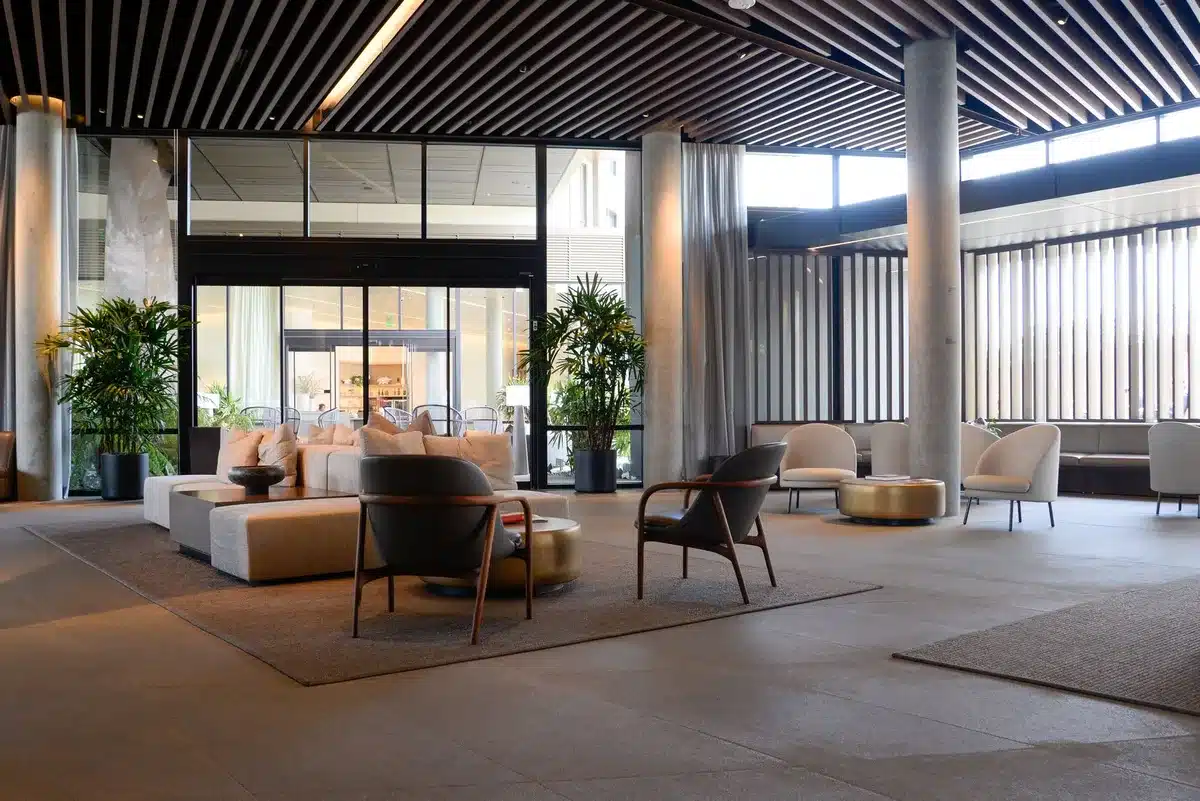
Arrival at the Hotel Paris Prague sets the tone: an ornate Art Nouveau building on the edge of the Old Town that feels deliberately old‑world. Polished wood and period details make it an atmospheric base for a short stay.
Lunch at Červený Jelen — once a bank hall, now a restaurant — highlights the city’s hearty culinary side, with grilled meats and Czech-inspired comfort food on the menu.
Prague is best measured on foot. Narrow streets funnel you into the wide sweep of the Old Town Square, where pastel façades and gothic spires frame the Astronomical Clock. Tourists gather for the hourly mechanical procession; the spectacle is more charming than awe-inspiring.
Under the city and up the tower
An hour-long guided visit to the Old Town Hall is worthwhile largely for what lies below: dim, medieval cellars that reveal streets several metres lower than today’s. The contrast with the open square above is striking.

Climbing the hall tower rewards you with a broad panorama of Prague’s skyline — a dense cluster of church towers that explains the city’s old nickname, the “City of a Hundred Spires.”
Street life, sculptures and riverside dinner
The lanes off the square mix conventional souvenir stalls with curious pockets of the city’s modern culture: neon-lit cannabis shops, absinthe bars and vendors selling chimney cake ice cream dusted in cinnamon.
Despite their visibility, cannabis outlets in Prague do not mirror Amsterdam’s regulated coffee‑shop culture. Possession is largely decriminalised, but licensed cafés and organised tolerance zones of the Dutch model are absent.
Passing Charles University, you can note its long intellectual legacy: the psychiatrist Stanislav Grof, born in Prague in 1931, studied medicine there. Nearby, the kinetic Franz Kafka Head — a sculpture made of rotating mirrored panels — intermittently aligns to form the writer’s face.
As evening falls, the walk across the Charles Bridge is quintessential Prague: baroque statues guard the span and musicians line the route. For dinner, Kampa Park’s riverside tables offer uninterrupted views of the bridge lit against the Vltava.
Saturday — Castle district and modern contrasts
A rattly red-and-cream tram climbs from the river toward Prague Castle, a vast complex originating in the ninth century. Arrive early or late to avoid the busiest periods.

Inside the precinct, St. Vitus Cathedral dominates with gothic tracery, royal tombs and striking stained glass. Golden Lane’s tiny, colourful houses recall a different, more domestic slice of history — once the homes of artisans, now small exhibits and shops.
Other historic sites include the Old Royal Palace and St. George’s Basilica, whose origins date to around 920 AD, making it one of the city’s oldest standing buildings.
When tradition meets the present
Even in this historic setting, contemporary intrusions are visible. A Starbucks tucked into the castle complex felt incongruous; reports say two years of negotiation went into the final, restrained signage. For many visitors, a local café would feel more in keeping with the surroundings.
Close by, Kunsthalle Praha repurposes a 1930s electrical station into a calm, modern gallery. Its rotating programme focuses on contemporary work, often by Czech artists. The current show, All Things Digesting by Denisa Pohlava, confronts the physical realities of the body in an immersive, occasionally unsettling way.
Jewish Quarter and a candlelit finale
A busy Café Savoy suggested Prague’s café culture remains lively, though on this visit it was too crowded for brunch. Instead, a brief snack and a stroll across the bridge brought the Jewish Quarter, Josefov, into view. Tighter security there serves as a sober reminder of the broader geopolitical climate.
The evening closed at U Modré Kachničky, a restaurant set inside a historic building, reached through a series of small, candlelit rooms. With a piano player nearby, the atmosphere felt intimate and homely. The meal — notably a roasted duck with apricot — provided a rich, satisfying end to a short stay.
Follow Deirdre Mullins on Instagram @deirdremullins