Show summary Hide summary
Bermuda is pitching itself as a wellness destination, pairing secluded spas and coastal nature with local food traditions and gentle winter weather. I visited to test the island’s wellness offerings as a guest of the Bermuda Tourism Authority.
A spa carved into limestone
Bermuda travel: pink-sand beaches, cave spas and fried fish
Glovers Alley reopening timetable — what diners need to know
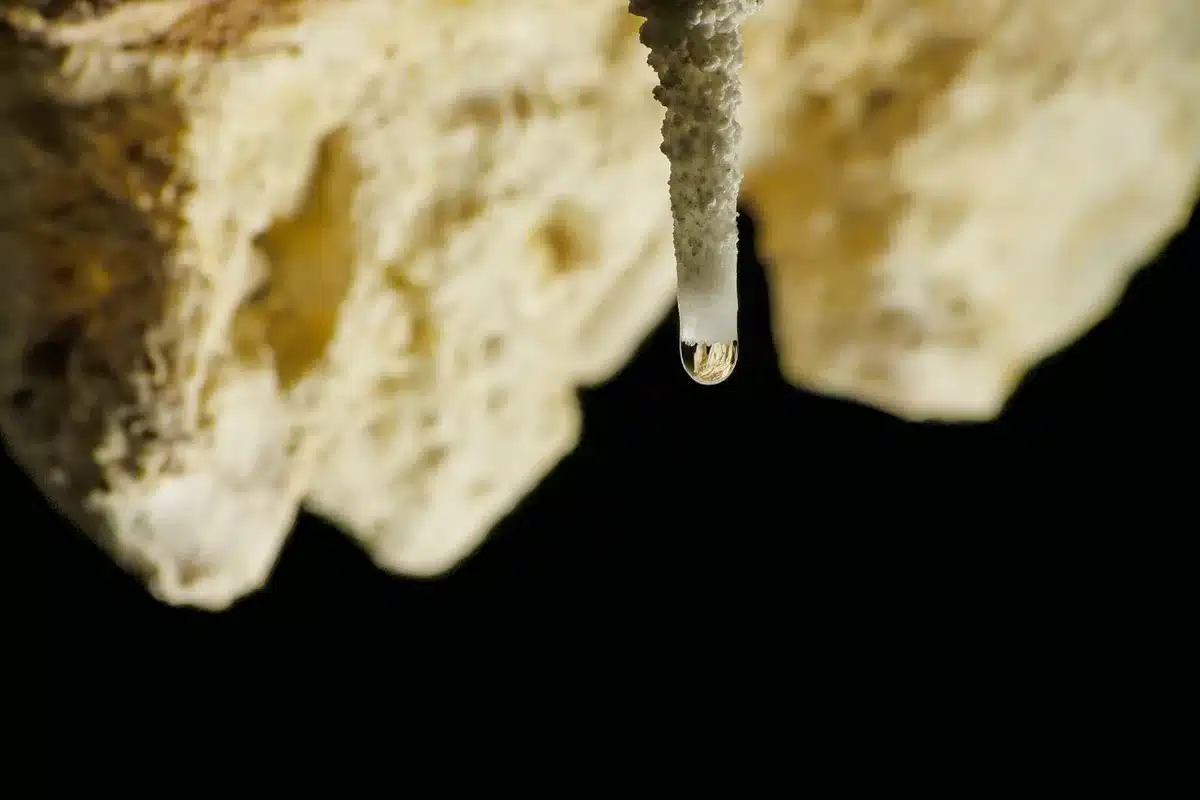
One of the island’s most unusual treatments takes place beneath the surface. In Prospero’s Cave, I lay face-down in a floating cabana above a clear underground lake while an aromatherapy massage unfolded beneath a ceiling studded with stalactites.
The cave’s quiet is punctuated only by slow droplets falling from the roof — mineral-rich water that echoes through the chamber — and the setting feels intentionally removed from the rush of everyday life. The neighbouring Cathedral Cave also invites swimmers; its cool waters reach about nine metres deep, a stark contrast to the island’s warm air.
The grottoes lie under Grotto Bay Beach Resort & Spa. The resort’s Natura Spa is built inside the cave and offers just three overwater cabanas, a deliberately exclusive move that the resort says makes it one of the few places worldwide to provide this kind of subterranean treatment. The caverns are part of Bermuda’s early colonial history; Prospero’s Cave is believed to have been spotted by Sir George Somers after his 1609 shipwreck.
Pink sand, Atlantic views and hotel comfort
On land, Bermuda’s postcard image — pink-sand beaches and turquoise sea — holds up. The characteristic hue comes from tiny red or pink-shelled foraminifera mixed with white sand and coral fragments, colouring shorelines such as the well-known Horseshoe Bay.
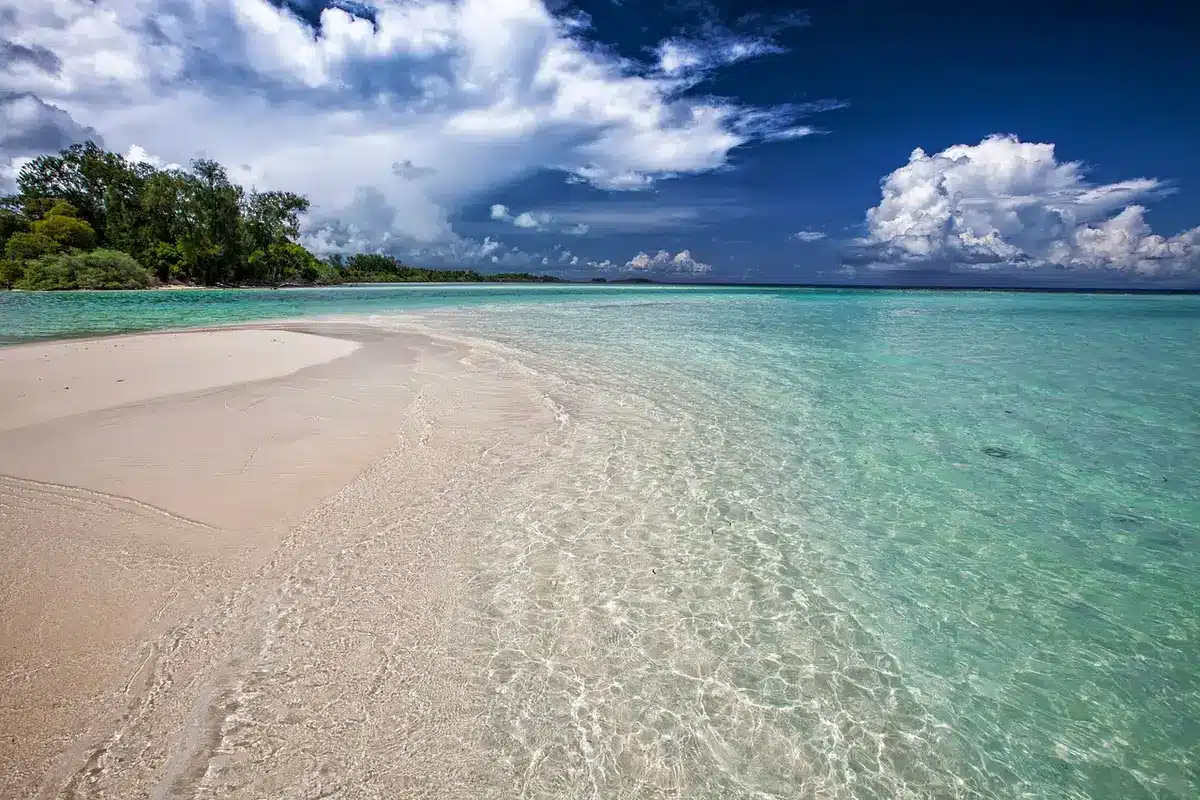
I stayed at the five-star Rosewood Bermuda on Tucker’s Point in Hamilton Parish, which fronts the island’s largest private pink-sand beach. My room opened on a private balcony, looking straight out over the North Atlantic. The property stretches across about 240 acres and includes a spa, five pools, three restaurants and two bars — plenty of space to unwind.
Walking through Hamilton, the capital on Main Island, is equally restorative. Pastel buildings line the waterfront, street art brightens backstreets and cafés feel neighbourly. January temperatures typically sit between 16°C and 20°C, a mild winter break compared with colder climates a few hours’ flight away.
Local flavours and island classics
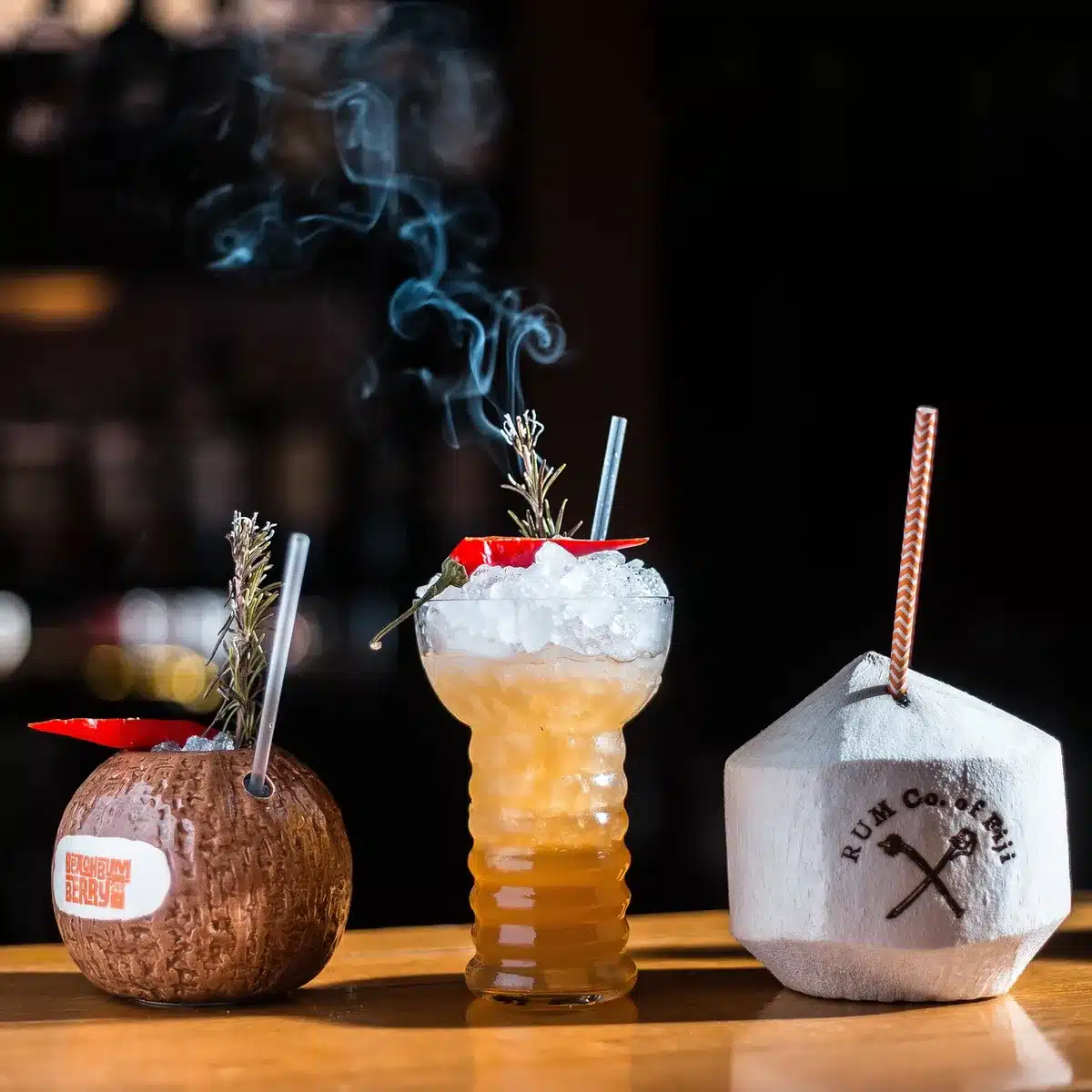
Food and drink nod to Bermuda’s heritage. A local insisted I try a Dark ’n’ Stormy made with Gosling’s Black Seal rum and ginger beer, and the island’s simple but iconic fish sandwich — fried white fish on toasted raisin bread. Both are part of the island’s culinary identity and easy to find across hotels and neighbourhood restaurants.
Wellness beyond the spa
Wellness here is not confined to treatments. The Hamilton Princess & Beach Club — nicknamed the “Pink Palace” — offers fitness classes such as barre and houses an unexpected art collection that includes works by Andy Warhol and Damien Hirst. The hotel markets itself as Bermuda’s only luxury urban resort, blending culture and fitness.
But grassroots initiatives are also shaping the island’s wellness profile. Jessica Burns, a Bermudian who left a corporate career in London after her mother Kim died from ovarian cancer in 2023, converted the beach-facing property her mother had rented to tourists into The Retreat House. The site, which Burns describes as “a sanctuary for connecting more deeply with yourself, others and the natural world of Bermuda”, has run a programme of retreats since 2024. Her stated aim is to help position Bermuda as “one of the world’s leading wellness destinations.”
Foraging, food as medicine
On Cooper’s Island Nature Reserve I joined a foraging walk led by vegan chef Doreen Williams-James. She pointed out edible and medicinal plants — Old Spice, fennel, wood sorrel, hibiscus and notably scurvy grass — and explained how these coastal species shaped local diets.
“I grew up eating scurvy grass,” she told me. “My father would take me out at this time of year to pick it — it only grows once a year. When sailors first arrived on the island, their diet was low in vitamin C and scurvy was a real problem. They discovered that eating this plant cured the disease.”
Williams-James also emphasised the benefits of seasonal eating. She said there are many plants available in winter that are high in vitamin C, and that older generations relied on foraging as a routine part of life. Now, she’s seeing younger people join her tours to learn about local ingredients and healthier eating habits.
Why it matters
Between a massage in an ancient cave, guided foraging on a nature reserve and time on uncrowded beaches, Bermuda presents a mix of experiences aimed at physical and mental restoration. For travellers seeking low-key, nature-led wellness with a strong sense of place, the island offers a distinctive proposition.
Always drink responsibly.
Lynn Rusk travelled as a guest of the Bermuda Tourism Authority.