
Show summary Hide summary
A support act’s on-stage comment has pulled Ed Sheeran into a dispute now affecting his US tour and his relationship with several Irish musicians. What began as a short statement from the stage has widened into a public controversy with cultural and commercial consequences.
How the incident unfolded
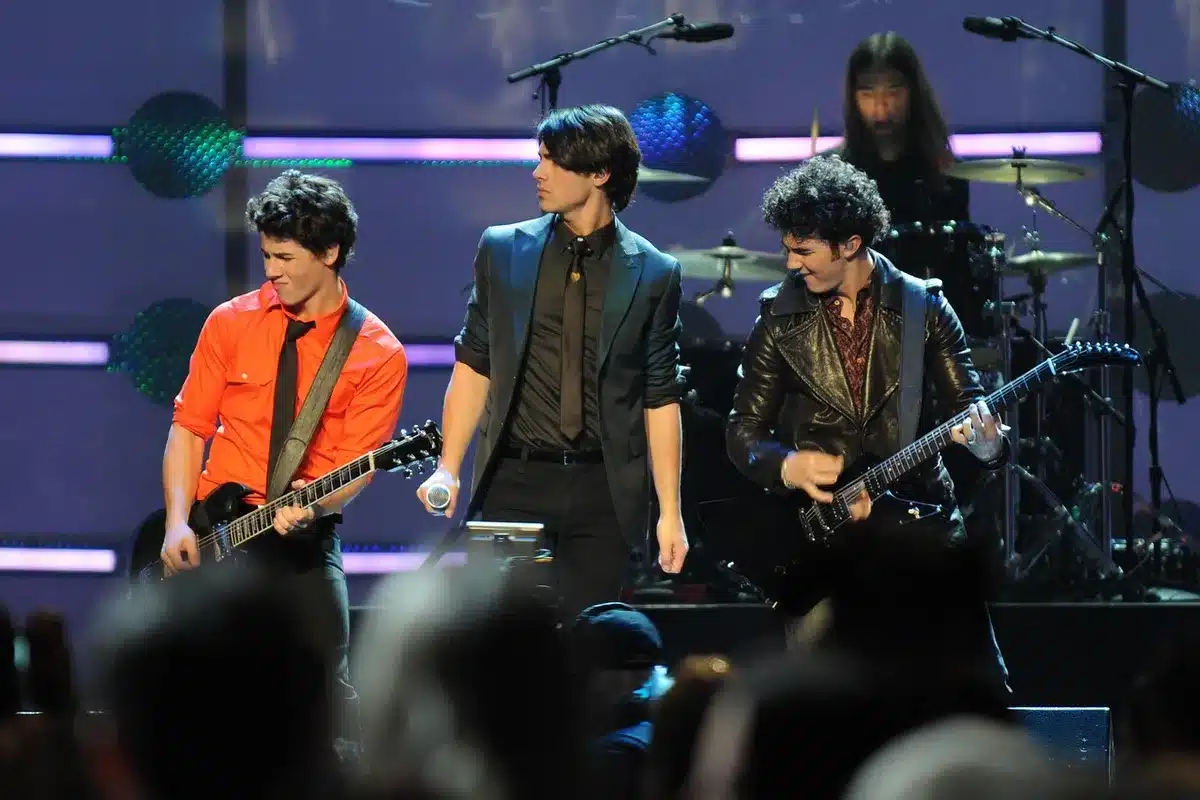
Rolling Stone reported that during a US concert Ed Sheeran’s support act, Macklemore, shouted “Free Palestine.” Video of the moment circulated online, and soon after the rapper was removed from the tour.
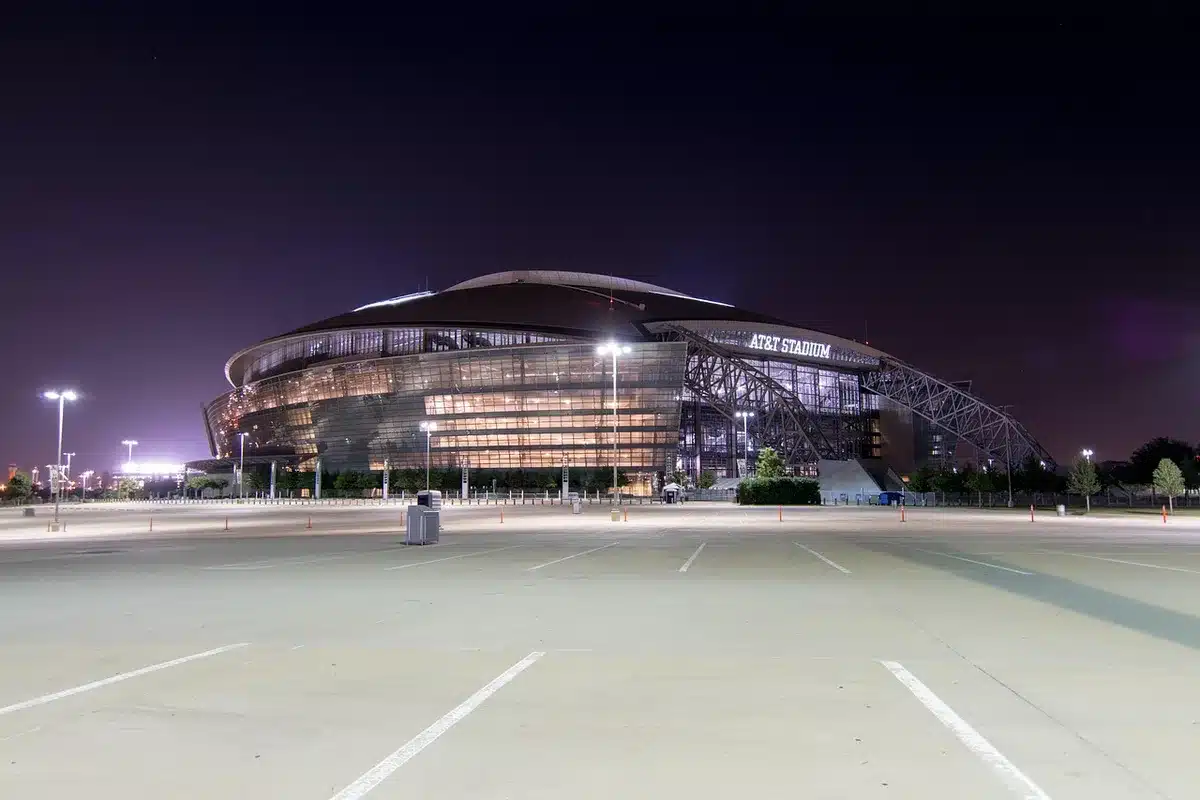
Media accounts said the decision followed pressure from a group of stadium owners and associates. Those reports say the owners, described as billionaires, told Sheeran’s team they were offended on religious grounds and urged that the support act be dropped or the tour cancelled.
State spent thousands on influencers to urge women to buy fewer clothes, records show
In pictures: Fans pack cinema for Practical Magic 2 debut in Ireland
Irish artists withdraw
Shortly after Macklemore’s exit, several acts with ties to Ireland pulled out of the remaining dates. Young musician Aaron Rowe announced he would leave the tour, saying he could not remain for moral reasons and referencing Irish history and ideas of oppression.

Folk group Beoga, along with Lukas Graham and producer Finneas, also stepped away. Those departures mark a rapid unraveling of a touring lineup that had included a number of artists connected to Ireland.
Sheeran’s longstanding ties to Ireland
Sheeran has long emphasised his Irish links and repeatedly supported Irish acts. He brought Beoga on tour and into the studio, promoted rising names such as Aaron Rowe, and gave opportunities to groups like Biird. He has been a frequent visitor to Irish shows and drawn large audiences here.
Earlier coverage noted a personal moment when Sheeran fulfilled a promise to fly a fan, Amy, and her family to a UK gig. That episode helped solidify his warm reception among Irish fans.
Why the story resonates in Ireland
Opinion in Ireland has tended to be sympathetic to the Palestinian cause, and recent events in Gaza have intensified public feeling. Younger people, in particular, have been vocal in expressing solidarity, observers say. That context helps explain why the departures of Irish-linked acts have attracted strong attention at home.
The reaction to Sheeran’s handling of the situation has not been uniformly positive. Reports indicate his response prompted criticism from some quarters, raising questions about how he should proceed.
The choices ahead
Sheeran now faces a series of difficult decisions with cultural and financial implications. Will the controversy fade, or will it reshape the remainder of the tour? Can he reconcile conflicting pressures from fans, collaborators and commercial partners?
Those are immediate questions for him and his team. The outcomes will affect his relationships with artists who have toured with him and with segments of his fan base in Ireland and abroad.